電熱護肩 vs. 電熱披肩 vs. 肩頸熱敷墊:你該選哪一種熱敷形式?
⭐ 如果你曾經買到「熱了但不在你要的位置」,就會知道:熱敷形式選錯,比你想像的更影響體感。下面用可核對的比較方式,幫你把三種常見類型拆開看。
先講結論:差異通常在「覆蓋範圍」與「貼合方式」
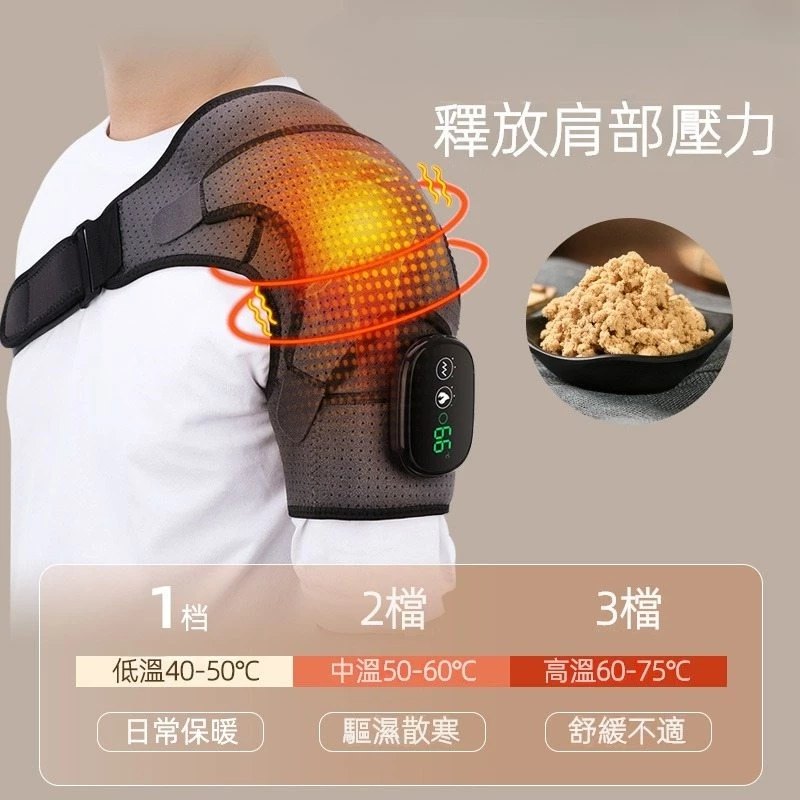
電熱護肩、電熱披肩、肩頸熱敷墊的核心目的相同:讓肩頸區域獲得溫熱支持。但它們的設計路線不同,常見差異如下:
| 類型 | 覆蓋範圍傾向 | 穿戴/使用感 | 較適合的情境 |
|---|---|---|---|
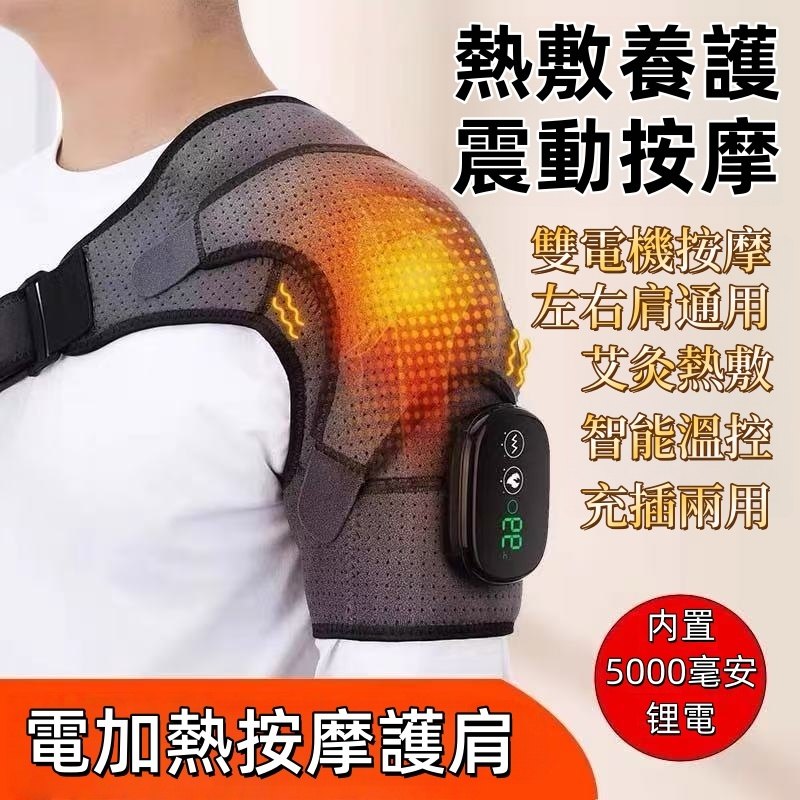
| 電熱護肩 | 偏集中肩部與肩頸交界 | 穿戴較精準,調整位置更直覺 | 你最不舒服在肩上緣或單側緊繃 |
| 電熱披肩 | 可能延伸到上背/更大面積 | 包覆感較強,適合想要更全面的溫熱 | 久坐後整片肩頸緊、想要更包覆的熱感 |
| 肩頸熱敷墊 | 偏局部貼合肩頸區 | 可能更像墊片/帶狀,依設計而定 | 你想把熱敷控制在特定區域、避免過度包覆 |
可以把熱敷想成「把溫度送到目標區」。如果你最緊的位置在肩頸交界,但產品主要熱在上背或太偏外側,體感就會變得不明顯。相反地,覆蓋範圍對上你的不適點,熱感通常更容易被你察覺。
有研究與臨床經驗常提到熱療的舒緩感與局部溫度相關;在日常選擇上,最實際的做法就是先對準「你最在意的那一塊」。
怎麼選:用三個問題快速定位
- 你的不舒服是「單點」還是「一整片」?單點更偏向護肩/墊片;一整片更偏向披肩。
- 你希望熱感「集中」還是「包覆」?集中就選更精準的形式;包覆就選披肩。
- 你使用時會不會需要活動?如果你想在家邊做事邊用,通常更在意穿戴穩定度與操作便利性。
FAQ:比較型常見疑問
Q1:我該先買哪一種比較不容易踩雷?
若你不確定自己最緊的位置,先從「覆蓋範圍更容易涵蓋肩頸」的形式切入通常更直覺;但最終仍取決於你不舒服的位置與貼合感。
Q2:電熱護肩和肩頸熱敷墊差很多嗎?
差異多半在設計形態:護肩更像穿戴式集中熱感;熱敷墊可能更偏局部貼合。你可以用「熱敷目標區」來判斷哪個更對位。
Q3:我需要按摩功能嗎?
目前資料未提供按摩模式與強度細節。若你主要目標是溫熱舒緩,熱敷覆蓋與貼合通常更關鍵;若你想要額外的按摩體感,再看產品是否有相應設計。
如果你正在猶豫,下一步可以怎麼做?
你可以把自己最常不舒服的位置畫在身上(例如肩上緣或側頸),再對照電熱護肩/電熱披肩/肩頸熱敷墊的覆蓋示意與穿戴方式。若你有類似需求,也可以進一步看看這類商品的設計差異與使用描述,通常更容易找到合適的那一種。
📊 為什麼這類設計越來越常見
近年不少產品都朝向「降低變數」的方向設計,也就是讓使用者在不同環境下都能得到接近的結果。這也是為什麼某些功能會逐漸變成標準配置,而不是額外選項。
English Version
Electric Shoulder Wrap vs. Heating Shawl vs. Shoulder-Neck Heating Pad: Which Form Fits You?
Heat therapy can feel very different depending on the product form. This comparison focuses on coverage area, fit/comfort, and everyday scenarios to help you choose between an electric shoulder wrap, a heating shawl, and a shoulder-neck heating pad—without relying on guesswork.
The key difference: coverage area and how it conforms
All three aim to provide warmth to the shoulder-neck region, but their designs differ. A shoulder wrap tends to be more focused, a heating shawl often offers broader coverage, and a heating pad usually targets a specific area depending on its shape.
Why coverage affects whether you “feel it”
Heat therapy is about delivering warmth to the target area. If your tightest spot is at the shoulder-neck junction but the product mainly warms elsewhere, the effect may feel subtle. Matching coverage to your discomfort area usually improves the perceived comfort.
A quick decision method: three questions
Ask whether your discomfort is a single point or a whole area, whether you prefer concentrated heat or full wrap comfort, and whether you need to move while using it.
FAQ: common comparison questions
If you’re unsure where you’re tightest, choosing a form that commonly covers the shoulder-neck region may be easier. For massage features, check the product details since specific modes and strengths are not provided here.