English Version
How to Keep Ingredients Fresher Longer: VS2150 Vacuum Sealer in Real Kitchen Scenarios
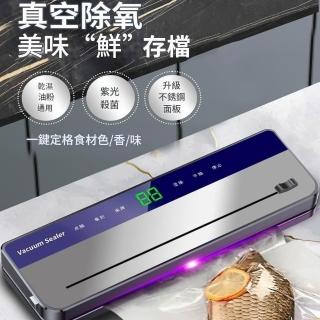
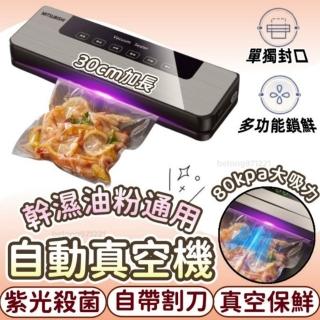
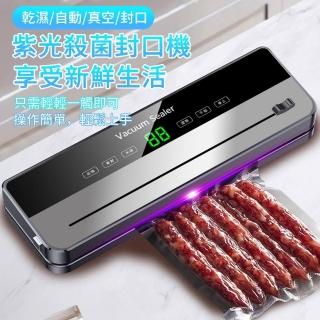
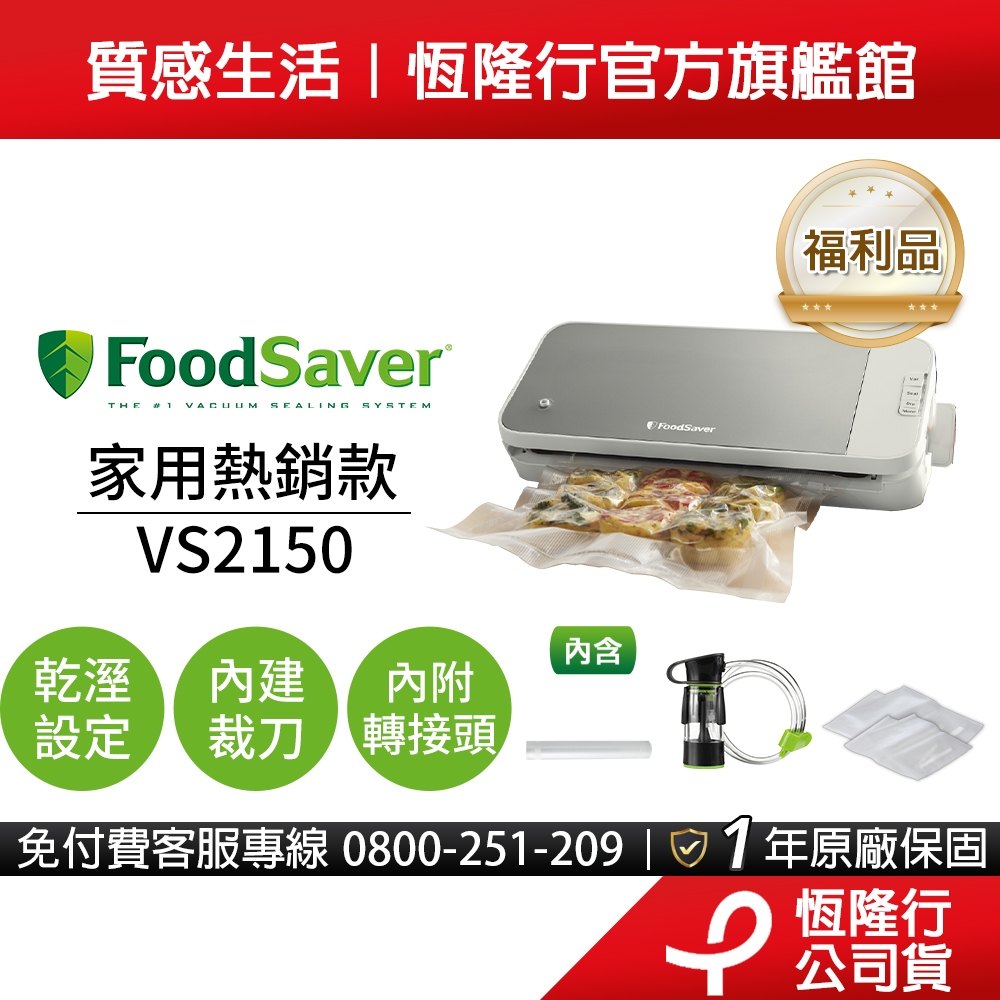
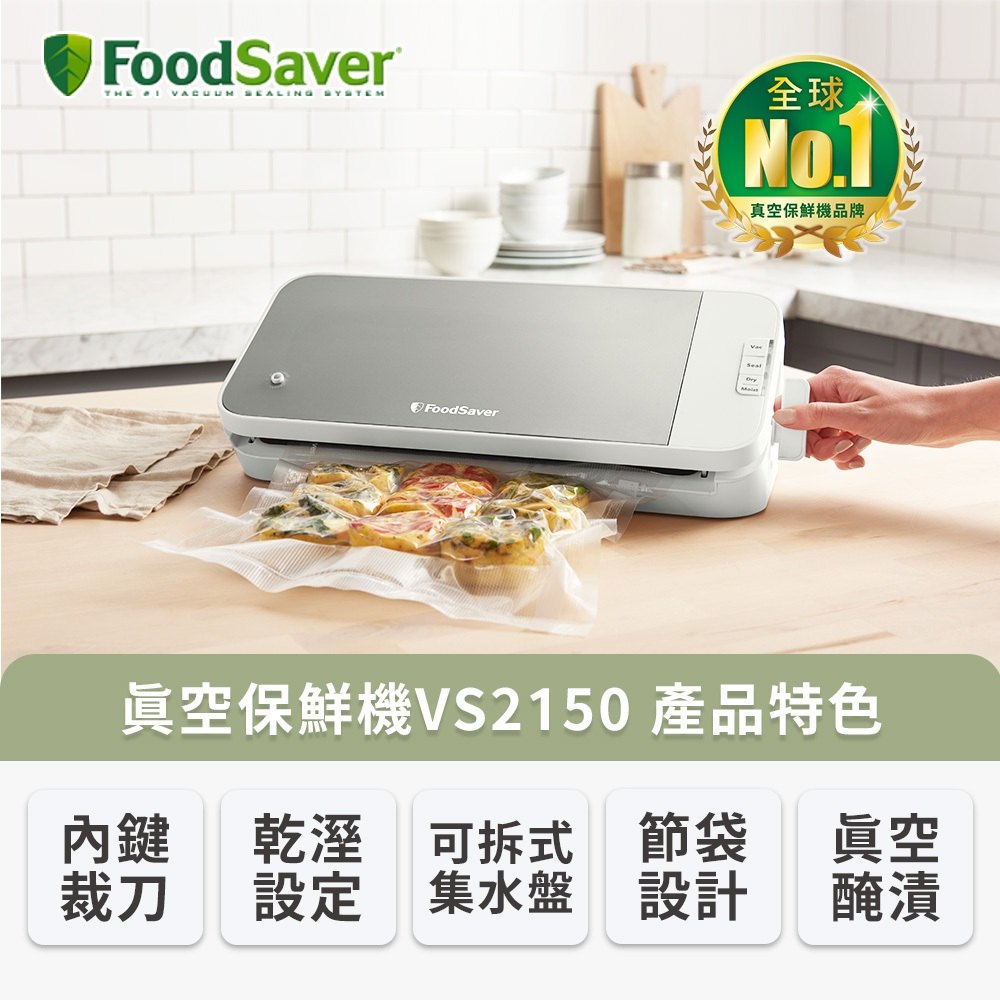
From meal prep to freezer portioning, the FoodSaver VS2150 helps reduce oxidation and flavor loss through vacuum packaging. This guide walks you through when to use vacuum sealing, what results to expect, and how it fits everyday routines.
Why vacuum sealing matters in daily life
Vacuum sealing is not magic—it reduces oxygen exposure and helps slow down quality deterioration. When you store food in a lower-air environment, you typically get more consistent flavor and better freezer organization.
Best scenarios for the FoodSaver VS2150
Meal prep portioning, freezer stacking, and dry pantry items like nuts or flour are common wins. Vacuum packaging can also help reduce cross-odor transfer in the fridge.
Quick comparison: vacuum vs. regular storage
Regular storage is convenient but can lead to oxidation, freezer burn, and flavor drift over time. Vacuum sealing is a practical upgrade when you want more stable results—especially for portioned freezing and dry goods.
FAQ & next step
Vacuum sealing slows deterioration but still requires proper refrigeration/freezing. Start with portioning meats, seafood, and dry goods, then refine your technique for higher-moisture items.