常溫調理包踩雷點怎麼救:太鹹、太淡、分離、變乾的檢查流程 💡
你可能遇過:明明同一款常溫調理包,這次吃起來卻不太對。別急著怪自己。多數狀況其實可以追到三個環節:加熱是否均勻、拌入主食的時機、以及濃度是否有被你調整。下面給你一套回家就能用的排查法。
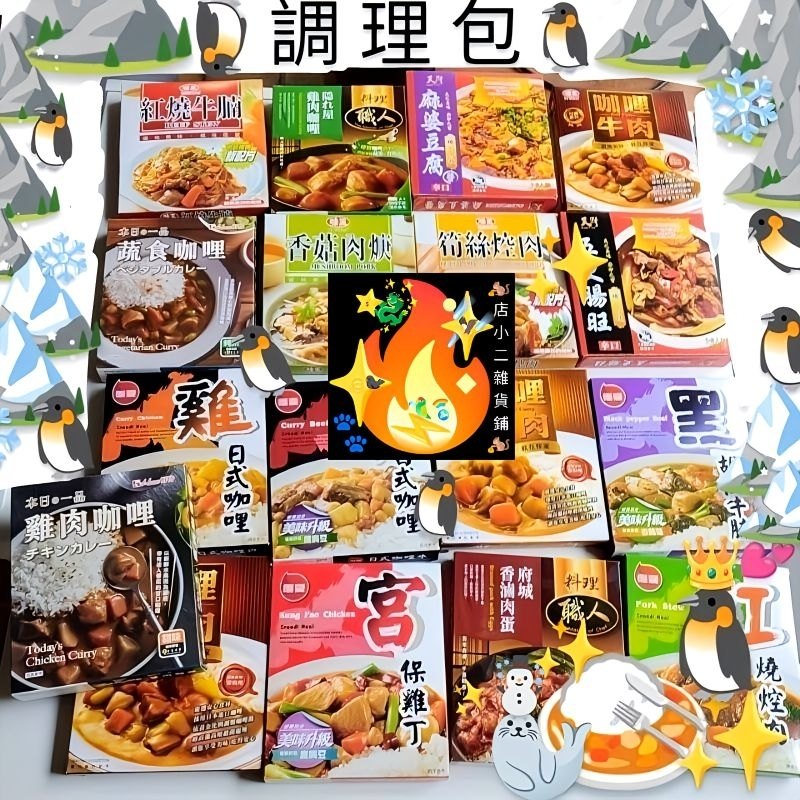
:先看醬料是否均勻,再決定要不要調整濃度。
第一步:先判斷你遇到的是哪一種失敗
| 你覺得不對勁的地方 | 最常見原因(對應環節) | 你可以怎麼修正 |
|---|---|---|
| 太鹹 | 濃度偏高、或拌入時水分不足 | 用少量熱水分次調整,邊攪邊觀察;拌飯時也可分次拌入。 |
| 太淡 | 加熱不足或拌入太快導致味道分散 | 依包裝加熱到均勻狀態;拌入主食前先讓醬料熱度到位。 |
| 醬料分離 | 加熱不均或攪拌不足 | 加熱過程中攪拌一次或分段加熱;讓醬料回到均勻狀態再拌。 |
| 變乾、口感粗 | 加熱過久導致水分流失 | 改成小火回溫並攪拌;必要時用少量熱水恢復濃度。 |
💡 原理說明:為什麼會分離或變乾?
醬料分離通常跟「加熱是否均勻」有關。當局部溫度不足,油脂與固形物就可能看起來分開。變乾則多半是水分蒸發太多:加熱越久,醬料越濃、越容易失去原本的滑順感。你可以把它想成煮醬:火太大或時間太久,就會越來越厚、越來越乾。
:分段加熱+攪拌,通常能降低分離與口感變粗的機率。
帶有依據感的檢查流程:3步驟快速定位
- 先看醬料狀態:加熱後是否均勻?有沒有明顯分層?
- 再看拌入時機:你是醬料快好就立刻拌,還是先讓它熱度到位?
- 最後看濃度走向:太鹹/太淡通常都能用少量熱水分次修正,避免一次加太多。
針對常見口味的快速救法
- 咖哩太稠或太乾:用少量熱水分次回調,並攪拌到均勻。
- 麻婆太淡:確認是否有依包裝加熱到位;拌飯前先讓醬料熱度均勻。
- 拌飯太鹹:分次拌入、先拌少量確認濃度,再決定是否需要稀釋。
常見問題(FAQ)
Q1:我已經加熱完了,還能補救嗎?
可以。多數狀況用「小火回溫+少量熱水分次調整」就能改善濃度與口感。重點是邊攪拌邊觀察。
Q2:分離是壞掉嗎?
不一定。常見原因是加熱不均或攪拌不足。若你依包裝加熱並讓醬料回到均勻狀態,通常就能恢復口感。
Q3:植物肉或其他口味也適用這套排查嗎?
適用。失敗原因多半仍落在加熱均勻度、拌入時機與濃度調整。你可以先用這三步驟定位,再針對口味做微調。
下一步:把失敗變成你的選購與操作筆記
如果你有類似「常溫調理包偶爾不穩」的困擾,可以先用這套檢查流程記下是哪一步出問題;接著再進一步查看你手上調理包的加熱方式與醬料描述,選擇更符合你操作習慣的款式。✅
📌 為什麼這類產品會有效?
一般來說,這類產品的設計原理是透過改善日常使用過程中的某些關鍵因素,例如減少空氣接觸、降低水分流失或優化使用流程。簡單來說,就是讓原本容易被忽略的小細節變得可控。
English Version
Fix Common Shelf-Stable Meal Kit Problems: Too Salty, Too Bland, Separation, Dry Texture
Shelf-stable meal kits can be inconsistent—too salty, too bland, sauce separation, or dry texture. This article provides a practical troubleshooting flow focused on three stages: heating, mixing timing, and sauce thickness, so you can identify the cause and adjust at home.
Identify the failure type first
Start by matching what you taste to the most likely cause. Too salty often means the sauce is too concentrated. Too bland can come from under-heating or mixing too early. Separation usually points to uneven heating or insufficient stirring. Dry texture often comes from over-heating and water loss.
Simple principle: separation and dryness explained
Separation is commonly linked to uneven heating—oil and solids may separate when some parts don’t reach the right temperature. Dryness usually happens when water evaporates too much during heating. Think of it like simmering sauce: too much heat or too long time makes it thicker and less smooth.
A 3-step troubleshooting flow
1) Check the sauce state after heating: is it uniform or visibly layered? 2) Review mixing timing: did you mix before the sauce was evenly hot? 3) Adjust thickness carefully: if it’s too salty or too bland, use small amounts of hot water in stages and observe.
FAQ
Can you fix it after heating? Usually yes—use gentle re-warming and small amounts of hot water while stirring. Is separation always spoilage? Not necessarily; it’s often a heating/stirring issue. Do these steps apply to plant-based or other styles? Yes—the same three-stage logic applies.