把常溫調理包變成一餐:咖哩、麻婆豆腐、拌飯的生活解法 📌
週一晚上你可能也遇過:冰箱有食材,但要洗、要切、要想怎麼搭;最後只剩「隨便吃點」的疲憊。這時候,常溫調理包的好處不是取代料理,而是把決策成本降到最低——你只要決定口味,剩下交給調理包的調味與步驟。
情境一:想吃咖哩但不想熬
把常溫咖哩調理包加熱後,直接拌進白飯或拌麵;如果你家常備冷凍蔬菜,還能在加熱時一起處理,口感更有層次。
情境二:想要麻婆豆腐的下飯感
麻婆豆腐調理包通常有明確的醬料結構。你可以用熱飯或熱拌飯方式快速完成,避免「醬料不夠、味道散掉」的尷尬。
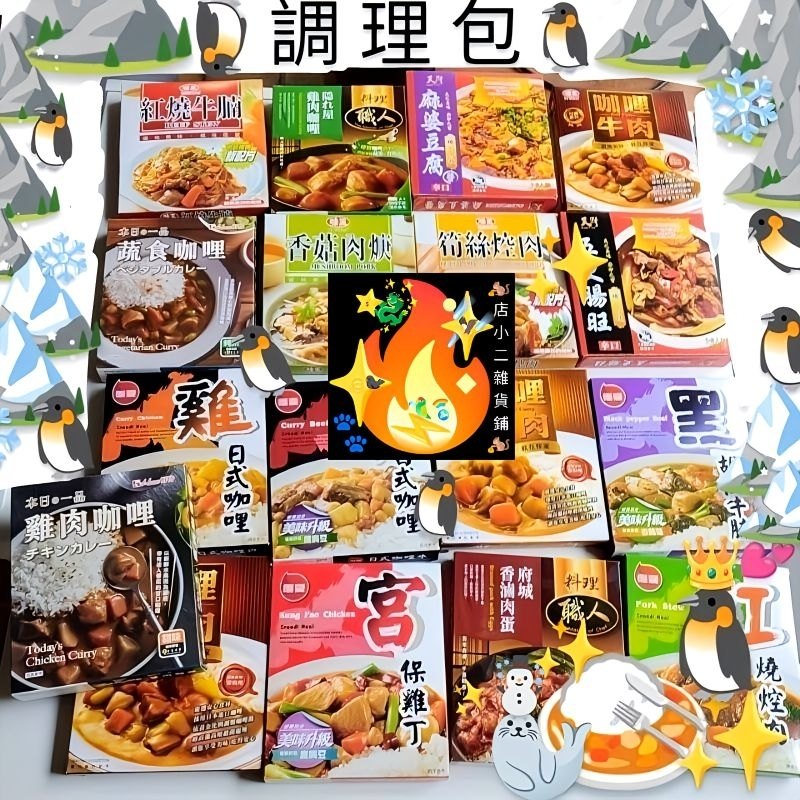
:把常溫調理包當作「主味道」,搭配白飯或拌飯完成一餐。
✅ 選常溫調理包,先看這幾個「可核對」要點
| 你在意的點 | 怎麼用包裝資訊判斷 | 為什麼重要 |
|---|---|---|
| 口味方向 | 咖哩、麻婆豆腐、拌飯、植物肉、摩斯等 | 先選「你今天想要的味道」,再決定配菜,流程更順。 |
| 加熱方式 | 依包裝建議(鍋煮/微波/隔水等) | 同樣是常溫調理包,不同加熱方式會影響口感與醬汁濃度。 |
| 醬料濃稠度 | 看描述是否偏「濃醬/拌醬/湯汁」 | 濃醬更適合拌飯;偏湯汁更適合搭麵或加水延伸。 |
| 搭配彈性 | 是否適合拌飯、拌麵、或搭配蔬菜 | 你不需要每次都煮複雜配菜,能用現成食材補足就好。 |
💡 原理小白版:常溫調理包為什麼能省時間?
簡單說,常溫調理包把「調味、熟成、醬料結構」先完成。你回家只需要把它加熱到適合入口的溫度。可以想像成:它先把味道做成一個「可加熱的底座」,你再用白飯、拌飯或麵條把整餐組裝起來。這也是為什麼同一包咖哩,換成不同主食(飯/麵)也能快速變化。

:用現成蔬菜或蛋,讓調理包從「快」變成「更像自己煮」。
⭐ 生活中最常用的搭配方式(不需要廚藝)
- 咖哩:白飯 + 冷凍蔬菜(加熱同時處理)
- 麻婆豆腐:熱飯 +(可選)水煮蛋或豆腐加量,讓口感更飽滿
- 拌飯/拌醬:直接拌飯,或先拌少量再依喜好調整濃度
- 植物肉/摩斯類型:搭配生菜或簡單配菜,口感更清爽
常見問題(FAQ)
Q1:常溫調理包是不是每次都一樣好吃?
不完全。口感會受加熱方式與拌入主食的時間影響。建議依包裝建議加熱,拌飯時先拌再確認濃度,通常更穩。
Q2:我想吃得更有飽足感,怎麼補?
你可以用「蛋、豆腐、冷凍蔬菜」這類不需要繁複處理的食材補足。調理包負責主味道,你負責增加口感與份量。
Q3:如果我不確定要選咖哩還是麻婆豆腐?
可以用當天需求決定:想要溫和包覆、好拌飯就選咖哩;想要下飯、醬香明顯就選麻婆豆腐。你也可以把兩種口味輪替,避免膩。
把選擇變簡單:下一步怎麼做
如果你有類似「下班想省時間、又不想吃得太隨便」的需求,可以再看看你常吃的口味(咖哩、麻婆豆腐、拌飯等)在常溫調理包中的規格與加熱方式,挑到更符合你日常節奏的那一款。📦
📌 為什麼這類產品會有效?
一般來說,這類產品的設計原理是透過改善日常使用過程中的某些關鍵因素,例如減少空氣接觸、降低水分流失或優化使用流程。簡單來說,就是讓原本容易被忽略的小細節變得可控。
English Version
How to Choose Shelf-Stable Meal Kits: Curry, Mapo Tofu, and Bibimbap for Real-Life Dinners
When you want dinner fast without planning every step, shelf-stable meal kits help you cut decision time. This guide uses curry, mapo tofu, and bibimbap as examples to show what to check on the package and how to pair them with everyday staples for a satisfying meal.
Start with the flavor you actually want
On busy nights, the hardest part is not cooking—it’s deciding. If you crave curry, choose a curry-style kit and heat it as directed. If you want the bold, rice-friendly taste of mapo tofu, pick a mapo-style kit and serve it over hot rice or as a quick bibimbap base.
What to check before buying (practical and verifiable)
Focus on details you can confirm on the package: the flavor direction (curry/mapo/bibimbap), the recommended heating method, whether the sauce is thick or more brothy, and how flexible it is for pairing with rice, noodles, or simple vegetables. These factors affect texture and how well it fits your routine.
Simple principle: why shelf-stable kits save time
In plain terms, shelf-stable meal kits pre-build the seasoning and sauce structure. You only need to heat them to eating temperature, then assemble the meal with rice, noodles, or bibimbap. Think of it as a ready-to-warm “flavor base” that you finish with whatever you already have at home.
FAQ: common questions about shelf-stable meal kits
Q: Are they always the same? Texture can vary with heating and how long you mix with rice. Follow the package heating guidance and adjust thickness when mixing. Q: How to make it more filling? Add easy items like eggs, tofu, or frozen vegetables. Q: Curry or mapo? Curry is usually more mellow and easy to pair; mapo tends to be more bold and rice-friendly.