玻璃電茶壺怎麼保養才不霧?高硼矽玻璃與304不鏽鋼的清潔與使用原理
你有沒有遇過:水煮完明明還是乾淨的,但玻璃內壁就是慢慢變得不那麼透明?📌 這通常不是「玻璃壞了」,而是水垢與礦物沉積、以及日常使用造成的薄膜累積。下面用這款 高硼矽玻璃 與 304食品級不鏽鋼 的快煮壺為例,整理一套你可以直接照做的保養節奏。
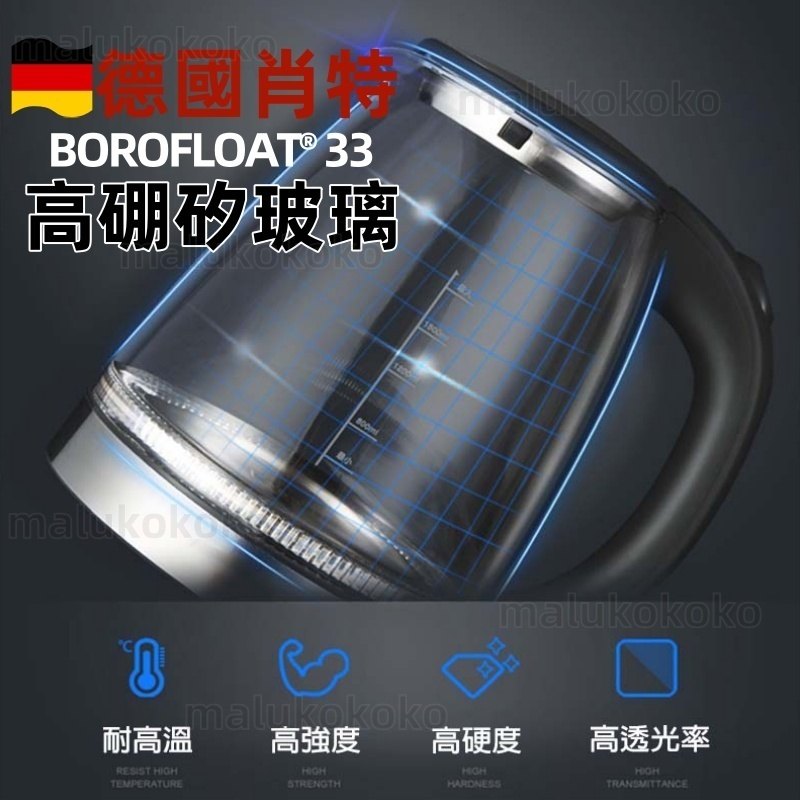
先搞懂:為什麼玻璃會霧?(用生活語言翻譯)
可以把水垢想成「水裡的礦物在加熱後留下來的痕跡」。當水反覆加熱,溶解在水中的礦物質會逐漸沉積在壺內壁,久了就會形成你看得到的薄層。高硼矽玻璃的耐熱性較好,讓日常溫差使用更穩,但它不會讓水垢消失;所以重點是:用對頻率清潔,避免沉積變硬。
日常清潔:每次用完做這三步就夠
- 倒掉後先沖一下:用溫水快速沖過壺內壁,減少殘留礦物。
- 用軟布擦乾:玻璃表面水滴乾掉後更容易留下痕跡,擦乾能降低「霧感」累積。
- 外觀用中性清潔:避免使用會刮傷表面的工具,讓玻璃與金屬外觀維持乾淨。
✅ 這套做法的依據感來自於常見的清潔原理:沉積物越早處理,越不容易變成難清的硬垢。
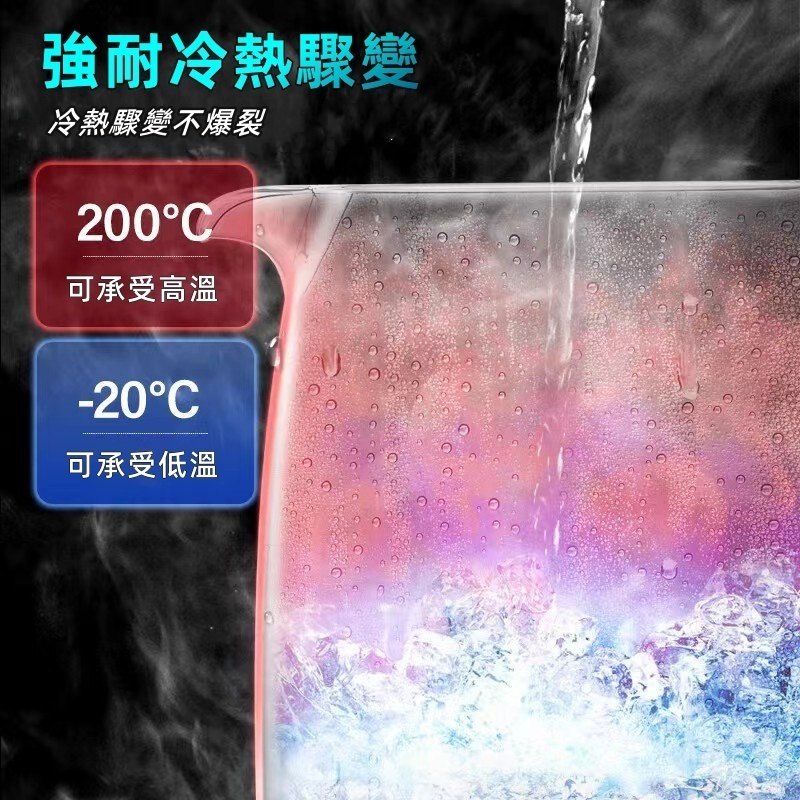
定期除垢:把「變硬」的時間拉長
若你家水質偏硬或煮水頻率高,建議安排定期除垢。由於目前資料未提供具體除垢劑建議與安全比例,這裡提供你一個不踩雷的判斷方式:先看產品說明書對清潔方式的指引,再選擇對應的除垢方法。你可以把除垢想成「定期把薄膜清掉」,而不是等到厚垢才處理。
304不鏽鋼怎麼避免二次髒污?
304食品級不鏽鋼的耐腐蝕性較好,但仍建議你:清潔後確實沖淨並擦乾,避免水滴殘留造成的外觀痕跡。簡單來說,不是材質不耐用,而是你不想讓水滴在表面停留太久。
FAQ:你可能會問的保養細節
Q1:高硼矽玻璃是不是就不用除垢?
不是。高硼矽玻璃主要是耐熱與穩定性更好,但水垢仍會因加熱而沉積。除垢的重點是頻率與方法。
Q2:玻璃霧是水垢還是刮痕?
你可以先用溫水沖洗再擦乾觀察:若擦拭後仍有均勻霧感,可能是薄膜或礦物沉積;若局部有明顯刮痕,則可能是清潔工具造成。
Q3:藍光燒水會影響玻璃嗎?
藍光通常是視覺指示,用於讓你知道加熱狀態。是否影響玻璃,關鍵仍在於材質耐熱與你的使用/清潔方式。
如果你有類似需求,可以再看看什麼?
如果你也在意玻璃透明感,可以進一步對照同類型玻璃電茶壺的材質標示與清潔指引,並把「日常沖洗+定期除垢」當作固定流程。這樣你會更容易維持外觀,也更省力。
💡 原理小知識
許多日常用品其實背後都有基本的運作邏輯,例如透過密封、隔離或結構設計來提升效率。可以想像成把原本分散的影響因素集中管理,因此在實際使用上會更穩定。
English Version
How to Keep a Glass Electric Kettle Clear: Cleaning Logic for Borosilicate Glass & 304 Stainless Steel
The most common glass kettle issue is a cloudy look or stubborn mineral scale. This guide turns material features (borosilicate glass and 304 stainless steel) into practical cleaning steps and a realistic maintenance rhythm—so you spend less effort and keep the kettle looking clear.
Why glass turns cloudy (in everyday terms)
Cloudiness is usually not “broken glass.” It’s often mineral deposits left behind after heating. When water is repeatedly boiled, dissolved minerals gradually settle on the inner wall. Borosilicate glass helps with thermal stability, but it doesn’t prevent scale—so the key is cleaning frequency before deposits become hard.
After-use routine: three simple steps
1) Pour out and quickly rinse with warm water. 2) Wipe dry with a soft cloth to reduce water spots. 3) Clean the exterior with a mild cleaner and avoid abrasive tools that could scratch glass or metal surfaces.
Periodic descaling: delay the “hardening” stage
If you boil water often or your area has harder water, schedule periodic descaling. Since specific descaling ratios and product-safe methods are not provided here, follow the kettle’s official cleaning guidance first, then choose a compatible descaling approach. Think of it as removing a thin film regularly rather than fighting thick scale later.
FAQ: cloudy vs. scratched, and does blue light matter?
If wiping after a warm rinse still leaves an even haze, it’s more likely mineral film. Local visible scratches usually come from cleaning tools. Blue heating light is typically a status indicator and the real factor is material stability plus your cleaning routine.