夾耳式、不入耳與耳骨傳導:三種不一樣的聽感差在哪? ✅
很多人找不入耳替代方案時會卡住:到底是選夾耳式藍牙耳機,還是耳骨傳導藍牙耳機更適合?其實差異不只在「外型」,更在聲音傳遞方式與佩戴體感。下面我用比較表把重點整理起來,讓你能用自己的情境快速對號入座。

快速比較表:你在意的點一次看懂
| 類型 | 佩戴感 | 聲音集中度(直覺) | 運動/通勤適配 |
|---|---|---|---|
| 夾耳式不入耳(耳夾式) | 壓力分散在耳廓/耳夾,通常較不悶 | 依佩戴角度而定,戴好後會更集中 | 適合走路、健走、日常運動,穩定度取決於貼合 |
| 開放式耳機 | 更輕盈、保留環境聲 | 聲音較不封閉,低頻表現通常更看環境 | 通勤與辦公友好,但在嘈雜環境需提高音量 |
| 耳骨傳導 | 主要接觸顳骨區域,體感因人而異 | 聲音感受偏「震動感」,不一定像傳統入耳那樣密封 | 運動時常見,適合需要保留環境聲的人 |

可以把它想成「聲音到達耳朵的路徑不同」。夾耳式通常是利用耳廓附近的聲學引導;耳骨傳導則更偏向透過顳骨的振動讓你感受到聲音。因為路徑不同,所以你會覺得:同一首歌在不同類型耳機上,低頻密度、聲音包圍感與空間感都可能不一樣。
另外,降噪長續航這類功能也會影響體驗,但它們通常是「在既有聲學路徑上做加成」,而不是改變基本傳遞方式。所以選擇時,先決定你想要的聲音路徑,再看功能取向會更順。
帶依據感的選擇邏輯:先對齊你的使用環境
常見經驗是:如果你在室內安靜環境聽得多,開放式或夾耳式都可能很舒服;如果你在戶外或通勤環境噪音較多,降噪與佩戴穩定就更重要。工程上也普遍認為,噪音類型與環境會影響降噪表現,因此把期待值放在「改善」而非「完全消除」會更合理。
- 你是否不喜歡入耳式的悶感,但仍希望聲音相對集中?
- 你是否需要在走動時佩戴穩定,避免一直調整?
- 你是否會在通話或通勤中使用降噪功能,但也能接受環境聲仍存在?
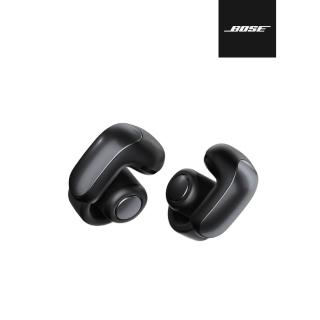
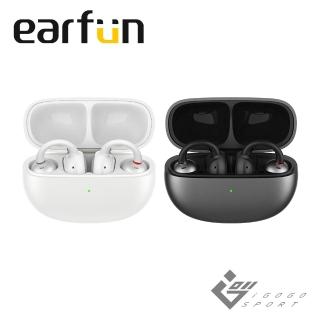
如果你想更精準,看看這類夾耳式不入耳藍牙耳機的規格與評價更有感
你可以把自己最常用的情境(通勤/運動/辦公)列出來,再對照產品描述與使用者回饋,通常能更快找到「戴起來舒服、聲音也符合期待」的那一種。
📊 為什麼這類設計越來越常見
近年不少產品都朝向「降低變數」的方向設計,也就是讓使用者在不同環境下都能得到接近的結果。這也是為什麼某些功能會逐漸變成標準配置,而不是額外選項。
English Version
Ear-Clip vs Non-In-Ear vs Bone Conduction: What’s the Real Difference in Listening Feel?
All three options avoid in-ear placement, but they deliver sound differently and feel different on the head. This comparison focuses on everyday needs—comfort, sound focus, workout stability, and realistic expectations for noise reduction—so you can choose the best match for your routine.
The Key Difference: Sound Delivery Paths
Even when none of them goes inside the ear canal, the listening experience can vary because the sound reaches you through different paths. Ear-clip designs rely on ear positioning and acoustic guidance near the ear, while bone conduction emphasizes vibration perception through the skull.
Comfort and Stability: Why Fit Matters More Than You Think
For ear-clip non-in-ear headsets, small changes in angle can noticeably affect how focused the sound feels. Stability during movement is also important for commuting and workouts, since a loose fit can lead to inconsistent listening.
Noise Reduction: Set Expectations Based on Environment
Noise reduction usually improves certain background noise patterns, but it can’t eliminate every sound in every environment. A practical approach is to use noise reduction indoors or during calls, and adjust based on outdoor safety needs.