睡眠耳塞怎麼戴才不滑?側睡、宿舍噪音、無異物感的佩戴流程
💡 你可能已經試過:戴上後覺得「好像有用」,但一側身就開始滑、或睡到一半想調整。這通常不是耳塞不行,而是佩戴流程沒有對上「貼合」與「舒適」兩件事。
這款耳塞主打睡眠/宿舍學習情境,並強調無異物感與防水/游泳用途。下面整理一套你可以照做的佩戴流程:目標是讓耳塞在側睡時仍維持貼合,並降低干擾聲的進入感。
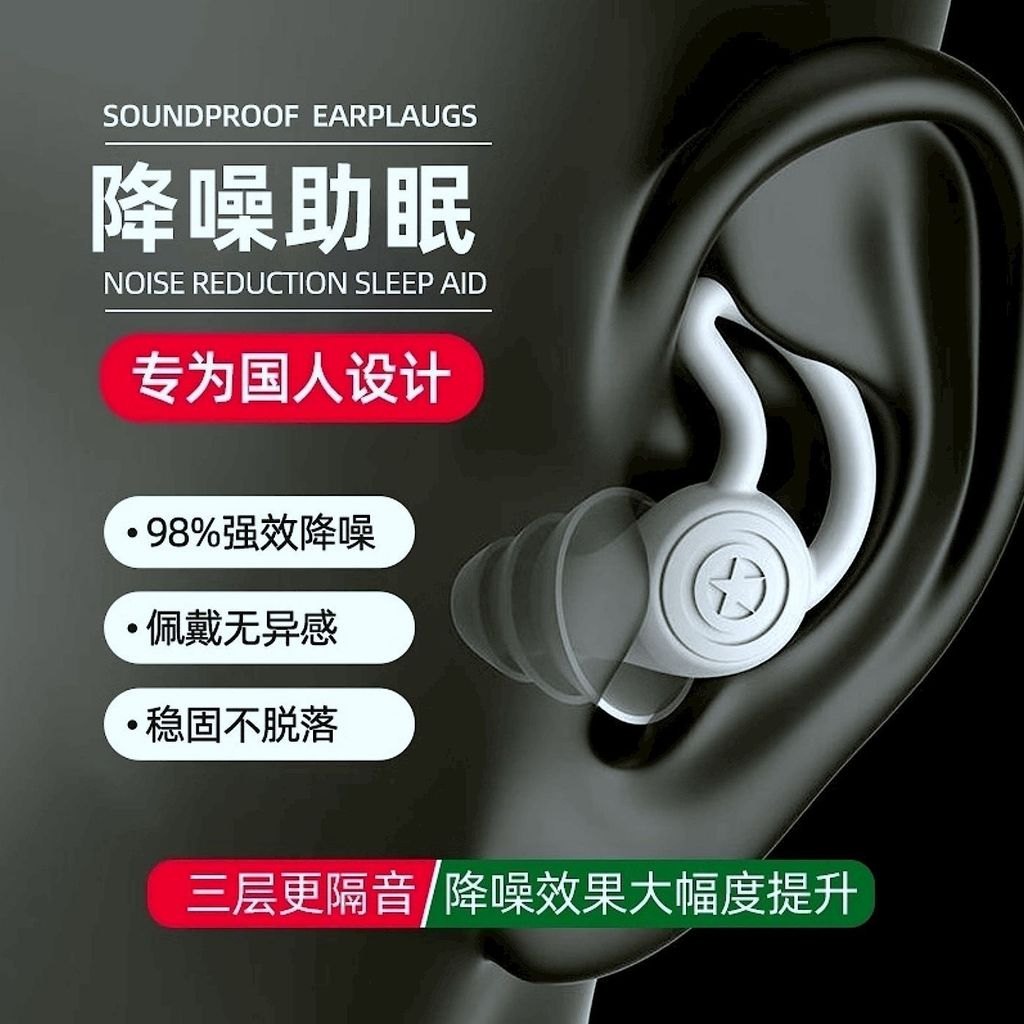
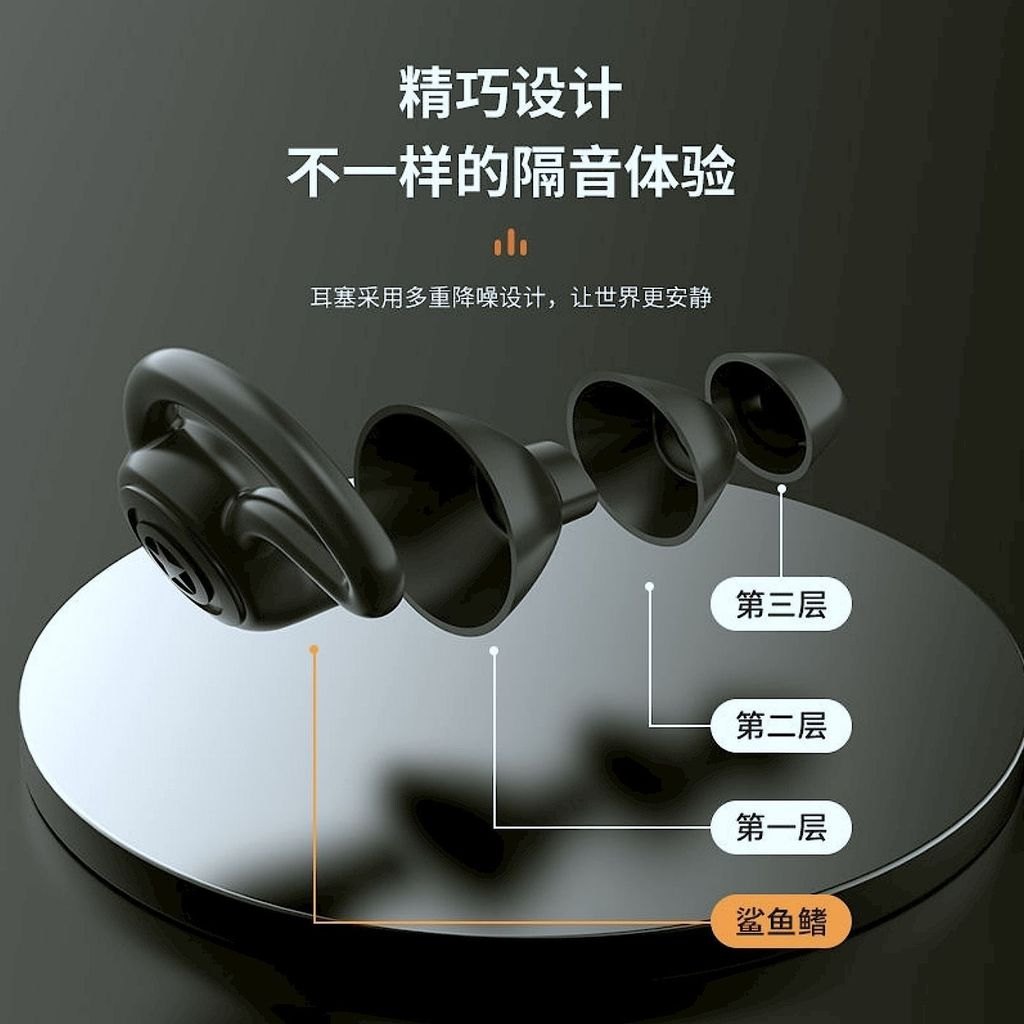
很多人會直覺覺得「塞越深越有效」。但睡眠耳塞更重要的是貼合:當耳塞與耳道形成更緊密的接觸,外界聲音就不容易直接傳進來。可以把它想成減少漏風:深不深不是重點,重點是有沒有把空隙縮小。
佩戴流程(照做就能縮短試錯時間)✅
- 先做短時間適應:不要一開始就戴著直接睡一整晚。先戴 10–20 分鐘感受舒適度。
- 確認方向與位置:把耳塞放入後,重點觀察是否需要頻繁調整。若一動就鬆,通常代表貼合還沒到位。
- 側睡測試:輕輕翻到你習慣的側(左或右),停留幾分鐘。你要找的是「不滑、也不刺」的狀態。
- 微調而非重塞:如果覺得不穩,先做小幅度調整;避免反覆大力推入。
- 睡前再檢查一次:睡前最後 30 秒,確認佩戴位置是否仍穩定。
帶有依據感的判斷方式:用「干擾感」而不是用「聲音消失」
有些人期待戴上後完全聽不到聲音,結果反而失望。更合理的評估方式是:你是否感覺到「干擾變少、節奏更不容易被打斷」。這符合多數聲學情境的直覺:耳塞通常是降低傳入感,而不是把世界靜音。
小表格:你遇到的狀況,對應可能原因
| 你覺得不對勁的地方 | 常見原因 | 你可以怎麼調 |
|---|---|---|
| 側睡會滑 | 貼合不足或位置需要微調 | 先做小幅度調整,再側睡測試 |
| 戴久覺得不舒服 | 佩戴壓迫感過強或不適合你的耳道狀態 | 縮短適應時間,必要時停止使用並改找其他款式 |
| 覺得「沒差很多」 | 期待值過高或貼合仍有空隙 | 用「干擾感」評估,並重新確認貼合 |
FAQ:常見疑問一次整理
Q1:我需要戴得很緊嗎?
重點是貼合與舒適的平衡。你可以用「側睡是否穩定、是否需要一直調整」來判斷,而不是追求越緊越好。
Q2:宿舍噪音很雜,耳塞還有用嗎?
通常仍有幫助,因為耳塞主要降低聲音進入感。你可以先觀察「突發聲是否更不容易把你拉出放鬆狀態」。
Q3:防水/游泳用途要注意什麼?
商品描述包含防水與游泳用途;實際使用仍建議依產品說明與你的活動型態評估,並留意佩戴舒適度與安全性。
如果你有類似需求,可以再對照其他睡眠耳塞的佩戴方式
同樣是睡覺用耳塞,差異常在貼合設計與佩戴體驗。你可以把這篇的流程當成檢查清單,對照不同款式的描述與實際回饋,找到更適合你耳道的狀態。
💡 原理小知識
許多日常用品其實背後都有基本的運作邏輯,例如透過密封、隔離或結構設計來提升效率。可以想像成把原本分散的影響因素集中管理,因此在實際使用上會更穩定。
English Version
How to Wear Sleep Earplugs Without Slipping: A Side-Sleeper-Friendly Routine
Many people don’t fail because the earplugs are “bad”—they fail because the fit isn’t dialed in. This guide gives a practical, step-by-step routine for side sleepers in dorms or study spaces. It also explains the core idea in everyday terms: the goal is a close seal, not “pushing deeper.”
The key idea: fit beats depth
A common misconception is that “deeper is better.” For sleep earplugs, what matters most is how closely they seal in the ear canal. Think of it like reducing drafts: the goal is to minimize gaps, not to force the plug deeper.
A simple routine you can follow tonight
Start with a short adaptation period (10–20 minutes), then adjust for comfort and stability. Do a side-sleep test by gently shifting to your usual side and check whether you need to keep readjusting.
How to judge whether it’s working (without chasing “silence”)
Instead of expecting total silence, evaluate the “interruption feeling.” If sudden sounds feel less disruptive and your focus or relaxation is easier to maintain, that’s a practical sign the fit is working.
FAQ
Q: Should it be very tight? Aim for a balance of comfort and stability. Q: Will it help with mixed dorm noise? Often yes, because it reduces sound entry. Q: For water-related use, follow the product guidance and prioritize safety and comfort.