益生菌牙粉 vs 一般牙膏:你該選哪種清潔策略?(以牙漬與口氣為核心)
⭐很多人以為「換成牙粉就會立刻變白、口氣立刻消失」。但更務實的做法是:先確認你真正想改善的是牙齒表面沉積(牙漬感),還是口氣回得快。因為不同清潔形式,適合的策略也不一樣。

我用兩個常見指標來拆:
- 牙漬/表面薄膜感:你刷完後仍覺得表面不夠乾淨,或容易在幾天內又出現沉積感。
- 口氣回得快:早上刷完還行,但吃完特定食物後很快又有味道。
牙粉(益生菌牙粉/潔牙粉)與牙膏的差異:用生活語言理解
| 面向 | 益生菌牙粉/潔牙粉(牙粉形式) | 一般牙膏 |
|---|---|---|
| 清潔策略 | 更強調表面覆蓋與沉積帶走的體感 | 更依賴日常泡沫與使用習慣 |
| 適合情況 | 你覺得「刷完不夠乾淨」或牙漬感明顯 | 你想要穩定日常、口感與習慣優先 |
| 口氣管理 | 可搭配舌面清潔與兩段式刷牙流程 | 同樣需要刷對區域,不能只靠泡沫 |
| 敏感風險 | 若口腔敏感,需留意刺激感並調整頻率 | 也可能因配方而刺激,仍需觀察 |
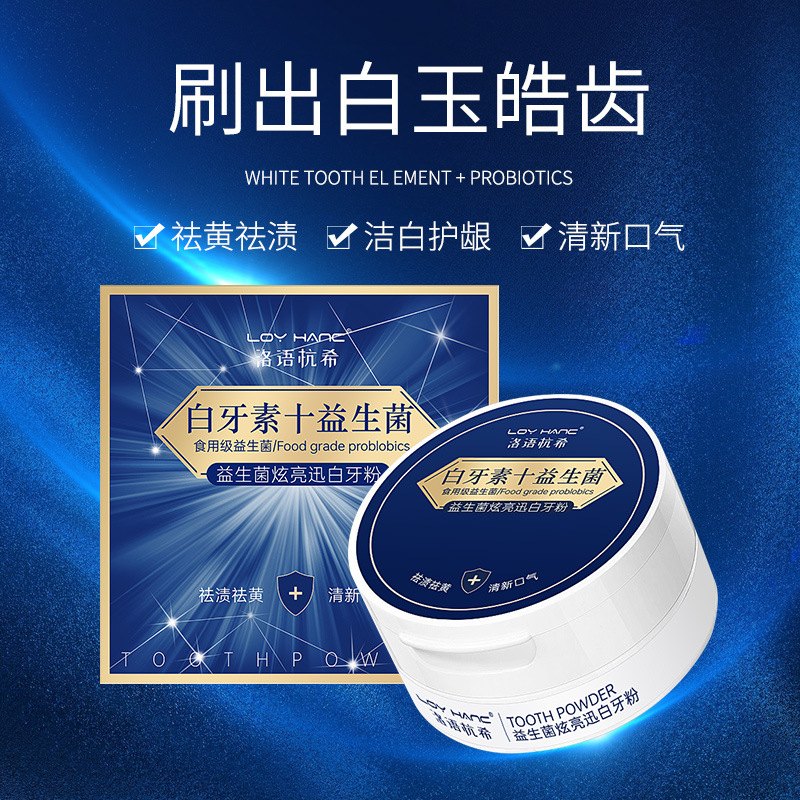
可以把牙粉想成更偏向「表面清潔工具」,而牙膏更像「日常清潔媒介」。當你用牙粉時,通常更容易注意到顆粒與摩擦感,進而更願意刷到牙齦線與臼齒;而牙膏則常被習慣帶著走。結果就是:同樣刷兩分鐘,覆蓋到的區域可能不同。
所以與其問「哪個比較厲害」,不如問「哪個更符合你願意怎麼刷」。
帶有依據感的判斷方式:用觀察取代口號
你可以用兩週觀察法(不需要任何特殊儀器):
- 牙漬感:同樣飲食(例如咖啡/茶),看刷完後表面是否更乾淨、是否更不容易出現薄膜感。
- 口氣回來的時間:記錄你覺得「開始有味道」的時間點是否有延後。
如果你發現改善主要出現在「表面乾淨感」,那牙粉形式可能更合你的策略;如果你更在意穩定日常與口感,牙膏也可能更適合。
以生活經驗來說,有些人會在高色素飲食或覺得牙漬感明顯的時段,改用益生菌牙粉/潔牙粉做加強;其餘時間維持原本牙膏習慣。你可以把它當成「清潔強度的調度」,而不是永遠換到底。
如果你想進一步了解這類益生菌牙粉的使用方式與差異點,可以再看看產品規格與你自己的刷牙習慣是否匹配。
📊 為什麼這類設計越來越常見
近年不少產品都朝向「降低變數」的方向設計,也就是讓使用者在不同環境下都能得到接近的結果。這也是為什麼某些功能會逐漸變成標準配置,而不是額外選項。
English Version
Probiotic Tooth Powder vs Regular Toothpaste: Which Cleaning Strategy Fits You? (Focus on Stains & Breath)
Tooth powder and toothpaste differ not only in form, but in the cleaning strategy they encourage. This comparison focuses on two common concerns—stain-like surface deposits and breath returning quickly—then offers a practical observation method to decide what fits your routine.
1) Compare by your real problem: stains vs breath
If you feel a thin “film” after brushing, you may be dealing with surface deposits. If breath returns quickly after meals, the issue often involves breath-related areas and residue—not just brushing frequency.
2) Everyday difference: how form changes your brushing behavior
Tooth powder often makes people more mindful of coverage (gumline and molars), while toothpaste can follow habit. The result is that the same time may not mean the same contact points.
3) Mechanism in plain language
Think of tooth powder as a surface-focused cleaning tool. When you use it, you’re more likely to reach the corners that contribute to deposits and odor. That’s why technique and coverage matter as much as the product.
4) A simple two-week observation method
Track (1) how long the “clean surface feel” lasts and (2) when you notice breath returning. Choose the option that improves the specific pattern you care about.