防汗墊怎麼貼才服貼?寵愛有家 RAVIS 腋下超薄隱形使用教學
防汗墊的效果,除了材質之外,貼合方式也很關鍵。你可能遇過這種狀況:明明買了超薄隱形款,卻在走動後邊緣翹起,或是汗還是跑到衣料上。
下面我用「好上手、好維持」的方式整理寵愛有家 💕 日本 RAVIS 防汗墊的使用教學,讓你更容易得到瞬吸乾爽與除臭無痕的體感。📌
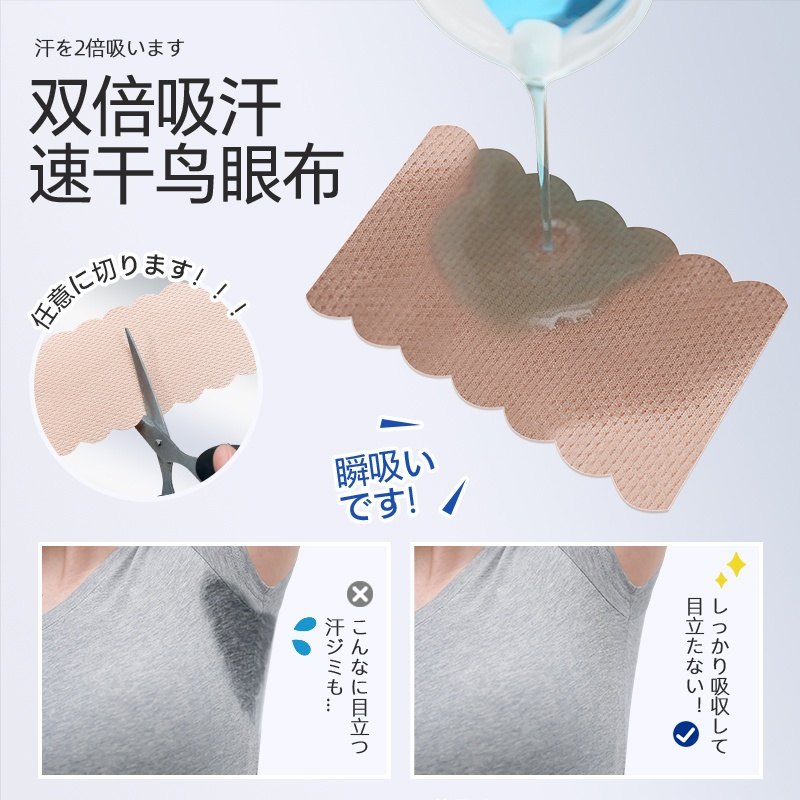
步驟1:先確認腋下位置(貼得準,才會薄)
穿上你要使用的上衣(或用同類型衣料比對),找出腋下最容易出汗、也最容易被看見的區域。一般來說,汗會集中在腋下前側到側邊的交界處。
貼合時把防汗墊對準「汗會落下的位置」,而不是只貼在皮膚中央。這樣你會更容易感受到乾爽範圍更完整。
步驟2:皮膚狀態要乾爽,黏貼才穩
如果皮膚表面還有水氣或乳液殘留,黏貼就可能變得不牢。簡單做法是:洗完或擦汗後,讓腋下保持乾爽,再進行貼合。
有些人會忽略這點,但日常經驗很常見:同一款防汗墊,皮膚越乾爽、貼得越穩,走動後位移就越少。
步驟3:用「按壓」取代「拉扯」(避免翹邊)
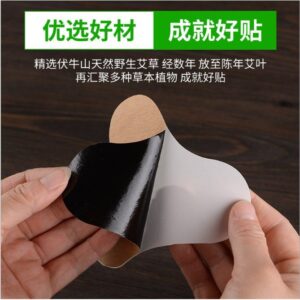
貼上後先輕按幾秒,讓接觸面充分服貼。避免拉扯或反覆撫平,因為拉扯可能讓邊緣失去原本的貼合角度。
你可以想像成貼膠帶:按下去讓它貼牢,比一直來回調整更有效。
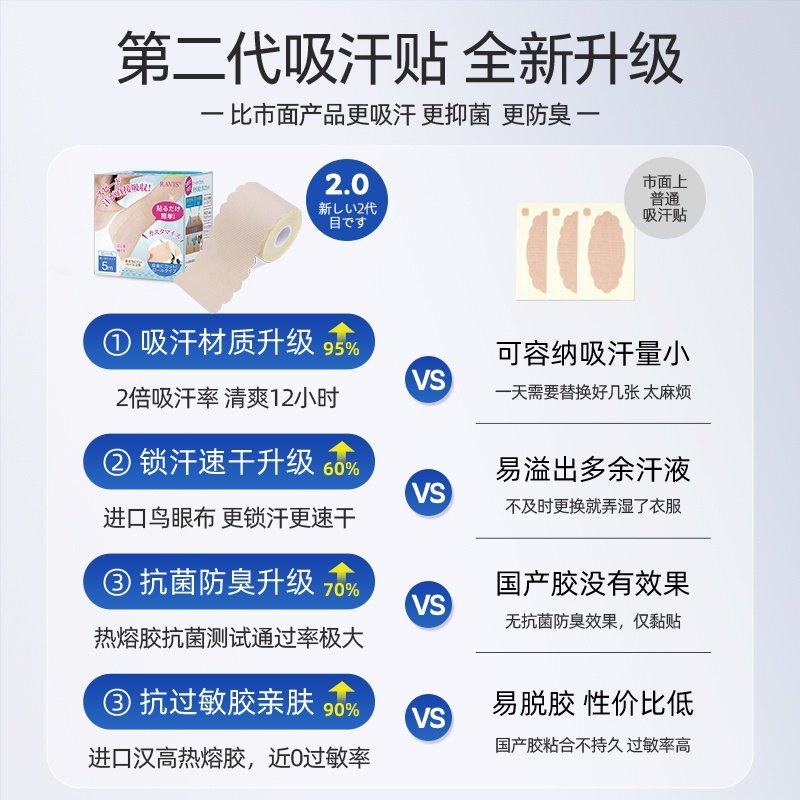
防汗墊的瞬吸乾爽通常來自吸收層的快速導入與分散。當汗水一接觸到吸收層,水分會被吸進去,表面就不會一直維持濕黏狀態。
簡單來說:汗不在表面停留越久,衣料就越不容易出現暈染;而乾爽感提升,也比較不容易讓異味在潮濕環境中累積。
何時更換?用「觸感與視覺」判斷
沒有每個人都一樣的出汗量,所以更換時間可以用兩個方式判斷:
- 觸感:從乾爽變成明顯濕黏或悶熱。
- 視覺:衣料腋下區域開始出現明顯濕痕或顏色變深。
如果你是通勤族、或是當天活動較多,通常會比平常更早進入需要更換的狀態。這也是為什麼很多人會在包包裡備一兩片,讓整天維持體面。
搭配衣料的小提醒(讓無痕更有感)
超薄隱形的優勢在於不容易形成厚度差。建議你在以下情境特別留意:
- 襯衫、針織、偏薄洋裝:更容易看出腋下厚度,貼合位置要更精準。
- 深色衣物:汗漬不一定顯眼,但味道與悶感仍可能存在,除臭無痕會更有感。
快速對照表:你可以這樣檢查
| 檢查點 | 理想狀態 | 若不理想怎麼調整 |
|---|---|---|
| 邊緣 | 貼平不翹起 | 確認皮膚乾爽、按壓服貼 |
| 乾爽感 | 不悶不黏 | 更換時間提前一點 |
| 外觀 | 衣料下不明顯厚塊 | 對準汗區而非只貼中央 |
如果你有類似需求,可以進一步看看這類商品的規格與評價,特別留意尺寸與貼合設計是否符合你常穿的版型。✅
💡 原理小知識
許多日常用品其實背後都有基本的運作邏輯,例如透過密封、隔離或結構設計來提升效率。可以想像成把原本分散的影響因素集中管理,因此在實際使用上會更穩定。
English Version
How to Apply a Sweat Pad for a Perfect Fit? A Simple Guide to RAVIS Ultra-Thin Comfort
Many people don’t get the best results from sweat pads because of placement and skin prep. This guide walks you through how to apply the RAVIS sweat pads from Petai Youjia for a more secure, invisible fit—plus when to replace and how to match different fabrics for a consistently dry, fresh feel. 💡
Step-by-step: find the sweat zone and align the pad
Placement matters. Identify where sweat naturally collects on your underarm when wearing the same type of clothing, then align the pad to that area rather than only centering it on the skin.
Skin prep and pressing: the small habits that prevent lifting
For better adhesion, keep the underarm dry before applying. After placing the pad, press gently for a few seconds to help it conform smoothly and reduce edge lifting.
When to replace: use touch and visual cues
Replace when the pad shifts from dry to noticeably damp or when underarm areas start showing wet marks on clothing. This approach adapts to your sweat level instead of relying on a fixed time.