下水就霧、戴雪鏡看不清?用防霧劑把「視野被吃掉」的問題處理好 🧩
最讓人挫折的不是起霧本身,而是你明明準備好了,卻在關鍵時刻看不清。像是游泳前鏡片還清楚,入水後幾分鐘就霧;或是冷天戴雪鏡,呼吸一靠近就變成一片白霧。這類狀況通常跟鏡片表面「水分凝結方式」有關。
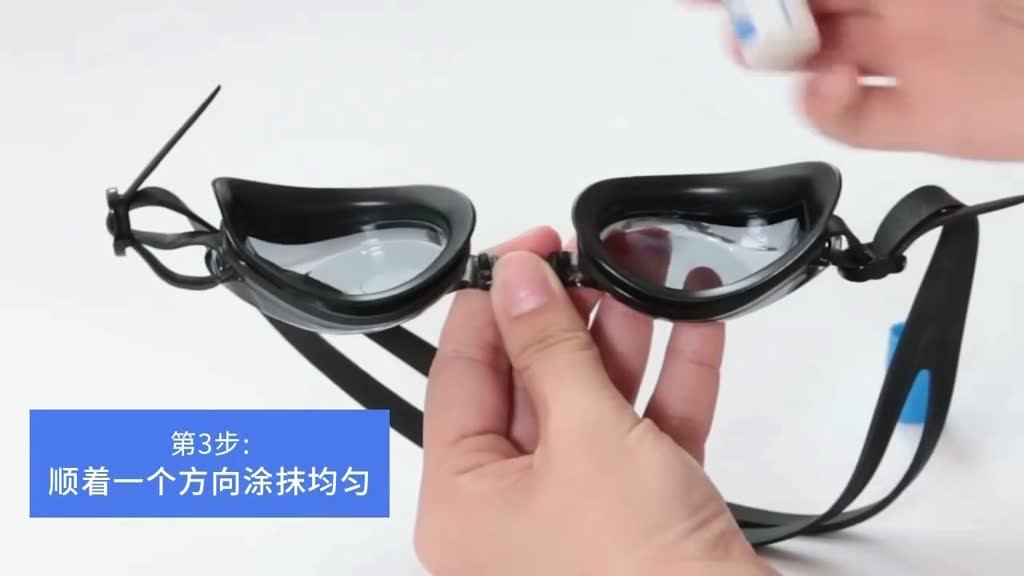
這通常是溫差+濕氣凝結的組合拳。你可以把它想成:鏡片表面在短時間內遇到大量水氣,若表面不利於水分均勻鋪開,就容易形成霧狀水膜。
解法:清潔乾燥+薄塗均勻防霧劑
- 先把鏡片擦到乾淨、避免油脂殘留。
- 使用隔日配防霧劑 15ML(除霧筆)做薄薄一層均勻塗佈。
- 依產品建議時間讓其作用,再依需要處理表面。
很多人只做「擦拭」但沒有處理表面狀態。擦拭能去掉灰塵,卻不一定能改變水分在鏡片上的凝結行為。帶有依據感的說法是:日常觀察與材料特性都顯示,表面能影響水膜形成方式;當表面狀態更適合水分鋪展,霧感通常會下降。
冷天的關鍵是「呼吸水氣+溫差」。你可以在出門前先完成防霧處理,並在使用過程中避免用手頻繁觸碰鏡片。若你發現局部又開始霧,通常補擦比重新整套更省事。
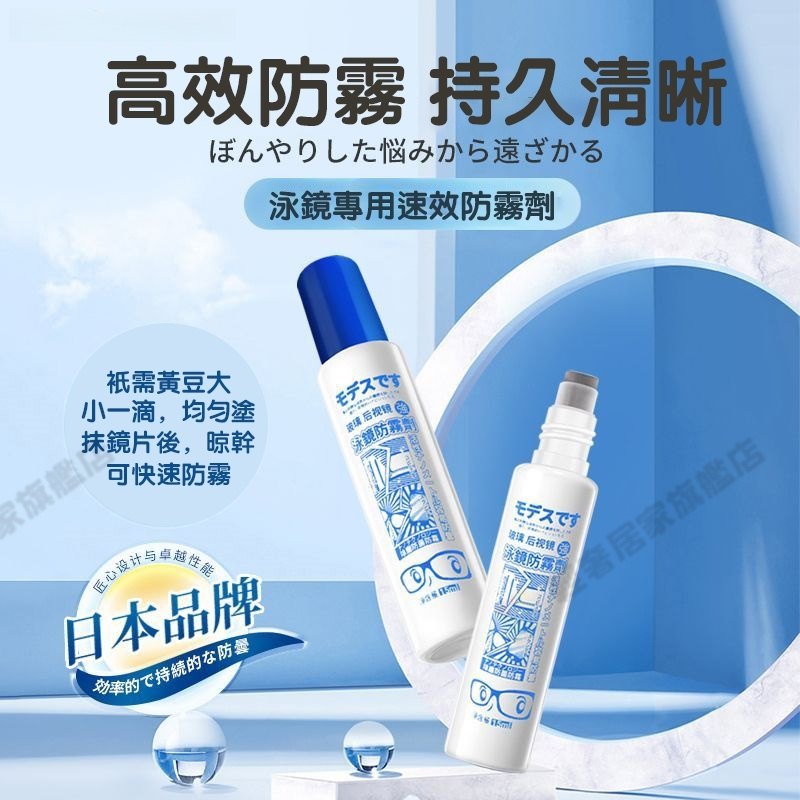
簡單來說,霧是光被散射的結果。當水氣在鏡片上聚成細小水珠,光線就更容易被打散,你就會覺得霧。防霧劑的作用通常是讓水分更傾向均勻鋪展、降低水珠聚集,讓散射變少;因此視野會更清楚。把它想成「讓水不要集中成一團」,而是更平穩地分布在表面。
常見誤區 FAQ
Q1:我用力擦拭會不會更不容易起霧?
用力擦拭可能只是把灰塵擦掉,但如果油脂或表面狀態沒有處理,仍可能起霧。更有效的做法通常是「清潔到位+再做防霧處理」。
Q2:防霧劑塗太厚會怎樣?
塗太厚可能造成乾燥不均或殘留,反而讓視覺更不舒服。除霧筆的優點就是更容易控制用量,維持薄而均勻通常更穩。
Q3:適用於泳鏡、蛙鏡、潛水鏡、雪鏡都可以嗎?
隔日配防霧劑 15ML 的適用範圍包含泳鏡、雪鏡、眼鏡、風鏡、蛙鏡、潛水鏡等。若你有特殊鍍膜或材質疑慮,可以先小範圍測試,避免不相容。
快速對照表:你是哪一種起霧?
| 起霧型態 | 常見原因 | 優先做法 |
|---|---|---|
| 入水後很快霧 | 溫差+濕氣凝結 | 清潔乾燥後薄塗防霧劑 |
| 擦了仍霧 | 表面狀態未改變 | 改用防霧劑處理表面 |
| 冷天戴雪鏡局部霧 | 呼吸水氣+局部塗層不均 | 避免觸碰塗層、必要時補擦 |
如果你也常遇到「視野被霧吃掉」的瞬間,與其一直重複擦拭,不如把重點放在表面狀態管理。你有類似需求的話,也可以進一步看看這類商品的規格與評價,找到最適合你鏡具與使用節奏的做法。
📌 為什麼這類產品會有效?
一般來說,這類產品的設計原理是透過改善日常使用過程中的某些關鍵因素,例如減少空氣接觸、降低水分流失或優化使用流程。簡單來說,就是讓原本容易被忽略的小細節變得可控。
English Version
Fogging Ruins Your View? Fix the “Vision Gets Eaten by Fog” Problem with Anti-Fog
When your goggles fog up right after entering the water—or your ski goggles turn hazy in cold weather—it’s usually not just dirt. This article targets common fogging pain points and explains how the 15ML anti-fog pen helps through proper cleaning, thin even application, and a simple mechanism you can understand.
1) Fogging right after entering the water: what’s really happening
Rapid fogging is commonly caused by temperature differences and moisture condensation. If the lens surface doesn’t encourage water to spread evenly, moisture forms a hazy film that scatters light.
2) Why “wiping” alone often doesn’t solve it
Wiping removes dust, but it doesn’t necessarily change how water behaves on the lens surface. Practical experience and common material behavior both point to surface condition as a key factor—cleaning plus anti-fog treatment usually works better than wiping alone.
3) Mechanism in plain language: reduce droplet clustering to reduce light scattering
Fog is essentially light scattering. When water beads into tiny droplets, light scatters more and your view turns hazy. Anti-fog treatments typically help water spread more uniformly, reducing droplet clustering—so the lens stays clearer.
4) Quick troubleshooting FAQ
If it still fogs, check cleaning and ensure thin, even application. Avoid touching the lens after treatment. If fogging is localized, a small touch-up often helps more than repeating heavy wiping.
🛒 你可能會需要
Amazon 推薦