耳夾式不入耳藍芽耳機怎麼選?從配戴角度到連線穩定一次搞懂
我常聽到朋友說:「不入耳比較舒服,但我不知道要怎麼戴才會穩。」其實耳夾式的關鍵在於配戴角度與貼合位置,而不是你耳朵一定要長得像模特兒。下面用更生活的方式,帶你把選購與上手流程整理起來。📌

步驟1:先找到「不壓迫但不鬆」的配戴位置
耳夾式不像入耳式那樣靠耳塞密封,你需要的是「耳夾與耳廓的支撐點」。建議你第一次配戴時,先把耳夾放在耳廓較穩的支撐區域,再輕微微調角度:
✅ 感覺不痛、不悶
✅ 走動或甩頭時不容易滑動
✅ 聽感不會忽大忽小
依據不少使用者的經驗,配戴位置調好後,通話與音樂的穩定性通常也會更好,因為耳機不需要一直「重新對位」。
步驟2:藍芽 5.4 的連線穩定,跟環境也有關
藍芽 5.4 常見的優勢是連線更穩、延遲更低。你可以把它想成:同樣是無線訊號,新規格比較能在訊號波動時維持品質。
不過要提醒的是,像是人多擁擠的場域、牆體阻隔、或同時連了多台裝置,都可能影響體感。
簡單做法是:第一次配對後,盡量讓手機與耳機保持合理距離;如果你常在同一空間切換裝置,可以先把不使用的裝置暫時關閉藍芽,減少干擾。
步驟3:降噪不是魔法,理解它的作用方式更不失望
降噪通常是降低環境雜音對你聽覺的干擾。用生活語言說:它比較像「把背景吵雜的聲音往下壓」,讓你更容易聽到人聲與旋律。
如果你在風很大的戶外或非常嘈雜的環境,降噪效果仍可能受影響;這不是你用錯,而是物理環境本來就會干擾。
新手常見 FAQ
Q1:不入耳會不會更容易漏音?
漏音與音量、音樂內容、以及配戴貼合程度都有關。你可以先從中等音量開始,並確認耳夾位置是否穩定;通常貼合更好,體感也更一致。
Q2:通話時為什麼有時候對方聽起來不清楚?
常見原因包含環境噪音、麥克風拾音角度與風切。建議在戶外有風時稍微調整耳機位置,並避免把麥克風正對強風。
Q3:藍芽 5.4 就一定不會斷線嗎?
不會斷線是理想狀態,但無線仍受環境影響。藍芽 5.4 的目標是讓連線更穩、延遲更低;你仍可透過距離與裝置管理提升體感。
把選購變簡單:用你的使用場景做決策
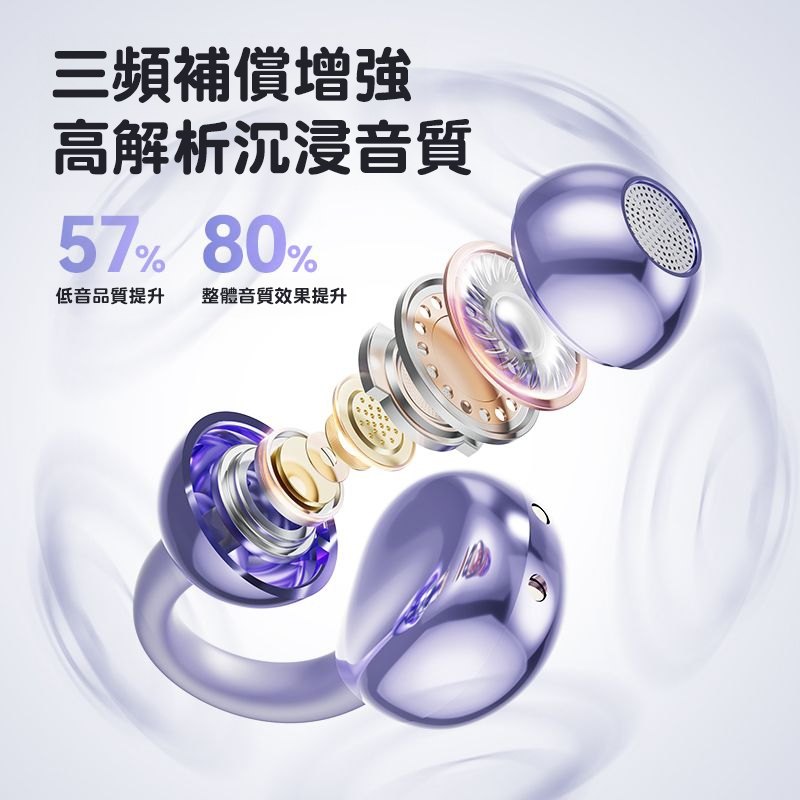
如果你主要是通勤、走路、輕運動,且希望不悶耳、配戴更直覺,那耳夾式不入耳藍芽耳機會很適合。你也可以把它當作「先解決配戴舒適度」的起點;當你找到穩定配戴後,再去比較降噪與通話表現會更有方向。
💡 原理小知識
許多日常用品其實背後都有基本的運作邏輯,例如透過密封、隔離或結構設計來提升效率。可以想像成把原本分散的影響因素集中管理,因此在實際使用上會更穩定。
English Version
How to Choose an Ear-Clip Non-In-Ear Bluetooth Headphone: Fit Angle, Connection Stability, and Noise Reduction
Many people buy ear-clip non-in-ear Bluetooth headphones and wonder how to wear them securely or why the connection feels inconsistent. This tutorial-style guide explains practical fit steps, what Bluetooth 5.4 can improve, and how noise reduction works in everyday environments—so your first setup feels right.
Step 1: Find the “secure but not tight” fit
Ear-clip designs rely on support from the ear’s outer area rather than sealing inside the ear canal. Start by placing the clip on a stable support point, then make small angle adjustments. A good fit feels comfortable, stays in place while moving, and keeps your listening volume consistent.
Step 2: Bluetooth 5.4 stability depends on environment too
Bluetooth 5.4 often improves stability and latency, like a newer communication protocol that handles signal changes better. Still, crowded spaces, walls, and multiple active devices can affect performance—so keeping reasonable distance and reducing competing connections helps.
Step 3: Understand noise reduction to set realistic expectations
Noise reduction typically lowers background interference rather than eliminating the whole world. Think of it as “turning down the noisy background” so voices and music stand out more. Wind and extreme noise can still reduce effectiveness.