How to Read Omega-3 Labels: EPA, DHA, Antarctic Krill Oil & Astaxanthin Explained
You don’t need to be a nutrition expert to choose Omega-3 wisely. This guide shows how to read labels—understanding EPA/DHA clarity, what Antarctic krill oil means, and how astaxanthin fits into the formulation—so you can shop with confidence.
Step 1: Understand the roles of fish oil vs. Antarctic krill oil
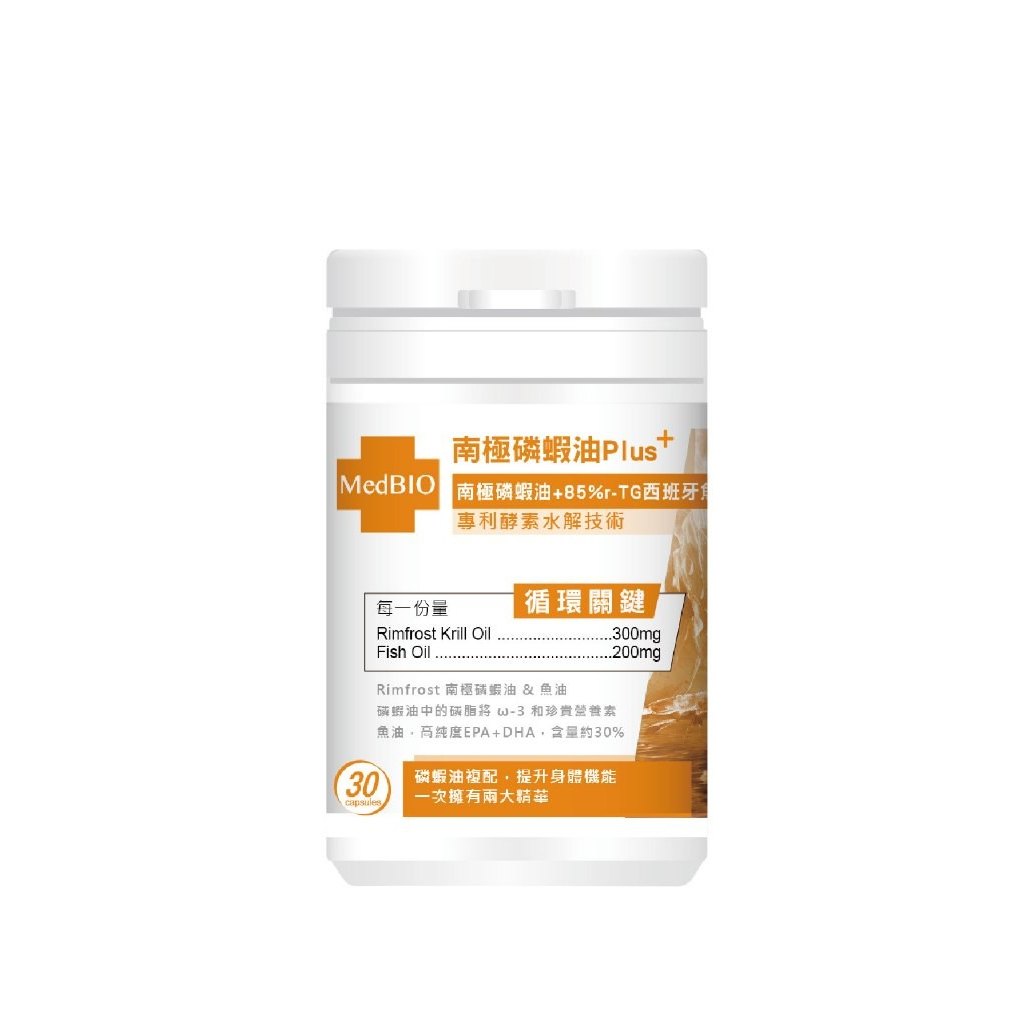
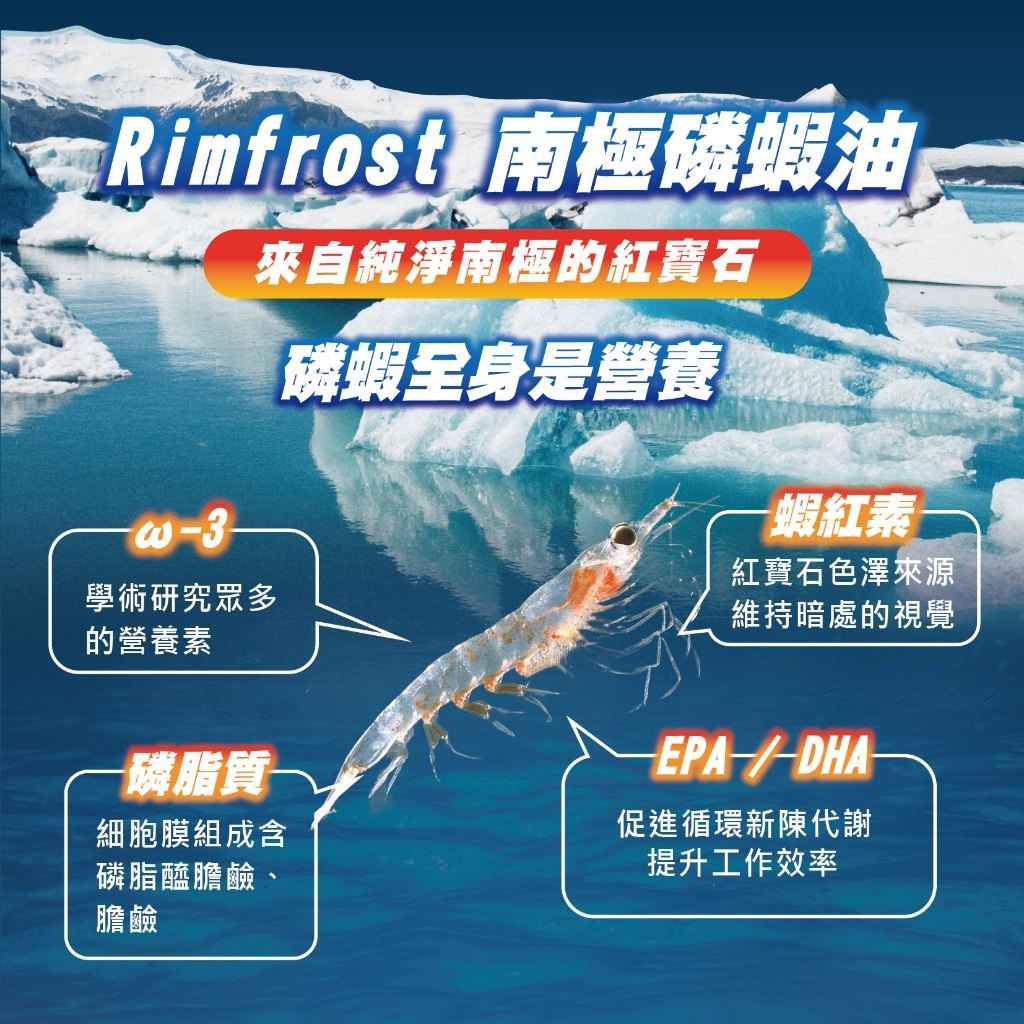
Fish oil is typically described by EPA and DHA. Antarctic krill oil is a different source type. In this formula, Rimfrost Antarctic krill oil is paired with fish oil that provides EPA and DHA ranges.
Step 2: Evaluate EPA/DHA using label clarity
Start with whether the label clearly states EPA and DHA ranges. Here, the fish oil portion lists EPA 15–18% and DHA 10–12%, which makes comparison easier.
Step 3: What astaxanthin means in a blend
Astaxanthin is often used to describe the overall formulation direction. For circulation-focused routines, it’s commonly included alongside EPA/DHA as part of a broader support strategy.
Step 4: Don’t ignore how you’ll actually take it
Consistency matters. The recommended use is 1 capsule 1–2 times daily, preferably after meals. If you’re building a habit, start with once per day.