
English Version
How to Choose Omega-3 for Circulation Support: Antarctic Krill Oil + Fish Oil Key Points
If you’re looking for a more precise approach to circulation support, the combination of Antarctic krill oil and fish oil (OMEGA-3) is easier to evaluate. This guide walks you through key factors—ingredient sources, EPA/DHA content, and how to take it consistently—so you can build a practical daily routine.
Why circulation support feels different over time
Many people notice tighter legs, colder hands/feet, or less comfortable circulation after long hours of sitting or standing. It’s usually not one single cause—daily rhythm, stress, and lifestyle add up. Omega-3 can be part of a long-term routine when paired with healthy habits.
What makes Antarctic krill oil + fish oil a clearer choice
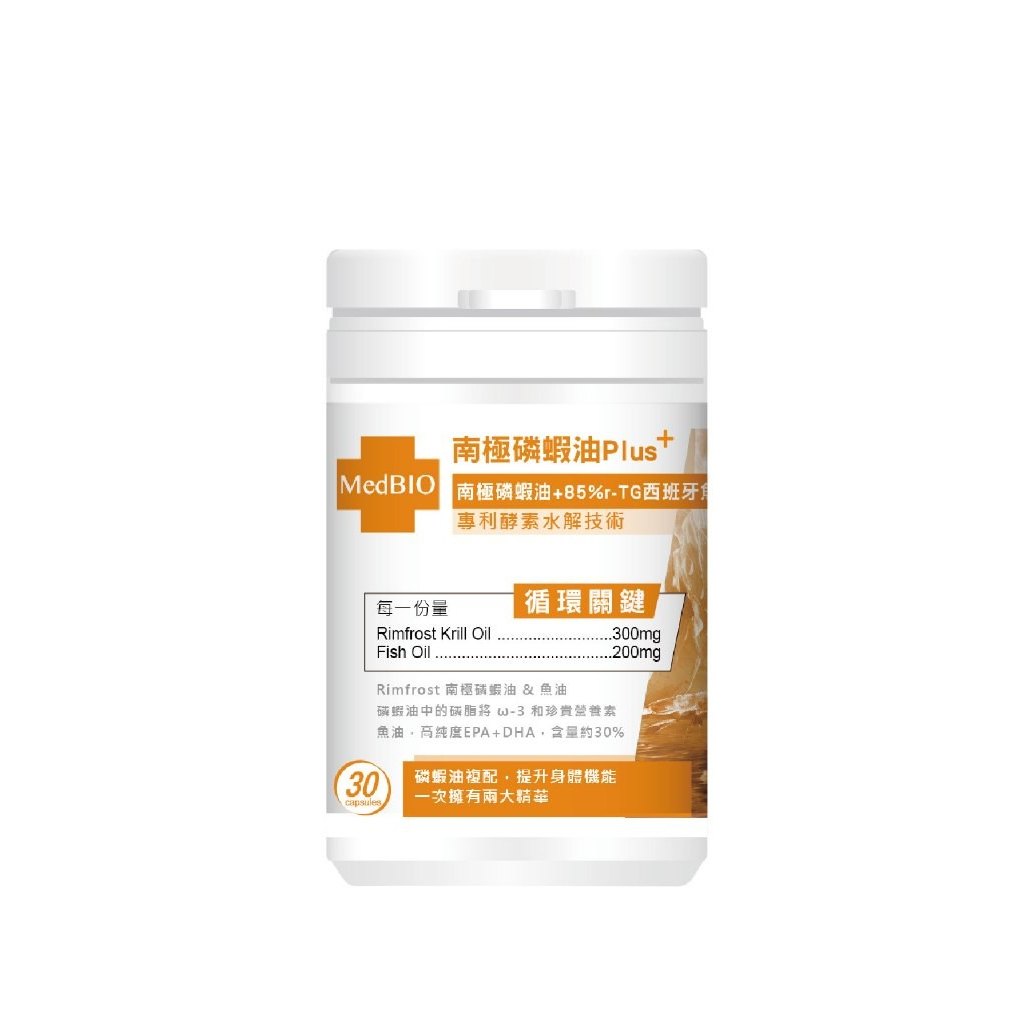
This product pairs Rimfrost Antarctic krill oil with fish oil containing EPA and DHA. The label provides EPA 15–18% and DHA 10–12% in the fish oil portion, making it easier to compare and plan your intake. It also includes the concept of astaxanthin as part of the overall formulation.
How to take it for better consistency
Follow the recommended use: 1 capsule 1–2 times daily, preferably after meals. If you’re starting fresh, begin with once per day to build the habit, then adjust based on your routine.
Quick spec snapshot
Key points include soft-gel format, 6-capsule (trial) or 30-capsule (daily) options, and a shelf life of 2 years when unopened. Always check the label and follow usage guidance.