English Version
How to Choose a Pediatric Amblyopia Occlusion Patch: Comfort, Anti-Fatigue Fit, and When to Use
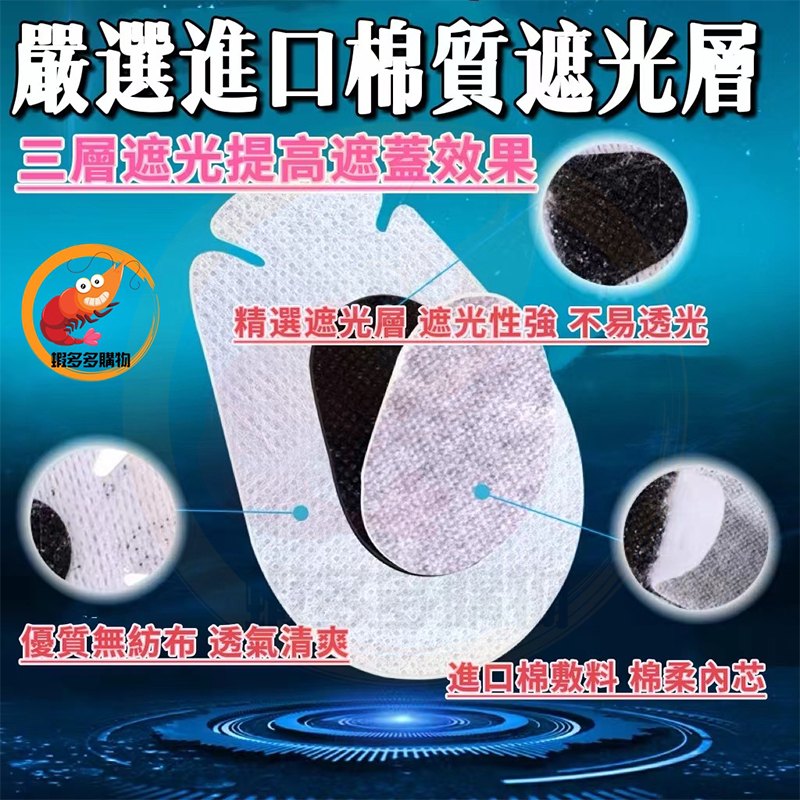
Better compliance starts with comfort and stable occlusion—not just “put it on.” This guide highlights what to look for in a pediatric amblyopia patch so training stays consistent and easier for both kids and parents.
Why comfort and stable occlusion matter
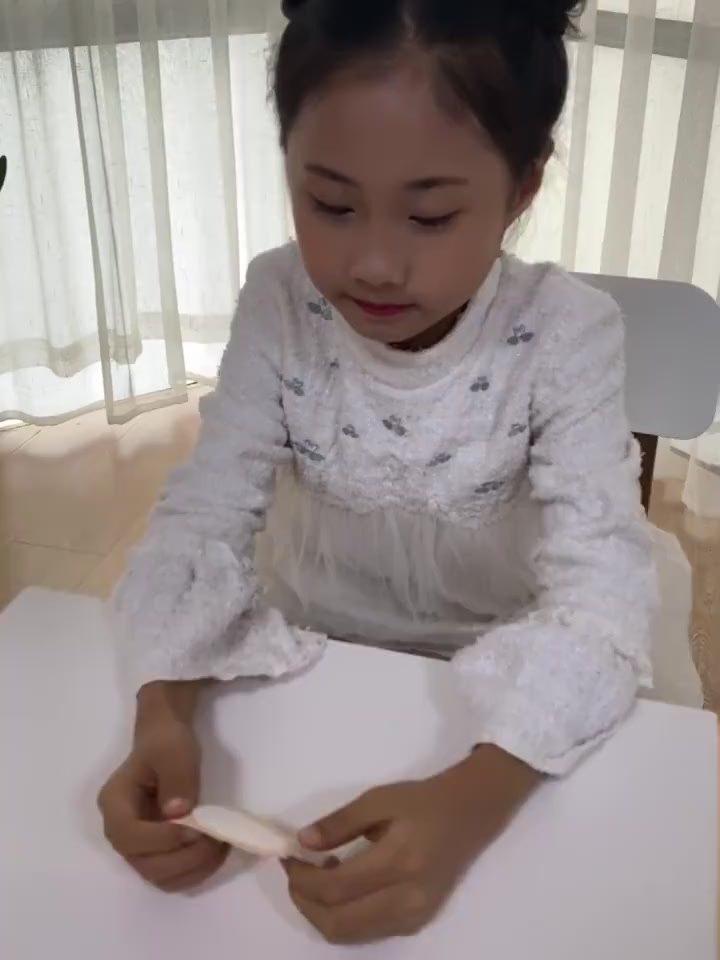
Many families find the hardest part isn’t applying the patch—it’s keeping the child willing to wear it. If the edges lift or the patch feels irritating, training gets interrupted. Choosing a patch designed for stable coverage and anti-fatigue wear can improve day-to-day compliance.
Key selection checklist (recommended approach)
Focus on (1) stable adhesion/coverage to reduce accidental exposure, (2) anti-fatigue comfort for longer wear, (3) suitability for amblyopia training, strabismus occlusion, single-eye visual training, and post-procedure occlusion (only per professional advice), and (4) ease of use for caregivers.
Simple routine to support effective training
Follow the prescribed wear time and frequency, observe comfort within the first 10 minutes, pair the patch with the assigned visual activities, and check whether occlusion stayed complete at the end of the session. Adjust based on what you observe.
FAQ
If the child keeps trying to remove the patch, check fit and edge lift first, then consider starting with shorter sessions to build habit. Stop and consult a professional if there is persistent redness, swelling, or pain.