English Version
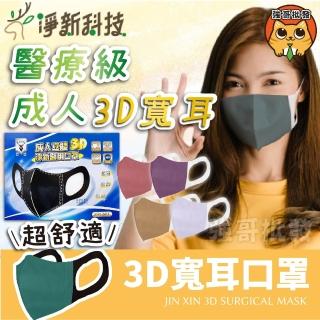
How to Choose a 3D Medical Face Mask? A Practical Guide to Fit & Comfort
If your mask collapses, slips, or feels stuffy after long wear, the issue is often the mask structure—not you. This guide breaks down what to check when choosing a 3D medical mask for everyday comfort.
Why 3D Structure Feels More Like a “Mask-Fit”
3D medical masks are designed with a shaped, structured form that helps maintain space inside the mask. This can reduce the “collapse-to-face” feeling during breathing and improve overall stability on the face.
5 Quick Checks Before You Buy
Check the nose area seal, overall 3D volume, ear-loop comfort, breathing resistance, and whether the three-layer construction feels balanced for daily wear. These factors together determine fit and comfort.
Comfort in Real Life: Commutes, Meetings, and Glasses
For commuting and frequent talking, a stable 3D fit can reduce constant readjustment. If you often fog up, focus on the top edge and nose sealing to minimize leakage.
FAQ & Next Step
Common questions include whether 3D masks are always less stuffy, how three layers differ, and how to reduce ear pressure. If you want a more stable fit and less collapse, review the product details and choose the option that matches your face needs.