3D vs Flat Medical Masks: What’s the Real Difference? (Fit, Fogging, and Long-Wear Comfort)
Why do some people find 3D masks more comfortable while others prefer flat styles? This comparison focuses on the factors that matter most: fit stability, fogging risk, and long-wear comfort.
Structural Difference: Why 3D Feels More Stable
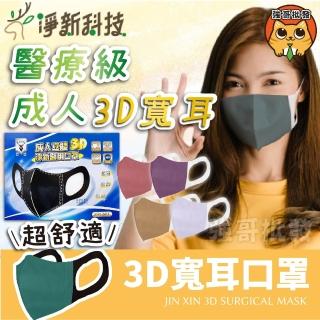
3D masks use shaped cutting to maintain internal space, helping reduce collapse during breathing. Flat masks rely more on face fit and can shift more easily.
Side-by-Side Comparison Table
Compare fit stability, collapse feeling, fogging risk, long-wear comfort, and the typical three-layer comfort/coverage approach.
Choose Based on Your Daily Habits
If you frequently feel the mask touching your face, prioritize 3D structure. If you fog up with glasses, focus on upper-edge and nose sealing.
FAQ: Common Doubts After Comparing
Questions include whether 3D masks are always less stuffy and whether flat masks can be worn comfortably. Fit and wearing technique still matter for both.