鋼頭工作鞋 vs 一般工作鞋:你該為防砸防撞付出什麼代價? ⭐
同樣是工作鞋,有些人會覺得鋼頭鞋「太麻煩」;也有人覺得不穿鋼頭就不安心。其實答案通常不在鞋子本身,而在你的工作風險與日常體感。
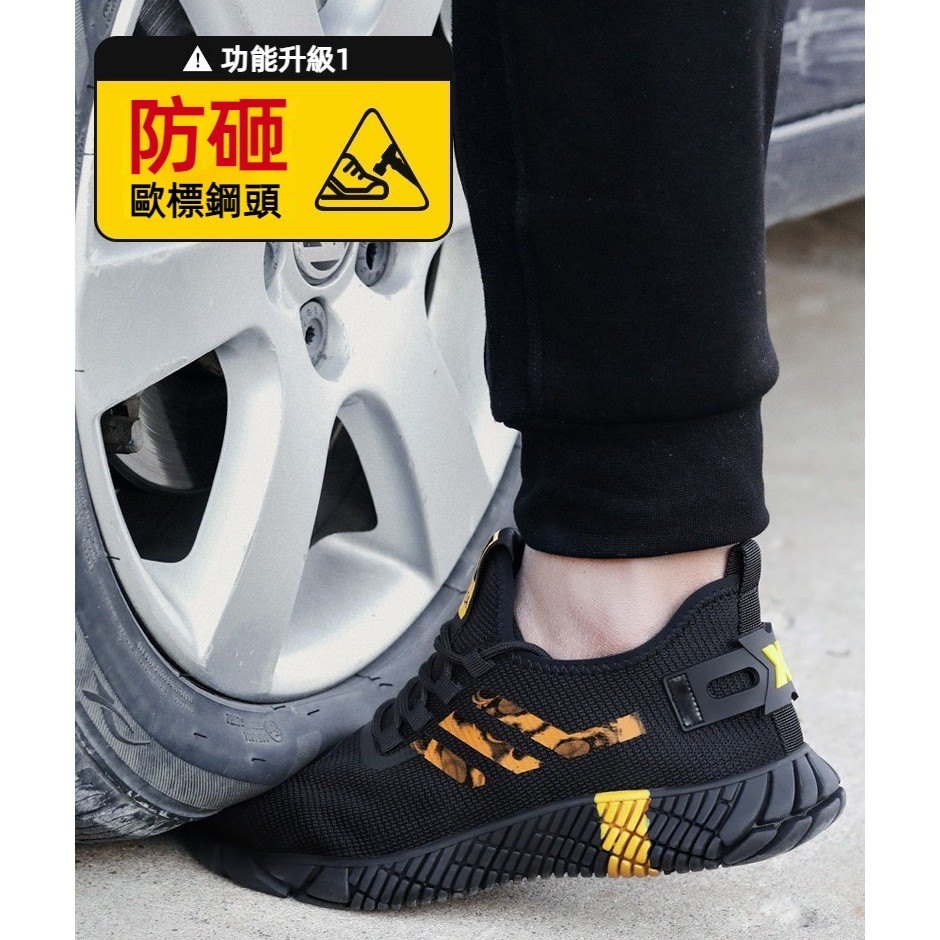
鋼頭工作鞋的核心是防砸防撞,把鞋尖區域的風險先處理掉。一般工作鞋多半更偏向日常舒適與輕便,但在落物或鞋尖碰撞的情境下,保護感通常較有限。
帶有依據感的說法是:在需要保護鞋尖的工作環境,鞋尖受力通常是最常被忽略但最容易造成不適的部位之一。因此是否需要鋼頭,應該回到你是否常遇到落物、工具碰撞或需要更高防護的路況。
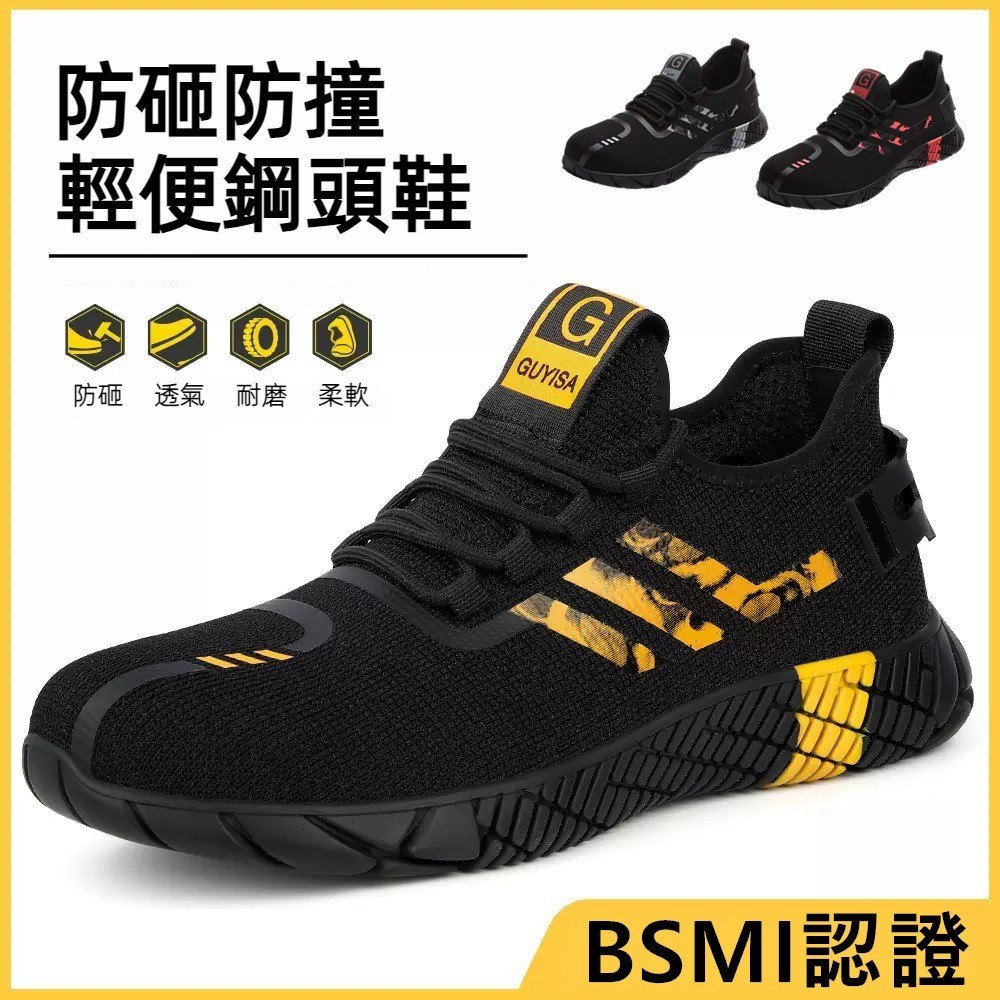
鋼頭鞋常見疑慮是「會不會更重、更硬、走久更累」。但像 SINCAKE 這類型號主打輕量型與柔軟透氣,意思是希望把鋼頭帶來的體感差異降到更可接受的範圍。
透氣部分則要看鞋內濕氣管理。你可以把悶熱想成「濕氣堆積」。如果鞋款透氣取向做得好,再搭配下班後的晾乾流程,體感通常會更穩定。
對照表:用你的情境做決定
| 考量面向 | 鋼頭工作鞋(例:柔軟透氣鋼頭鞋) | 一般工作鞋 |
|---|---|---|
| 防護需求 | 偏向防砸防撞,鞋尖區域更有保護感 | 多偏舒適與日常耐用,鞋尖保護通常較有限 |
| 穿著體感 | 主打輕量與柔軟透氣,降低鋼頭帶來的硬感 | 通常更輕、更軟,但防護取向較弱 |
| 適合情境 | 工地、戶外搬運、需要鞋尖防護的路況 | 較偏日常工作、碰撞風險較低的環境 |
| 日常管理 | 透氣取向搭配晾乾,能維持舒適度 | 清潔與保養同樣重要,但悶熱風險可能較低 |
可以把鋼頭想成「把衝擊先攔在前面」。當鞋尖遇到落物或碰撞,鋼頭能把部分受力分散,讓你不必用腳趾硬扛。若你的工作環境確實存在這類風險,那鋼頭鞋的價值就會更明顯。
如果你在猶豫,可以先做一個小測試
回想你最近一週的工作:是否常需要搬運、是否有工具或材料掉落風險、是否曾因鞋尖被碰到而不舒服?如果答案偏向「有」,那鋼頭鞋更可能符合你的需求;若風險較低,再考慮一般工作鞋的輕便舒適也未嘗不可。
📊 為什麼這類設計越來越常見
近年不少產品都朝向「降低變數」的方向設計,也就是讓使用者在不同環境下都能得到接近的結果。這也是為什麼某些功能會逐漸變成標準配置,而不是額外選項。
English Version
Steel Toe Work Shoes vs Regular Work Shoes: What Are You Really Paying For?
Many people wonder whether steel toe shoes are truly necessary. This article compares steel toe work shoes and regular work shoes using a practical framework: risk level, daily comfort, and the “trade-offs” people worry about (weight, stiffness, breathability). A decision table helps you choose based on your own work routine rather than generic advice.
Protection first: what problem does a steel toe solve?
Steel toe work shoes focus on anti-crush/anti-collision protection, especially around the toe area. Regular work shoes often prioritize everyday comfort and durability, but they typically offer less toe protection when impacts happen.
Comfort trade-offs: weight, stiffness, and breathability
A common concern is that steel toe shoes feel heavier or stiffer. However, models like soft breathable steel toe shoes aim to reduce that difference with lightweight design and a softer, more breathable upper. Breathability also matters because “stuffy” comfort issues often come from moisture buildup.
Use a simple decision table based on your work context
Match the shoe type to your environment: construction/outdoor jobs with toe-impact risk generally benefit from steel toe protection, while lower-risk daily work may not require it. Consider both protection needs and how the shoe feels during a short walk.