藍芽音響怎麼選:重低音、立體聲與 TWS 串聯的差別一次看懂
⭐我常聽到朋友的困惑是:「我買了藍芽喇叭,但低音沒有想像中那麼有感。」其實很多時候不是產品不行,而是你期待的聲音特性屬於不同機制:有些偏向低頻量感,有些偏向聲像分離,有些則需要兩台串聯才會明顯。

| 你想要的體驗 | 對應能力 | 你會怎麼感覺到 |
|---|---|---|
| 低音更有厚度 | 重低音+振膜音效 | 鼓點更「落下來」,不只是音量變大 |
| 聲音更像在空間裡 | 立體聲/聲像分離 | 人聲與樂器位置更清楚 |
| 想要更寬的聲場 | TWS 串聯音響 | 左右聲道分工明顯,聽起來更開闊 |
簡單來說,立體感是由左右聲道的差異造成的。單台喇叭即使標示立體聲,也可能仍受限於聲音從單點發出;而 TWS 串聯把兩台分別放在左右位置,聲音到達耳朵的時間與方向更有差異,聲像自然更容易被感知。你可以把它想成「把同一段話分別傳到左右兩個方向」,大腦更容易判斷位置。
帶依據感的比較方式:用同一首歌測,差異更準
如果你要比較不同藍芽音響,建議用同一首你熟悉的曲目,尤其是低頻明顯、以及人聲與伴奏層次清楚的歌。因為不同曲風的低頻比例不同,你換歌比較就容易變成「聽感誤差」。
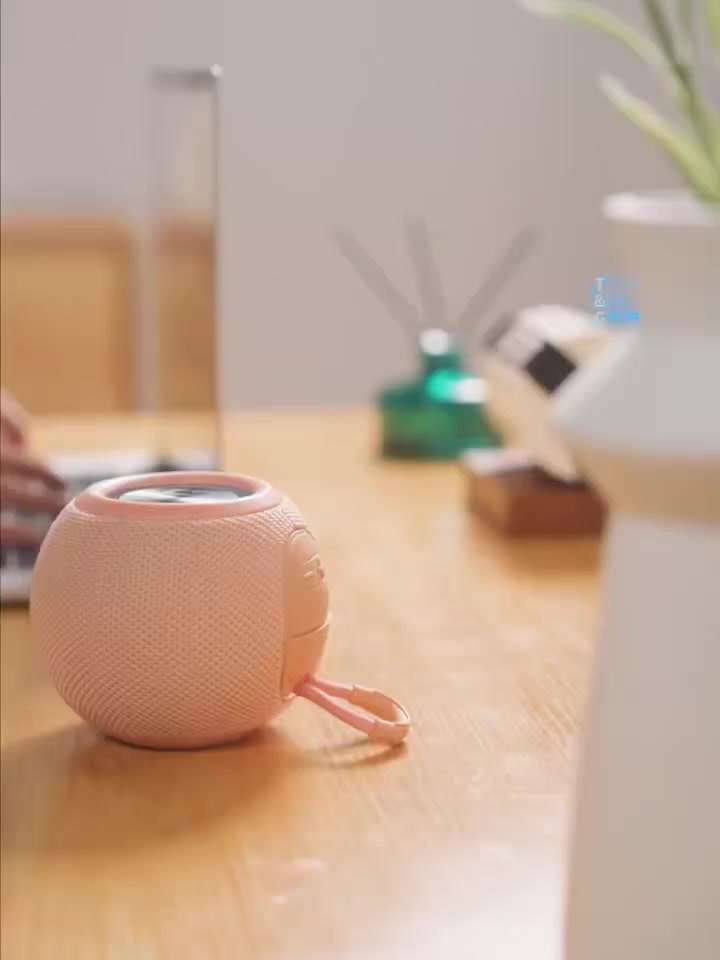
怎麼選:依你的使用情境決定優先順序
- 只想要低音爽、放在單點:優先看重低音與振膜音效,通常體驗差異最快。
- 常在桌邊聽人聲、想要清楚分離:可更留意立體聲/聲像表現,並注意擺放角度。
- 常辦小聚、想要更開闊:如果你願意添購第二台,TWS 串聯會更有感。
FAQ:你可能會問的三個選購疑問
Q1:重低音是不是越大聲越好?
不一定。低音好聽更在於「厚度與控制」,音量過大反而可能讓聲音變渾。你可以用中等音量測試低頻是否仍清楚。
Q2:TWS 串聯一定會讓低音更好嗎?
TWS更直接提升的是聲場與左右分離感;低音厚度仍取決於單台的重低音設計與播放來源。
Q3:插卡播放會不會影響音質?
通常差異更多來自音樂檔案本身與編碼方式。若你用同一份音樂檔案測試,體感會更可比較。
如果你有類似需求,可以進一步看看這類商品的規格與評價
你可以先想清楚自己最在意的是低頻量感、聲像分離,還是想要更寬的聲場。把優先順序對照規格與使用者回饋,選到的機率會更高。
📊 為什麼這類設計越來越常見
近年不少產品都朝向「降低變數」的方向設計,也就是讓使用者在不同環境下都能得到接近的結果。這也是為什麼某些功能會逐漸變成標準配置,而不是額外選項。
English Version
Choosing a Bluetooth Speaker: Bass, Stereo Sound, and TWS Pairing Explained
Not all Bluetooth speakers deliver the same kind of “good sound.” The differences often come from three areas: bass impact, stereo/stage perception, and whether TWS pairing is available. This comparison helps you decide what to prioritize based on how you actually listen.
Three listening goals, three corresponding features
Bass impact is tied to the speaker’s low-frequency design. Stereo/stage perception relates to how sound is separated and positioned. TWS pairing is the most direct way to widen the soundstage by splitting left and right channels across two units.
Why stereo feel often needs two speakers
Stereo perception relies on differences between left and right signals. With a single speaker, sound originates from one point, limiting directional cues. With TWS, two speakers placed apart provide clearer directional and timing differences—making the soundstage feel wider.
A practical way to compare: test with the same track
Use the same familiar song when comparing models, especially tracks with clear bass lines and well-layered vocals/instruments. Comparing different songs can hide the real differences.
Choose based on your real scenarios
If you want punchy bass at a single spot, prioritize bass performance. If you care about vocal clarity and separation, focus on stereo/stage behavior. If you host gatherings and want a wider field, TWS pairing becomes more valuable.