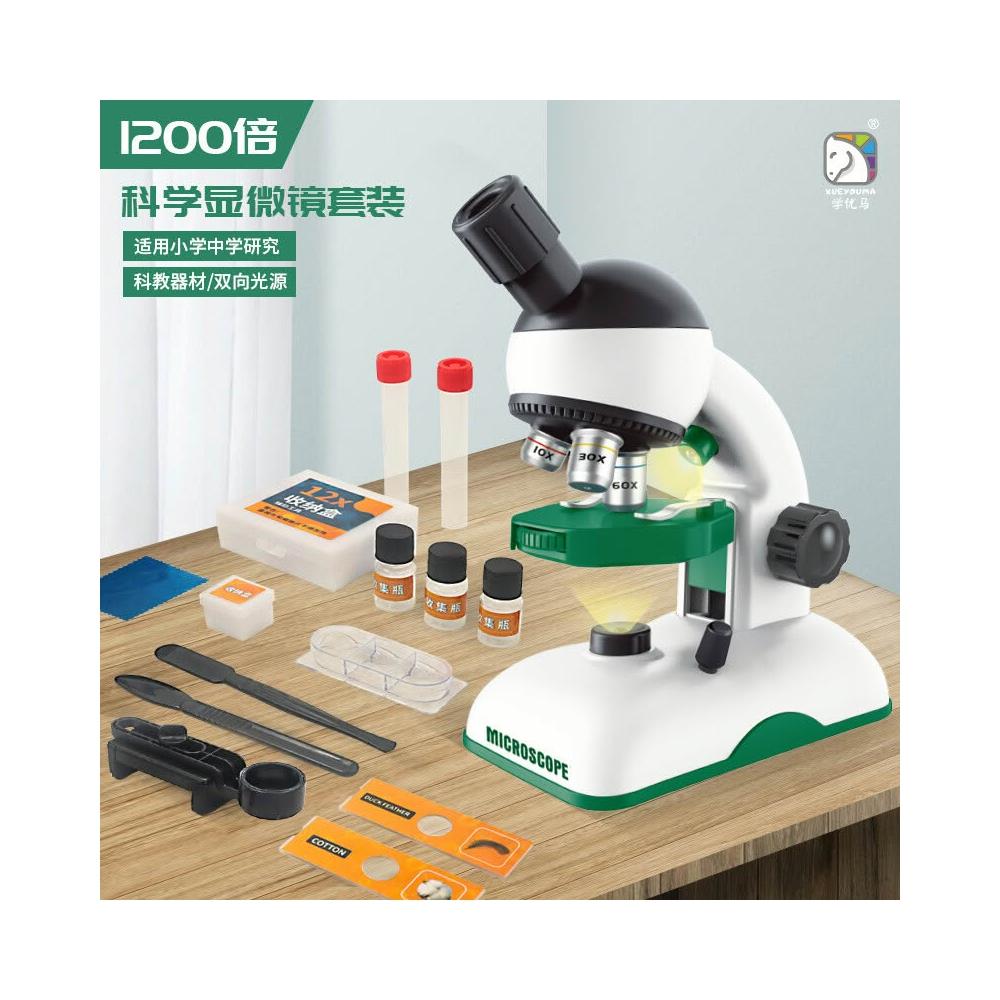
第一次用光學顯微鏡就不想放棄:臺式生物觀察的對焦與觀察步驟教學
你可能也遇過:孩子把玻片放上去,眼睛盯著目鏡,手卻不知道該往哪裡轉。結果不是「完全看不到」,就是「看到了又消失」。✅ 這篇把臺式光學顯微鏡的生物觀察拆成幾個好執行的步驟,讓第一次上手也能順。
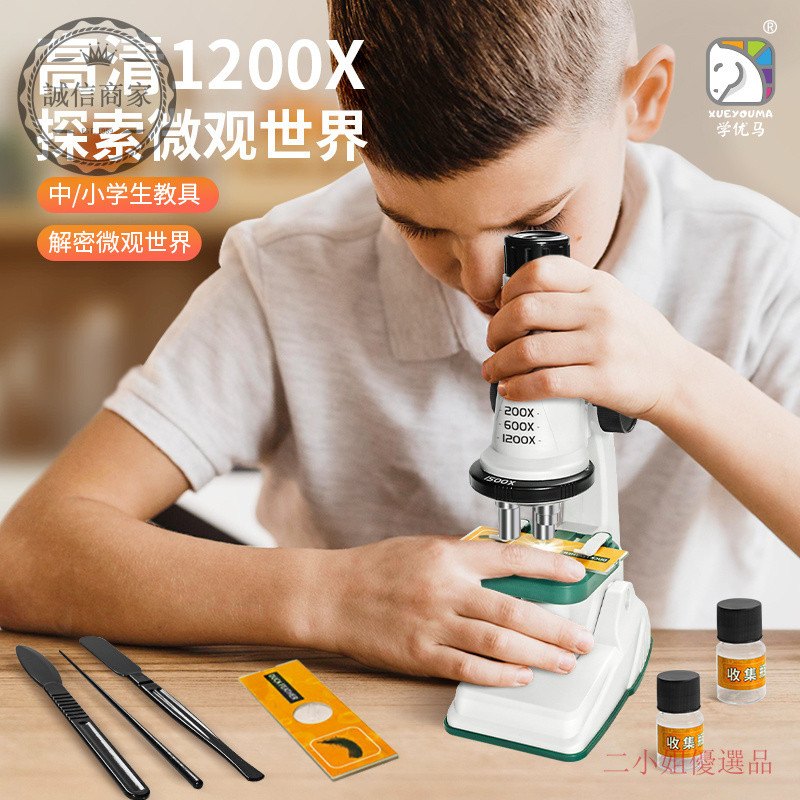
先做對的事:把「對焦」變成可重複的動作
對焦的核心不是轉得越快越好,而是循序漸進。你可以用這個順序帶孩子做:
- 從低倍開始:先找到樣本的「大方向」。
- 慢慢調整對焦:每次只轉很小幅度,等畫面穩定再停。
- 確認樣本位置:如果畫面突然跑掉,先回到低倍把樣本找回來,再往上調。
- 再提升細節:當輪廓清楚,再嘗試更高倍率。
簡單來說,低倍倍率通常視野較大、容錯較高。可以想像成你先用「廣角」找到目標,再用「望遠」看細節。當你在低倍先建立位置感,後續調整就不會一直在找不到樣本的狀態裡打轉。
光學顯微鏡的成像也會受到光線與對焦影響。你可以把它想成「要讓光走對路徑」:光線太強或太弱、對焦沒到位,都會讓影像看起來像霧。
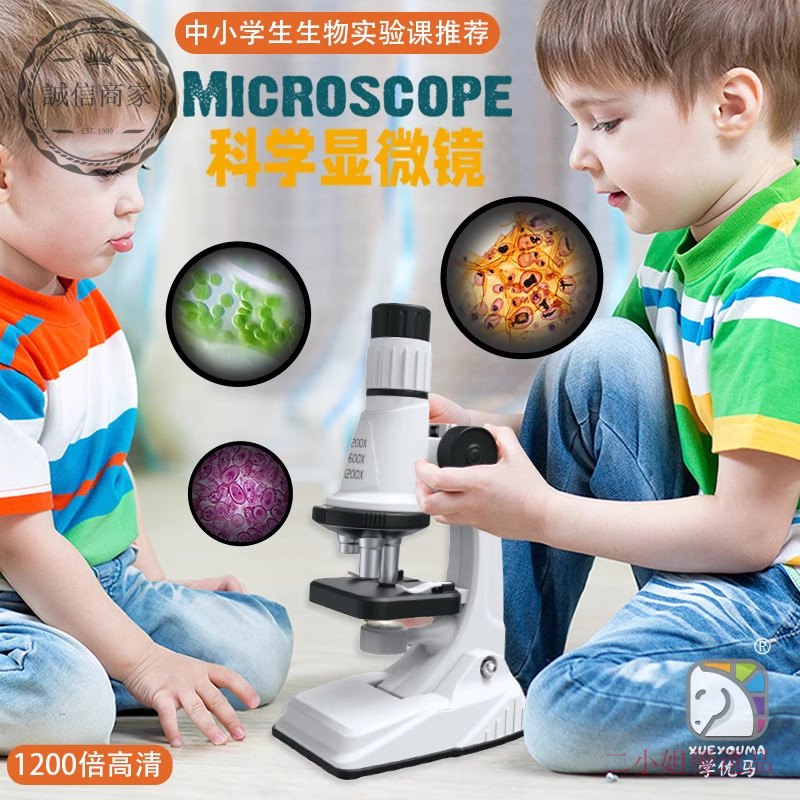
生物觀察的 5 個常見卡點與處理方式
- 卡點 1:只看到一片亮、沒有形狀
處理:先回到低倍,重新對焦到輪廓,再慢慢調整。 - 卡點 2:看到一瞬間又消失
處理:先把樣本位置固定住,再進行細部調整。 - 卡點 3:怎麼轉都不清楚
處理:檢查是否還在同一個區域觀察;很多時候是樣本跑掉而不是對焦失效。 - 卡點 4:孩子覺得「我看不懂」
處理:改用「描述」取代「判斷」,例如先說形狀與移動方式。 - 卡點 5:觀察時間太短就結束
處理:設定小目標,例如只完成一次低倍找到輪廓。
帶有依據感的提醒:為什麼要重複觀察同一樣本?
教育與學習的常識是:操作技能需要練習才能穩定。顯微鏡的「手眼協調」也一樣。你讓孩子重複同一個樣本,會更快建立對焦與定位的感覺,觀察內容也更容易越看越清楚。
如果你有類似需求,可以進一步看看這類商品的規格與評價
你可以把選購重點放在「臺式穩定、對焦體驗是否順手、是否適合生物觀察教學」。目前資料未提供完整規格,建議在選購頁面核對實際配件與使用說明,才能更貼近你家孩子的學習節奏。
💡 原理小知識
許多日常用品其實背後都有基本的運作邏輯,例如透過密封、隔離或結構設計來提升效率。可以想像成把原本分散的影響因素集中管理,因此在實際使用上會更穩定。
English Version
Don’t Give Up on Your First Optical Microscope: A Desktop Biology Observation Guide to Focusing & Steps
Kids usually get stuck on focusing and keeping the sample in view. This article turns desktop optical microscope biology observation into a step-by-step routine you can follow at home, with simple principle explanations so the process feels doable from day one.
Make focusing a repeatable routine
Start at low magnification, focus slowly in small steps, confirm the sample position, then increase detail only after the outline is stable. This reduces the “I can see it for a second but then it disappears” problem.
Principle in plain language: why low power first works
Low power usually offers a wider field of view and higher tolerance. It’s like using a wide-angle lens to find the target first, then switching to a tighter view for details. Optical images depend on both focus and light path.
Common issues and what to do next
If you only see brightness, return to low power and refocus. If the image vanishes, the sample likely moved—re-locate first. If nothing becomes clear, check whether you’re still observing the same area rather than assuming the focus mechanism failed.
Why repeating the same sample helps learning
Hands-on skills improve with repetition. Re-observing the same sample builds coordination between eye and hands, making focusing and positioning easier over time—so observation becomes more meaningful.