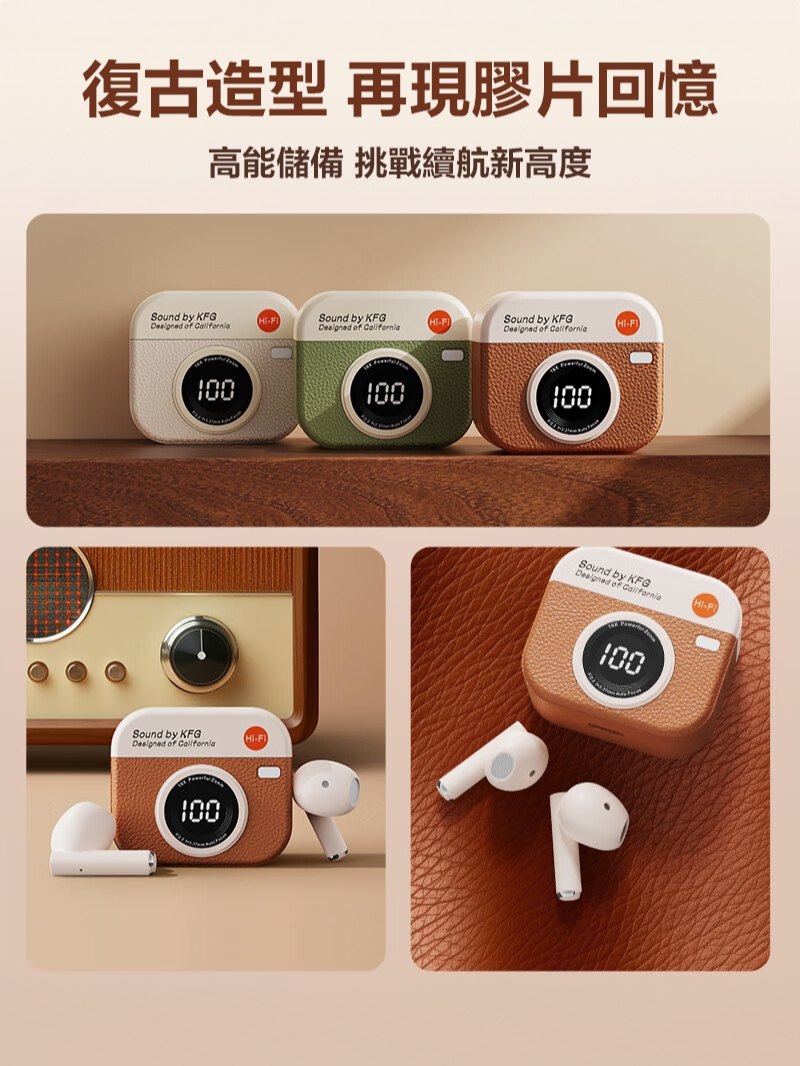
新手也能快速上手:數顯無線藍芽耳機的配對、降噪與延遲怎麼用才順
無線藍芽耳機看似簡單,但真正用起來會遇到幾個重複問題:配對後連線不穩、降噪開了反而悶、看影片時時間差不舒服。以這款 數顯無線藍芽耳機來說,因為有數顯電量資訊,日常管理更好做;再搭配降噪與低延遲取向,通常更容易找到「戴上就順」的狀態。
步驟1:配對前先做一次「清單整理」
如果你同時用多支手機或平板,藍牙裝置清單可能會累積。建議你先確認:目前耳機是否已連線到其他裝置;若有,先在其他裝置上取消連線。這樣做的原因很直覺:藍牙連線像是「搶座位」,裝置越多越容易互相干擾。
步驟2:用數顯確認充電與狀態,避免「其實沒電」
新手常見狀況是:以為耳機有電、結果連線斷斷續續。數顯電量能讓你更快判斷是否需要先充電。依據不少使用者的經驗,當電量不足時,連線穩定性與聲音表現都可能變得不理想;先把電量補齊,通常能立刻改善。
步驟3:降噪怎麼選?用「環境噪音」決定
降噪不是越強越好,而是要看你在哪裡。通勤或人多的地方,降噪能降低背景雜訊;在室內安靜空間,若你覺得聲音太悶,可以把降噪調整到更自然的狀態。簡單說:降噪像是把窗戶關小一點,太大力會讓你覺得悶,剛剛好就能把注意力留在聲音上。

步驟4:低延遲怎麼感覺到?用「追劇測試」最快
低延遲通常在影音同步時最有感。你可以用一段有嘴型的影片快速測試:如果你覺得畫面與聲音更貼合,代表延遲表現較佳。可以想像成訊號傳輸的「路程時間」更短,讓大腦接收到的時間差更一致。
步驟5:相機耳機需求也能一起顧到
如果你有用手機拍照或錄影,耳機在某些情境下能作為更方便的操作配件。你可以先確認你手機的藍牙功能是否支援相關控制,並在安靜環境測試一次,避免錄影時因連線不穩而影響拍攝節奏。
常見FAQ
Q1:數顯一定要看嗎?
不是每個人都會一直盯著,但在你需要長時間聽音或通勤的情境,數顯能幫你更好安排充電時間,降低中途沒電的機率。
Q2:降噪開了覺得悶怎麼辦?
可以先從你所在環境的噪音程度調整。安靜環境通常不需要太強的降噪,讓聲音更自然會更舒服。
Q3:為什麼有時候延遲感覺變明顯?
除了耳機本身,訊號環境也會影響體感。像是人多擁擠、手機與耳機距離變遠、或同時有多裝置干擾,都可能讓同步感變差。你可以先把手機靠近、並確保沒有其他裝置搶連線。
如果你有類似需求,可以怎麼繼續了解?
你可以把這篇的配對與測試流程套用到你手上耳機,並留意不同模式下的舒適度。若你正在比較多款藍牙耳機,也可以再看看「電量顯示、降噪取向與延遲表現」這三件事怎麼在不同產品上落差。
💡 原理小知識
許多日常用品其實背後都有基本的運作邏輯,例如透過密封、隔離或結構設計來提升效率。可以想像成把原本分散的影響因素集中管理,因此在實際使用上會更穩定。
English Version
Beginner-friendly guide: pairing, noise reduction, and low-latency tips for a digital-display Bluetooth earbud
First-time Bluetooth earbud users often wonder how to pair reliably, whether to turn on noise reduction, and how to avoid noticeable audio delay. This guide walks through practical, everyday steps tailored to a digital-display wireless Bluetooth earbud—so you can get comfortable faster. 💡
Pre-pairing: clean up competing connections
If you use multiple devices, Bluetooth lists can accumulate. Before pairing, confirm the earbud isn’t still connected to another device. Think of it like seats—too many devices trying to connect can cause instability.
Use the digital display to avoid low-battery surprises
New users sometimes assume the earbud has enough charge, then experience dropouts. A clear battery display helps you decide whether to charge first. Many users report that low battery can affect connection stability and overall sound behavior.
Noise reduction: choose based on your environment
Noise reduction works best when background noise is high. In quiet indoor spaces, overly strong noise reduction can feel “too closed.” A simple way to think about it: it’s like adjusting how much you let outside sound in.
Low latency: do a quick “binge test”
Low latency is easiest to notice with mouth-sync video clips. If the audio feels closer to the video timing, latency performance is likely better. You can imagine it as reducing the “travel time” of the audio signal.