新手也能刷得均勻:寬頭牙刷的「角度+節奏」教學
你可能遇過這種狀況:刷牙時覺得每次都「刷到一半就換邊」,結果牙縫或牙齦邊緣總覺得沒照顧到。其實寬頭牙刷的設計就是為了讓你更容易覆蓋,但前提是用對角度與節奏。📌
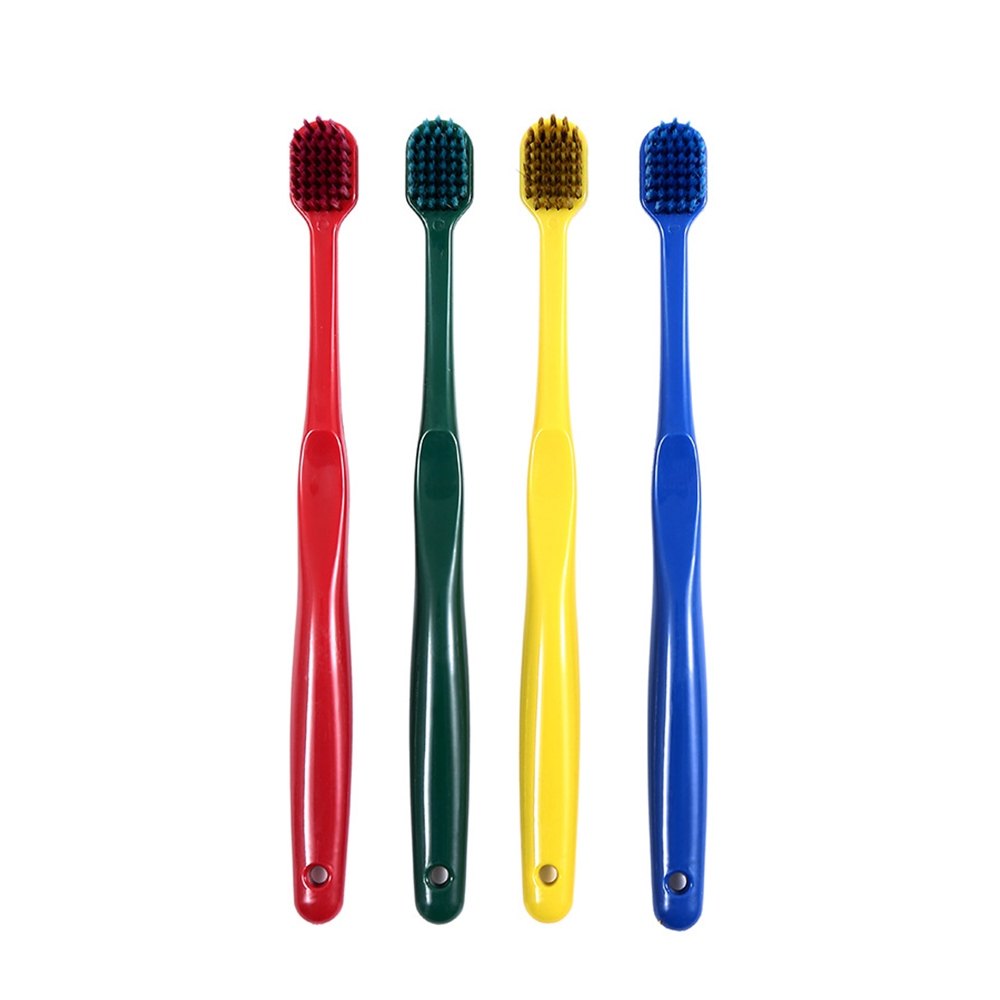
✅ 用寬刷面時,重點是「讓刷毛貼合」而不是用力推。
Step 1:力度先降下來
先把手上的力道放輕。軟毛牙刷的工作方式比較像「溫柔摩擦+刷毛接觸」,不是用硬度去刮。你可以想像成擦桌子:越用力不一定越乾淨,反而可能讓表面更受刺激。牙科衛教也常提醒:過度用力可能增加牙齦敏感與磨耗風險,所以從輕開始更符合口腔的需求。
Step 2:角度抓 45 度,讓雙層毛做事
把刷毛朝向牙齦邊緣,讓刷毛能同時接觸到牙面與牙齦附近。寬頭牙刷因為刷面較大,你不需要每次都「找很小的點」,只要讓刷毛貼合,雙層毛就能在同一區域提供更細緻的接觸感。簡單來說:角度對了,清潔就更容易均勻。
Step 3:節奏用「短停留+小範圍」
建議你把口腔分成幾個小區塊(例如上排左/右、下排左/右),每個區塊用短停留的方式刷過。寬刷面會讓你更快覆蓋到位;而高密度刷毛能提升接觸面積,讓你不必用長距離來回拉扯。這種做法也比較不容易因為趕時間而漏掉牙縫邊緣。
帶有依據感的小提醒:為什麼你會覺得「刷不乾淨」?
- 常見原因是刷牙角度不足,牙齦邊緣與牙縫沒有被刷毛有效接觸。
- 另一個原因是力度過大導致刷毛變形或滑走,反而降低接觸效率。
- 如果你使用的牙刷刷面太小,容易在換區時漏掉中間區域。
FAQ:用寬頭牙刷要注意什麼?
Q1:寬頭牙刷是不是更難控制?
其實寬頭更適合「貼合」而不是「大幅度來回」。你可以先從小區塊開始,讓刷毛穩定接觸,會比想像中好上手。
Q2:雙層毛需要特別刷法嗎?
不需要複雜技巧。重點是讓刷毛貼合牙齦邊緣,並用短停留與小範圍節奏,讓不同層次的刷毛完成各自的接觸。
Q3:牙齦敏感的人可以用嗎?
若你本來就偏敏感,軟毛通常更友善。仍建議你從輕力開始,並觀察刷完後的舒適度;若有不適,最好再調整刷法或諮詢牙科專業。
如果你想把刷牙做得更穩…
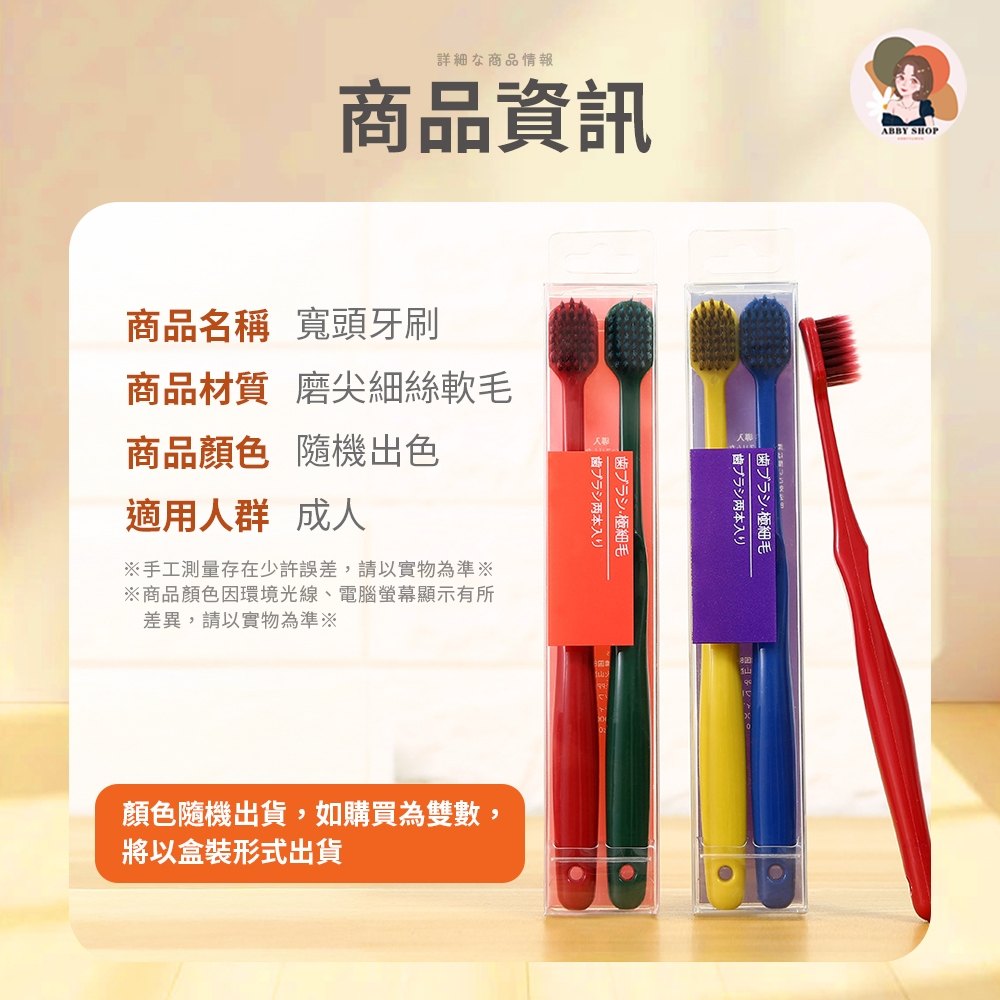
你可以把這套「輕力度+45 度+小區塊節奏」當成日常練習。若你也在找適合自己口腔狀態的牙刷規格與使用心得,不妨再看看這類《刷力溫和》寬頭牙刷的評價與刷毛設計差異。⭐
💡 原理小知識
許多日常用品其實背後都有基本的運作邏輯,例如透過密封、隔離或結構設計來提升效率。可以想像成把原本分散的影響因素集中管理,因此在實際使用上會更穩定。
English Version
A Beginner-Friendly Guide to Brushing Evenly: Angle & Rhythm with a Wide-Head Toothbrush
Brushing isn’t hard—what’s hard is knowing how to use a wide brush head effectively. This guide walks you through simple angles, gentle pressure, and a practical rhythm, so the dual-layer bristles can clean more evenly and comfortably. 💡
Start with lighter pressure (the simple reason)
Soft bristles work through gentle contact and brushing action, not by harsh scrubbing. Think of it like wiping a surface: more force doesn’t always mean better results, and it can irritate sensitive areas. Many dental guidelines also emphasize that excessive pressure may increase gum irritation and wear.
Use the right angle so the bristles can reach
Aim the bristles toward the gumline (around a 45-degree approach) so they can contact both the tooth surface and the gum-adjacent area. With a wide brush head, you don’t need to chase tiny spots—just keep the bristles seated and let the dual-layer structure do its job.
Choose a rhythm: short pauses in small sections
Divide your mouth into small zones (upper left/right, lower left/right). Brush each zone with short pauses rather than long, aggressive back-and-forth strokes. A wider surface helps you cover more area quickly, while dense bristles support more even contact.
FAQ for wide-head brushing
Wide heads are easiest when you focus on contact rather than big sweeping motions. Dual-layer bristles don’t require complicated techniques—proper angle and gentle, consistent contact are the key. For gum sensitivity, soft bristles are usually more comfortable; if discomfort persists, consider adjusting technique or seeking professional advice.