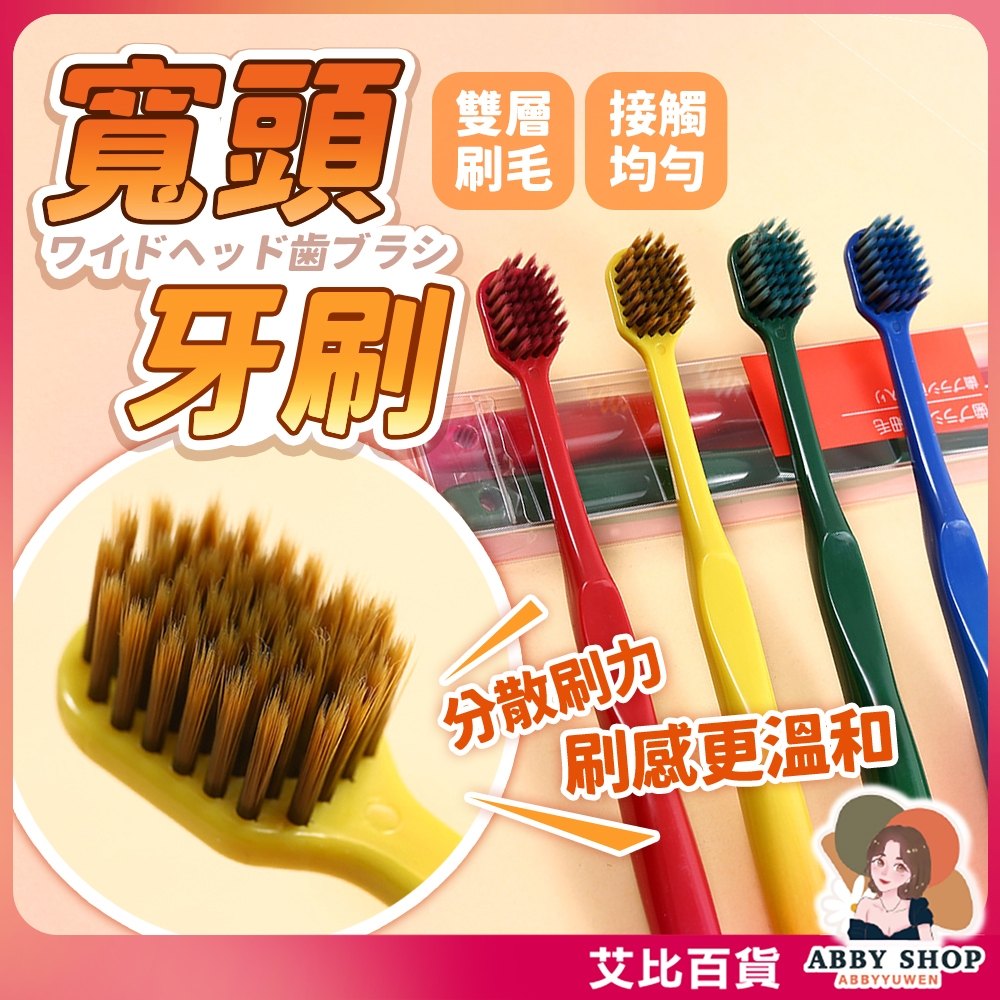
寬頭牙刷 vs 一般窄頭:雙層毛構造到底差在哪?
很多人換牙刷時會卡在同一個問題:刷毛看起來都差不多,為什麼有人覺得「寬頭更乾淨」、有人覺得「窄頭更好控制」?其實差異通常來自刷面覆蓋效率、刷毛接觸方式,以及你在口腔裡的操作習慣。📌
比較 1:覆蓋效率(為什麼寬頭更省時間)
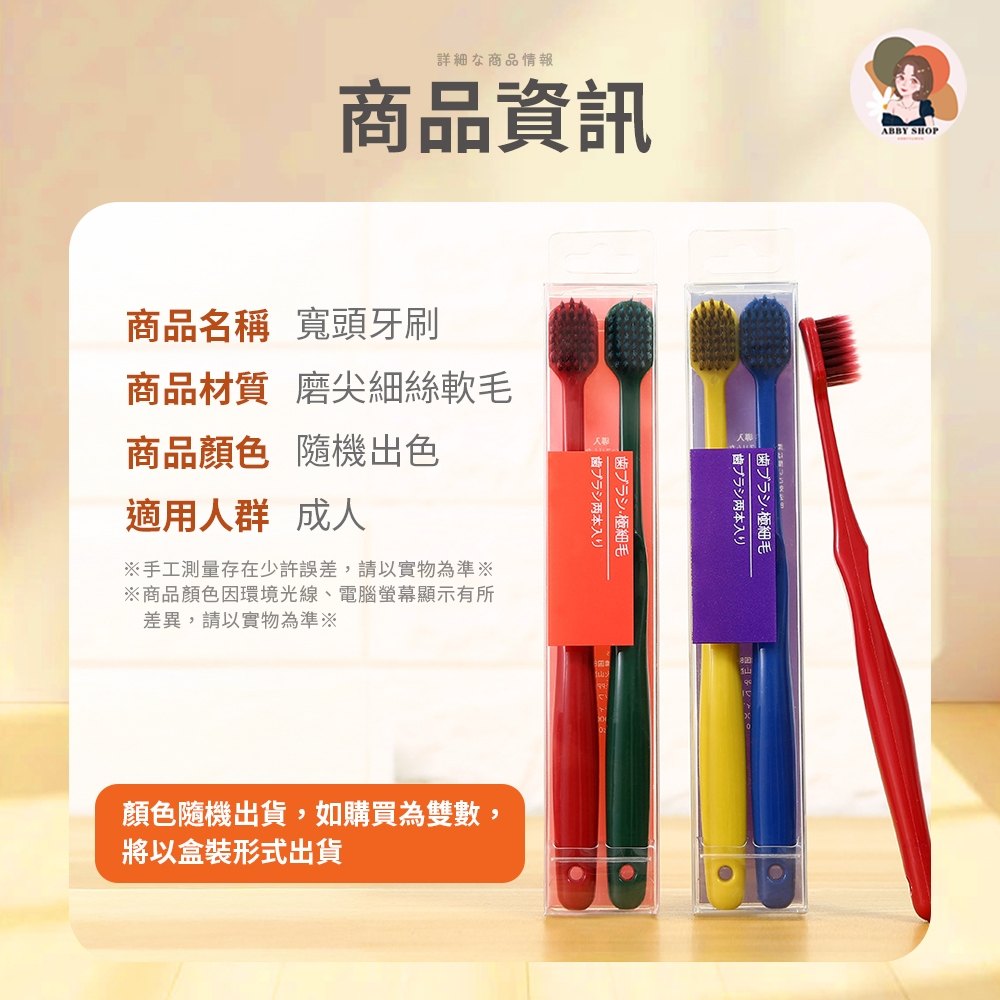
寬頭牙刷的刷面較大,意味著你每一次把刷毛貼上牙面時,覆蓋範圍更廣。可以想像成「用更大的滾筒上漆」:同樣時間內能刷到更多區域。當你容易漏刷或趕時間時,寬刷面通常更容易讓清潔變得均勻。
比較 2:牙縫與邊緣接觸(雙層毛的角色)
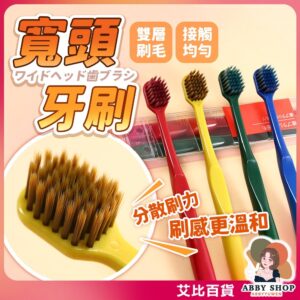
雙層毛構造的設計目的,是讓刷毛在同一時間提供不同層次的接觸。一般窄頭牙刷也可能有細毛,但寬頭搭配雙層毛時,你更容易在不過度用力的前提下,把刷毛帶到牙齦邊緣與牙縫附近。牙科衛教常提到「溫和接觸」的重要性,因為過度用力可能造成刺激;因此刷毛設計與操作效率一起影響體感。
比較 3:手感與操作習慣(你會選哪個?)
| 面向 | 寬頭牙刷(《刷力溫和》) | 一般窄頭牙刷 |
|---|---|---|
| 覆蓋效率 | 每次貼合覆蓋較大,較適合趕時間或容易漏刷的人 | 覆蓋範圍較小,適合喜歡精準控制的人 |
| 牙縫/邊緣接觸 | 雙層毛+寬刷面,較容易把刷毛帶到牙齦邊緣 | 細毛設計若足夠,也能做到,但需要更頻繁換區 |
| 使用體感 | 軟毛搭配高密度刷毛,通常更偏溫和、穩定 | 手感更靈活,但也更容易因角度不對而漏刷 |
FAQ:我該選寬頭還是窄頭?
Q1:我口腔比較小、會不會不適合寬頭?
如果你覺得寬頭不好操作,可以先用小區塊方式刷,並留意刷毛是否能貼合牙面。多數人會在幾天內找到適應節奏。
Q2:寬頭是不是更容易刷到牙齦?
寬頭確實更容易覆蓋到牙齦附近,但關鍵在於力度與角度。軟毛設計通常更能支撐溫和接觸;若你用力過大,任何牙刷都可能造成刺激。
Q3:雙層毛一定更好嗎?
雙層毛的目標是改善接觸層次與清潔均勻度,但實際效果仍取決於刷牙角度、時間與個人口腔狀態。你可以把它當成「更容易達到均勻接觸」的設計。
想更精準選擇的話…
如果你常覺得自己刷得很努力卻仍覺得漏牙縫,寬頭+雙層毛的思路通常更符合「覆蓋效率」。你也可以再對照不同牙刷的刷面寬度與刷毛密度,看看哪一種更貼近你的刷牙習慣與舒適度。⭐
📊 為什麼這類設計越來越常見
近年不少產品都朝向「降低變數」的方向設計,也就是讓使用者在不同環境下都能得到接近的結果。這也是為什麼某些功能會逐漸變成標準配置,而不是額外選項。
English Version
Wide-Head vs. Regular Narrow Toothbrush: What’s the Real Difference?
If both are soft toothbrushes, you might wonder whether a wide head truly matters. This comparison looks at coverage efficiency, edge/cleft contact, and day-to-day handling—so you can choose what fits your routine. ⭐
Coverage efficiency: why wide heads can feel faster
A wider brush head covers more tooth surface per stroke. It’s like using a larger roller—within the same time, you can reach more areas. For people who often miss spots or brush under time pressure, this can make cleaning feel more even.
Dual-layer bristles: contact in different zones
Dual-layer bristles aim to provide different levels of contact at once. When combined with a wide head, it becomes easier to bring bristles toward the gumline and between teeth without relying on heavy pressure. Gentle contact is widely emphasized in dental guidance.
Handling and comfort: match the brush to your habit
Wide heads tend to support consistent coverage, while narrow heads offer more precision. If you prefer quick, broad coverage, a wide head may suit you better. If you enjoy very targeted control, a narrow head might feel more natural.
FAQ: choosing the right head width
A wide head can still work for smaller mouths if you use small-zone brushing and keep the bristles seated. The key is gentle pressure and correct angle—any toothbrush can irritate gums if you scrub too hard.