Pediatric Amblyopia Patch vs. General Eye Occlusion Patch: What’s the Real Difference?
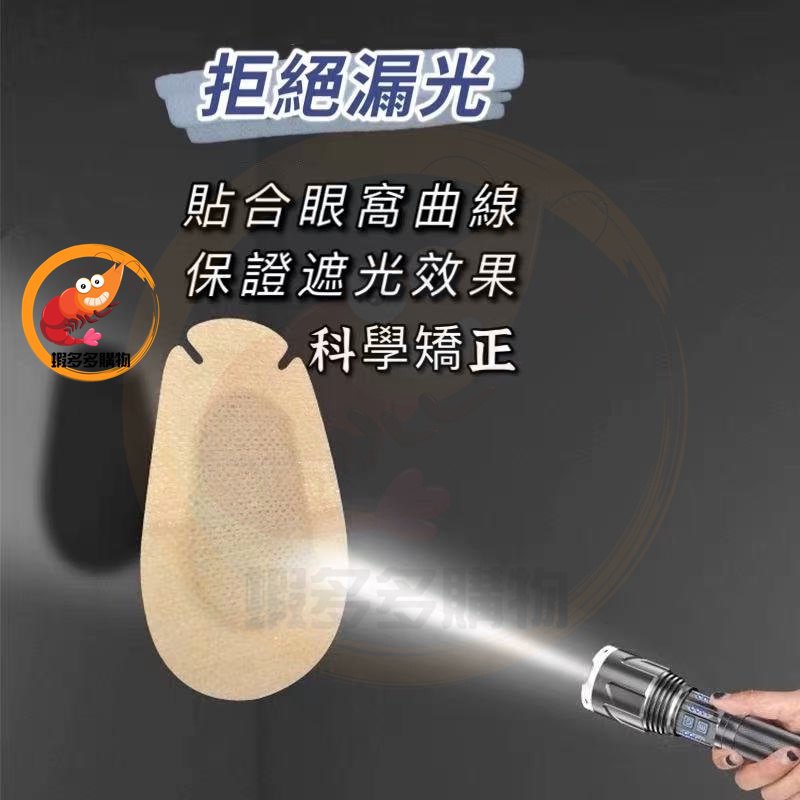
Both can “cover the eye,” but training outcomes depend on stable occlusion, anti-fatigue comfort, and suitability for amblyopia/strabismus protocols. Use this comparison to choose the right patch for better compliance.
The 5 differences that affect training
Compare stable occlusion, anti-fatigue comfort, suitability for amblyopia/strabismus or single-eye training, caregiver-friendly application, and the risk of training interruption.
Scenario-based evaluation
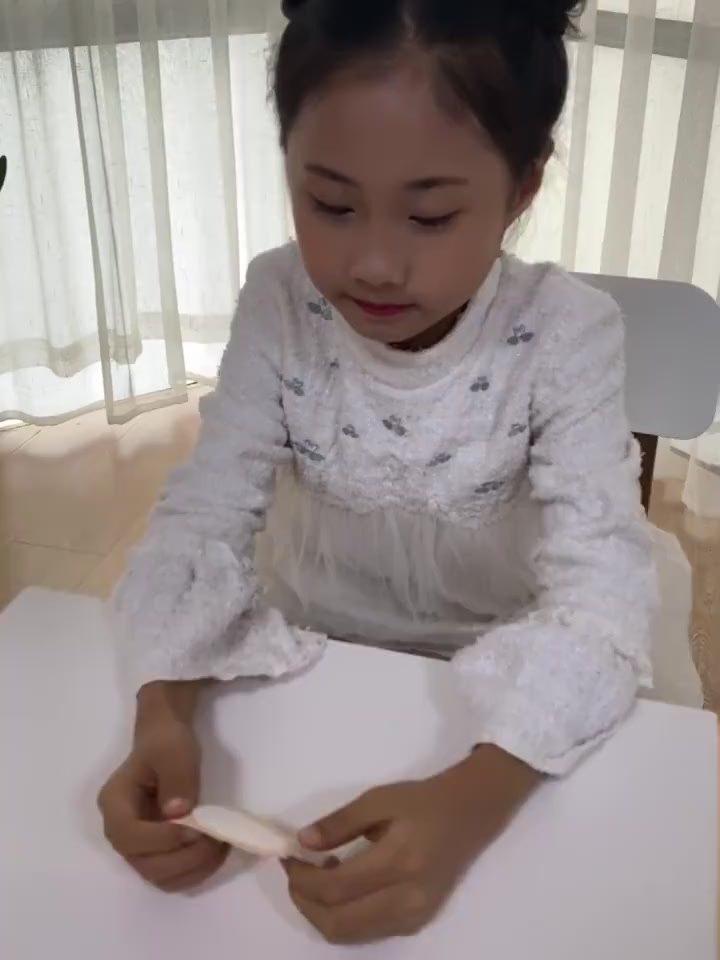
For long school hours and active kids, stable adhesion reduces edge lift. For sensitive kids, anti-fatigue comfort helps reduce rubbing and removal attempts. For specific training protocols, choose a patch aligned with the prescribed occlusion needs.
3 quick questions to decide
Ask whether edges lift easily, whether the child stays willing to wear it longer, and whether it fits the required training context (per professional guidance).
FAQ
General occlusion patches may not meet the same training-oriented requirements. For post-procedure needs, always follow medical instructions.