
English Version
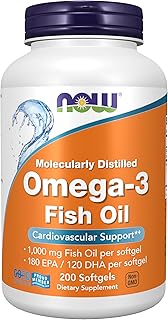
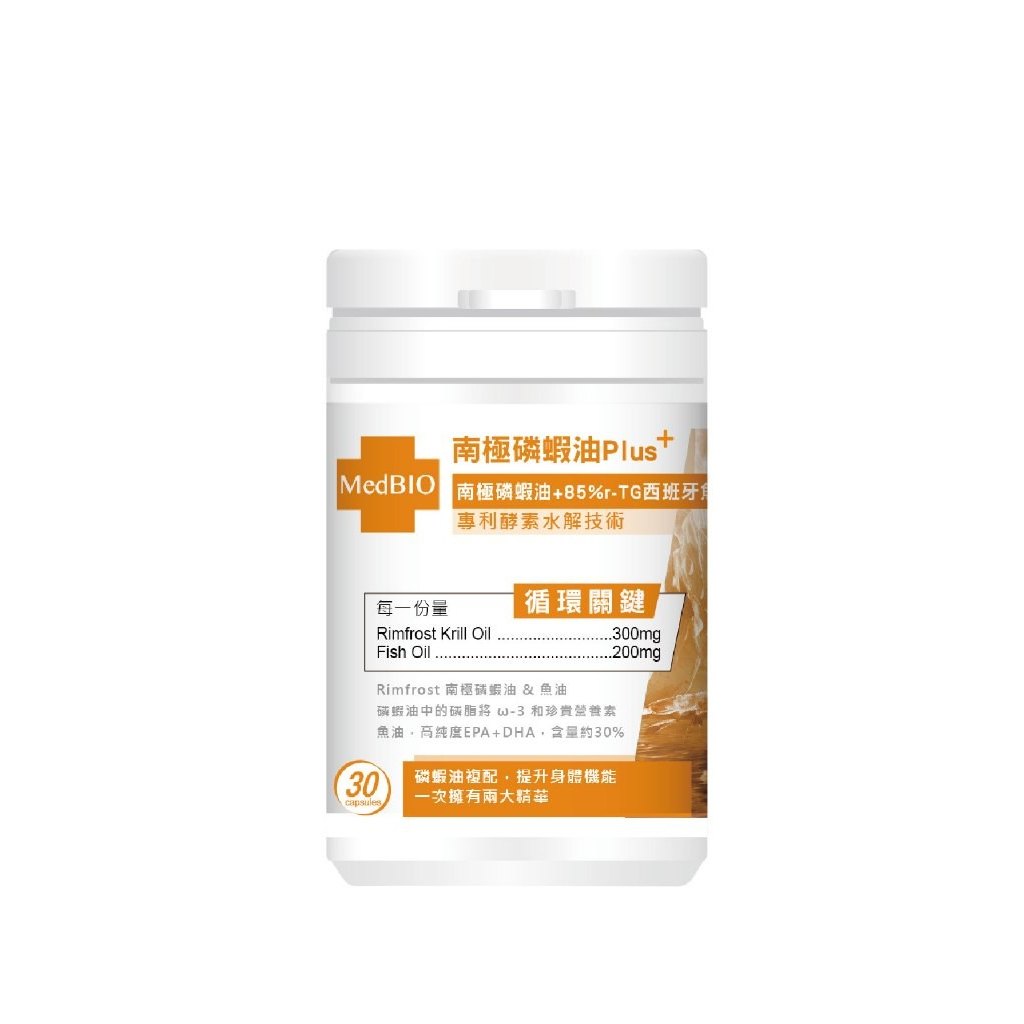
Antarctic Krill Oil vs Regular Fish Oil: How to Compare EPA/DHA and Blended Formulas (with Table)
Omega-3 products can differ in more than just EPA/DHA. This comparison explains what to check—source, label percentages, and daily-use practicality—so you can choose a formula that fits your routine.
The real comparison: not only EPA/DHA, but also formula strategy
EPA and DHA matter, but “krill oil vs regular fish oil” also involves how the formula is blended. A krill + fish oil blend may be easier to maintain as a single daily routine.
Side-by-side comparison table
Use the same checklist: main source, EPA/DHA label, blended strategy, capsule form and suggested use, and which wellness goal the product best supports.
How to choose based on your lifestyle
If you want a simpler plan you can stick to, blended formulas often help. If you already have a fish oil routine, a more targeted approach may fit better.
FAQ: common questions in omega-3 comparisons
EPA/DHA alone may not be enough—consider practicality and consistency. Blended doesn’t automatically mean better; it depends on your overall plan.