護腰靠墊怎麼調才舒服?魔鬼氈三角靠枕+立體結構的實用調整步驟
很多人第一次用護腰靠墊時會遇到同一個狀況:明明放上去了,卻覺得腰還是「空空的」或「卡卡的」。其實關鍵通常在於支撐點沒有對齊。這款 多功能護腰靠墊 有 魔鬼氈三角靠枕 與 可調節立體 的設計,你可以把它當成「可微調的支撐定位器」來用。
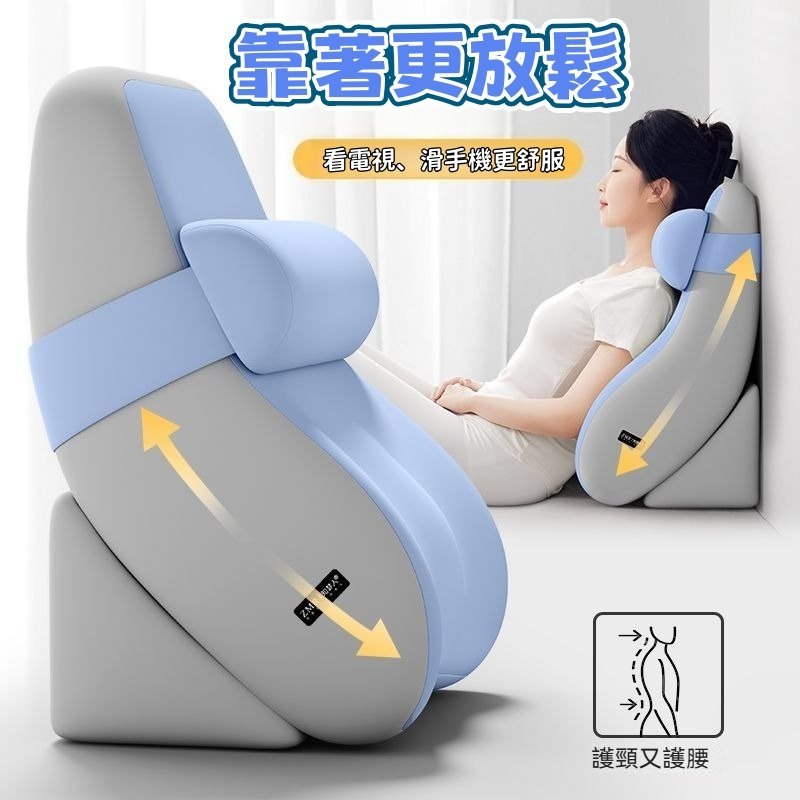
調整前先做一件事:確認你最常不舒服的位置
在開始調整前,先想一下你最常抱怨的是哪裡:是腰的下緣?還是靠近脊椎中段?或是半躺時脖子容易緊?這一步很重要,因為可調節立體的目的就是讓你把支撐面對到「你需要的那一段」。
一步步調整流程(照做就能找到方向)✅
- 先用最基本的放置位置:把靠墊放在你坐/靠的背部與腰背之間,先讓腰背有接觸。
- 用魔鬼氈三角靠枕做「高度微調」:如果你覺得支撐太低,調高一點;如果覺得頂到不舒服的位置,調低或改變角度。
- 再用可調節立體找「貼合角度」:你可以想像把靠墊調成更像椅背的曲線,而不是直直頂著。
- 最後測試 30 秒:坐著或半躺,保持原本姿勢 30 秒,觀察腰背是否更穩、肩頸是否有放鬆感。
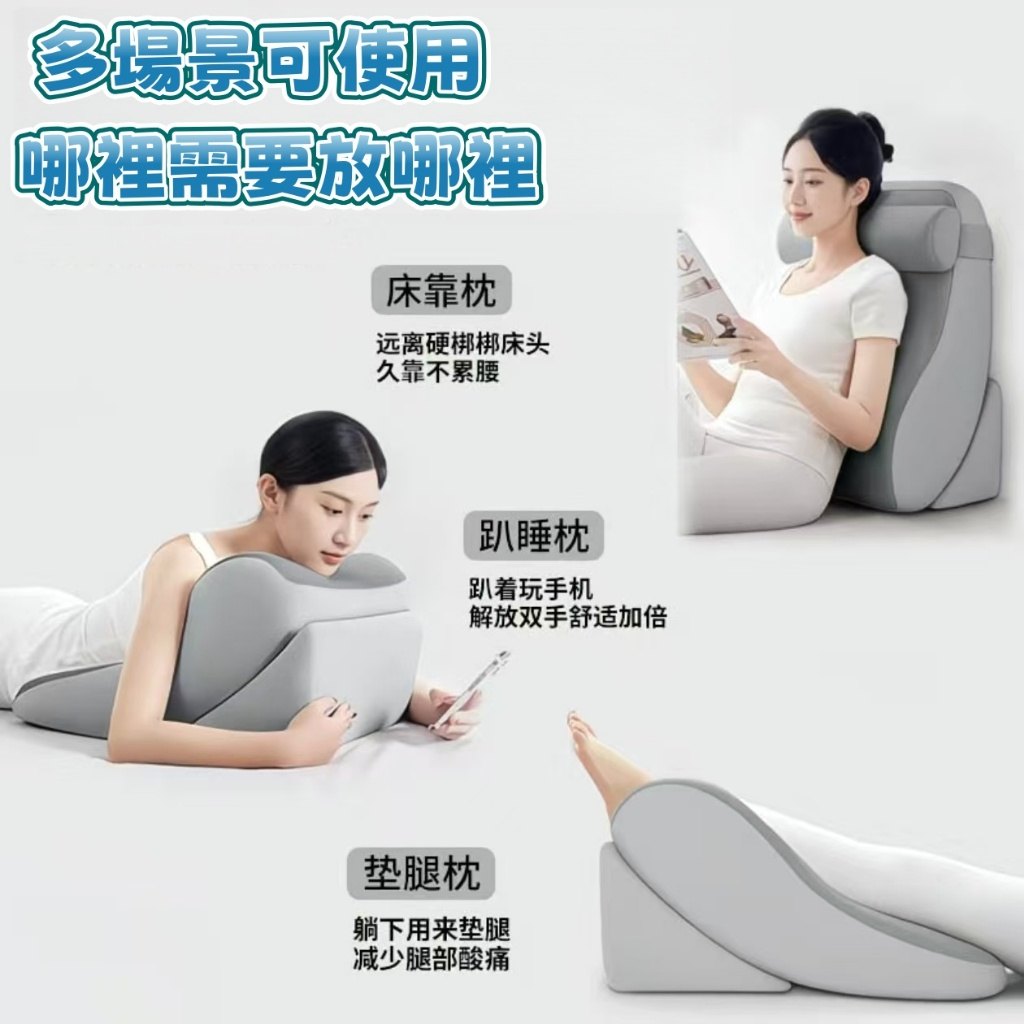
可以把腰背想成一個需要被支撐的「支點」。如果支撐點偏移,你會用其他部位去代償,像是肩頸緊、腰反而更累。硬挺支撐的設計目標是讓支撐面更穩,再透過魔鬼氈與立體結構做微調,讓支點更接近你的自然姿勢。這種「定位」的效果,通常比單純追求更軟的觸感更直接。
帶有依據感的判斷方式:你可以用這三個訊號確認是否調對
- 訊號1:腰背接觸變得更均勻:不再只有某一點被頂住。
- 訊號2:肩頸不需要一直「撐」:你會感覺上半身更省力。
- 訊號3:姿勢能維持更久:不是立刻舒服就好,而是能撐一段時間。
如果你想更精準,下一步可以怎麼做?
你可以把你常用的坐姿/半躺角度記下來,再對照商品的「可調節立體」與「魔鬼氈固定」方式。若你也在找床頭靠枕或護頸床靠背的替代方案,這類多功能護腰靠墊通常更值得用同一套流程去測試。
📦 想確認更細的結構與實際擺放方式,可以再查看商品頁面資訊,看看是否符合你家床型與使用習慣。
💡 原理小知識
許多日常用品其實背後都有基本的運作邏輯,例如透過密封、隔離或結構設計來提升效率。可以想像成把原本分散的影響因素集中管理,因此在實際使用上會更穩定。
English Version
How to adjust a lumbar cushion for comfort: practical steps with a hook-and-loop triangular design
If a lumbar cushion doesn’t seem to help, the issue is often not the product—it’s the support point alignment. This guide walks you through a simple adjustment process using the hook-and-loop triangular support and the adjustable 3D structure, so you can find a more comfortable lumbar and recline angle.
Start by identifying where you feel discomfort
Before adjusting, note whether the discomfort is in the lower back, mid-back, or neck area during semi-reclining. The adjustable 3D design works best when you aim the support toward the segment you actually feel.
A simple step-by-step adjustment process
1) Place the cushion between your back and lumbar area. 2) Use the hook-and-loop triangular piece to fine-tune height. 3) Use the adjustable 3D structure to match the angle to your posture. 4) Test for about 30 seconds and check whether your back feels steadier.
The principle behind “positioning” vs “softness”
Think of the lumbar area as a support point. If the support point is off, your shoulders/neck compensate. Firm support helps keep the contact surface steadier, while hook-and-loop adjustment lets you align the support closer to your natural posture.
How to tell if you adjusted correctly
Look for more even contact along the back, less need to “hold yourself up” with the shoulders/neck, and the ability to maintain posture longer without discomfort.