短筒雨鞋 vs 一般雨靴:怎麼選才不踩雷(防滑、防水、好搭度一次看)
📌很多人買雨靴會遇到「看起來都差不多,穿起來差很多」的落差。短筒雨鞋通常更好搭、也更適合日常通勤;但如果你的路線常遇到深一點的水窪或水花濺得更高,長筒可能更符合需求。
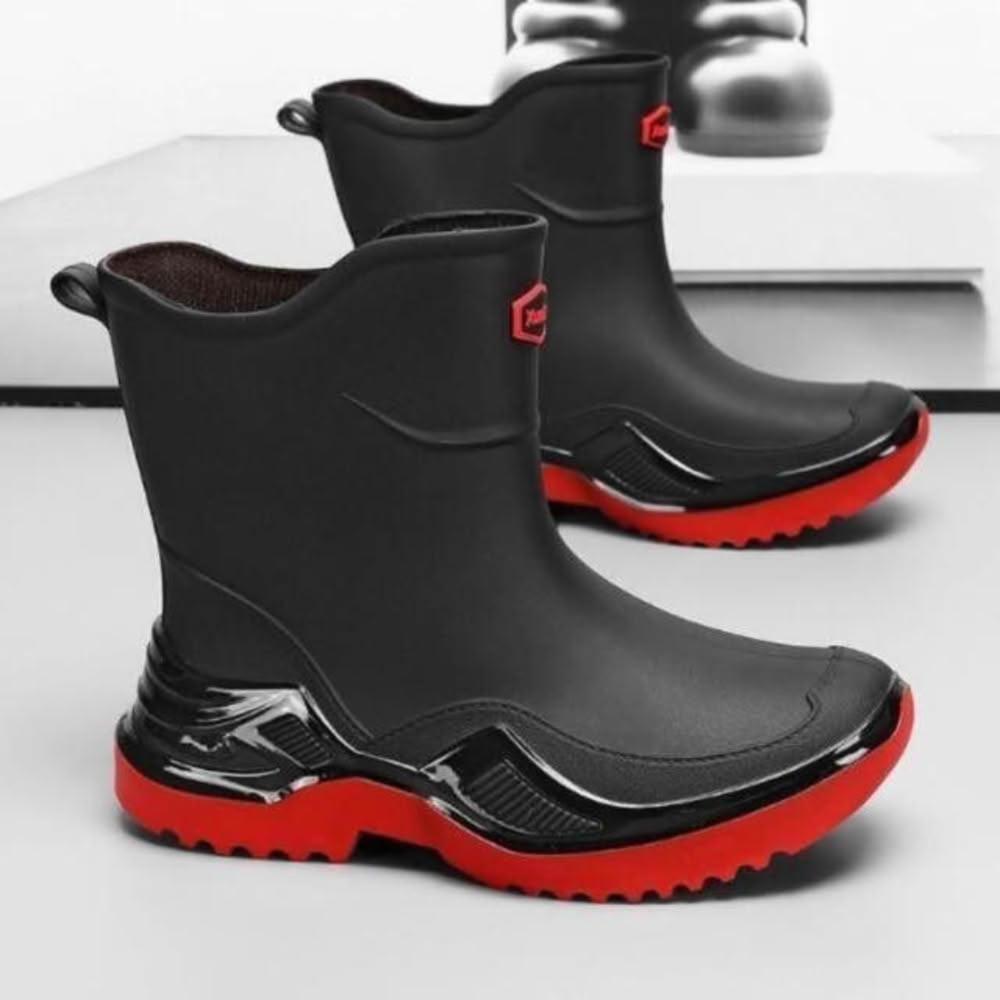
這篇用「韓系短筒雨鞋(橡膠男防滑短筒雨鞋)」作為比較核心,幫你用可驗證的角度做選擇。
快速結論:你更像哪一種?
- 通勤/外出為主、希望好搭:短筒通常更省心。
- 工作環境水氣多、需要穩定站立:防滑與好清潔更重要。
- 常遇到水花高度較高:你可能需要更高筒身的覆蓋範圍。
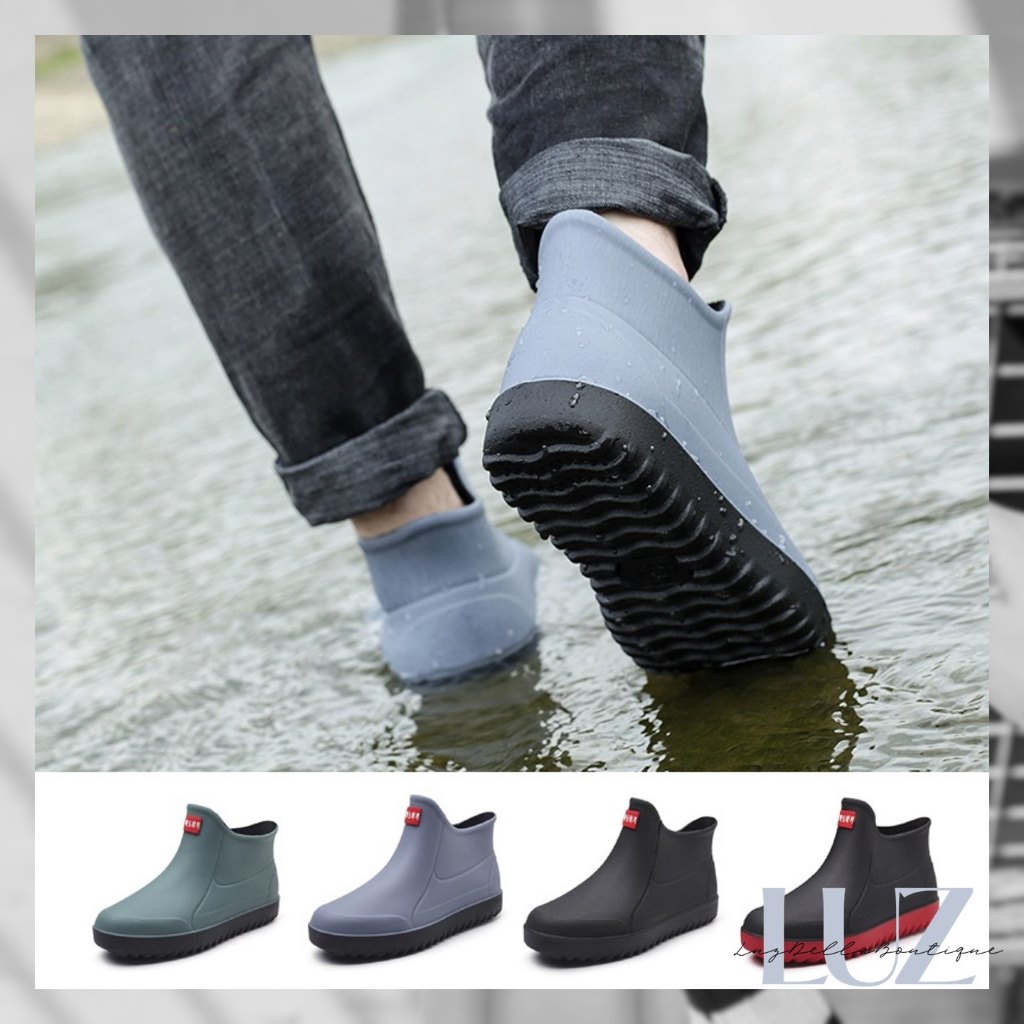
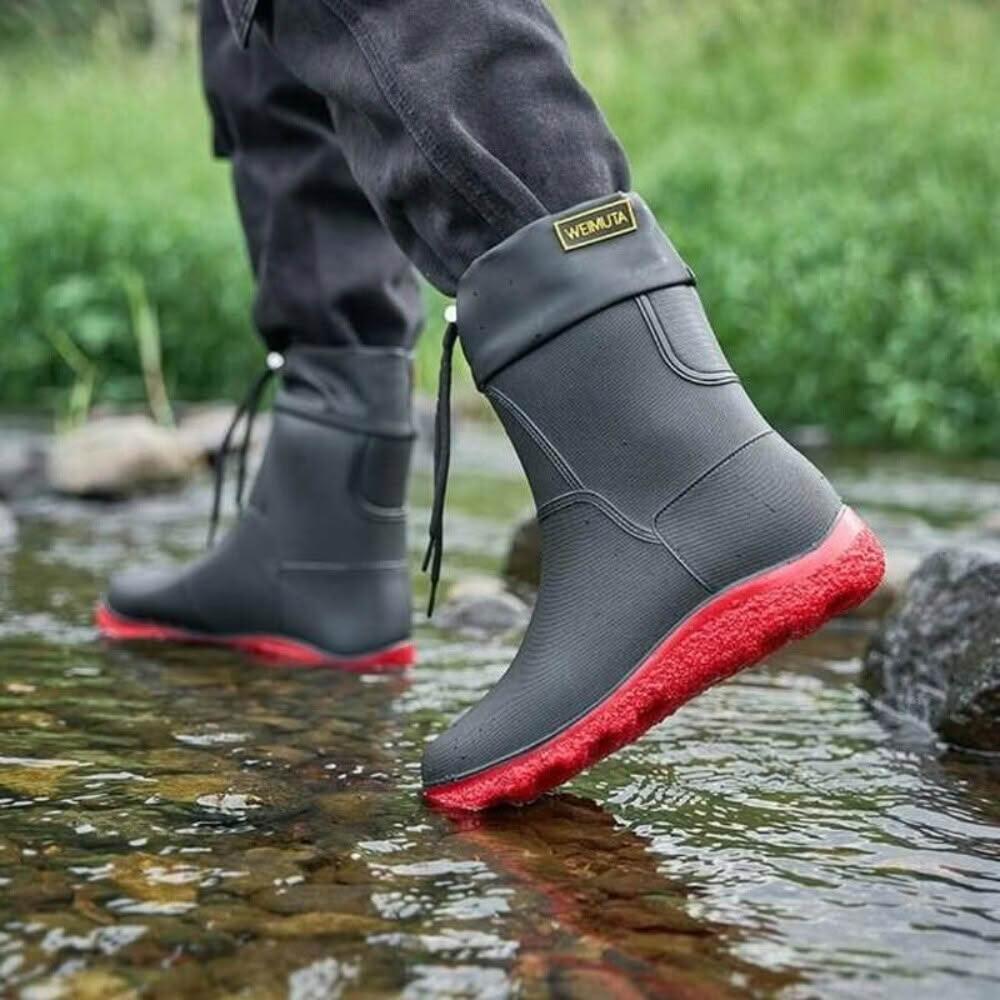
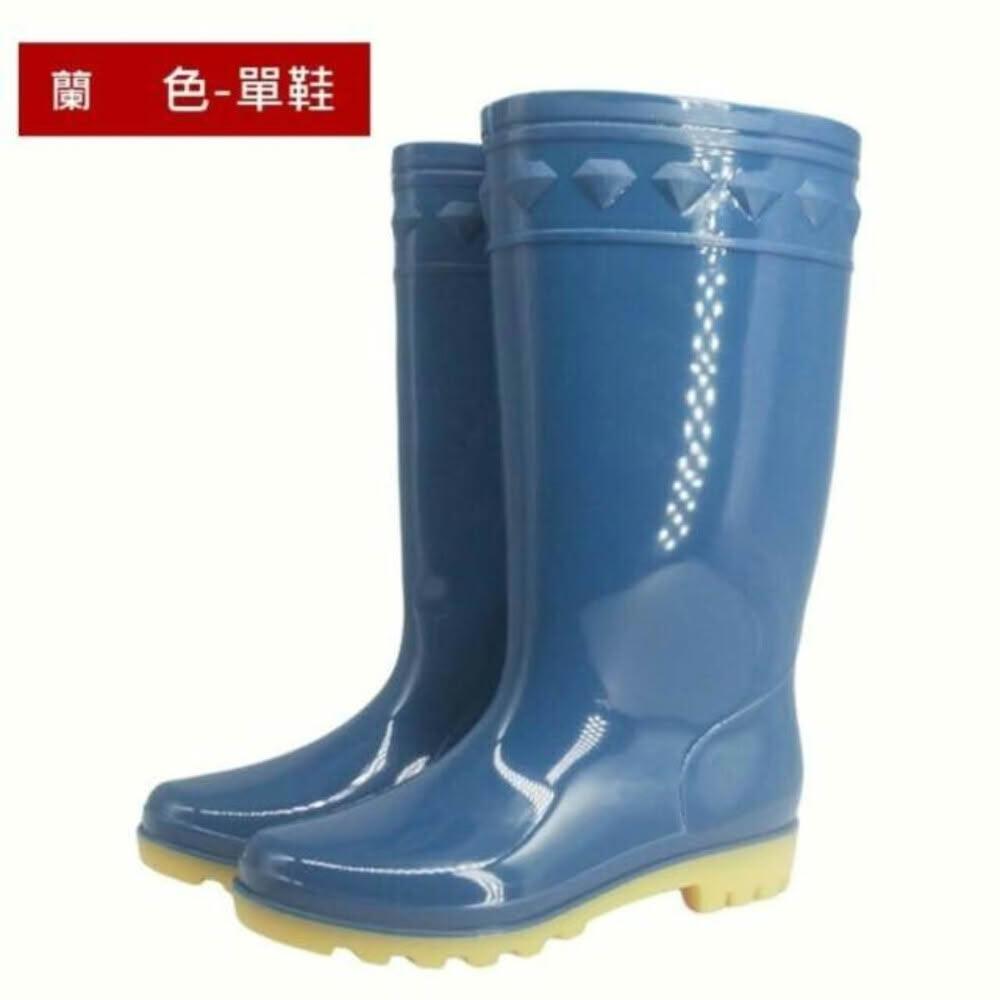
短筒覆蓋範圍示意
比較表:短筒雨鞋的優勢與限制
| 面向 | 短筒雨鞋(本商品類型) | 一般雨靴(常見長筒/更高筒) |
|---|---|---|
| 防濺水覆蓋 | 以鞋口高度降低水花進入機率 | 覆蓋更高,遇到較高水花更有利 |
| 防滑體感 | 重點在鞋底防滑設計與乾燥狀態 | 同樣取決於鞋底材質與紋路,筒身高度不等於防滑 |
| 穿搭難度 | 褲管較好處理,視覺更像日常鞋 | 可能需要更注意褲管與筒口搭配 |
| 清潔乾燥 | 通常更快乾、日常維護較輕鬆 | 筒身更高時,乾燥時間可能更久 |
簡單來說,防水偏向「擋水進入」,防滑偏向「維持摩擦」。雨天路面會形成水膜,讓鞋底更容易滑;因此你不能只看筒身高度就判斷是否防滑。你需要把重點放在鞋底的抓地感與回家後的乾燥清潔,讓下一次使用不被水與髒污影響。
帶有依據感的判斷方式:用「你的路線」決定筒高
如果你常走的路段水花高度不高,短筒通常就能滿足需求;反之,如果你經常經過積水或水花濺得更高的路段,筒身覆蓋範圍就會變得更重要。這比單純比較外觀更實際。
適合短筒雨鞋的三種情況
- 雨天通勤、走路距離中等
- 需要好搭褲裝、希望視覺更日常
- 工作環境水氣多但不需要長筒覆蓋
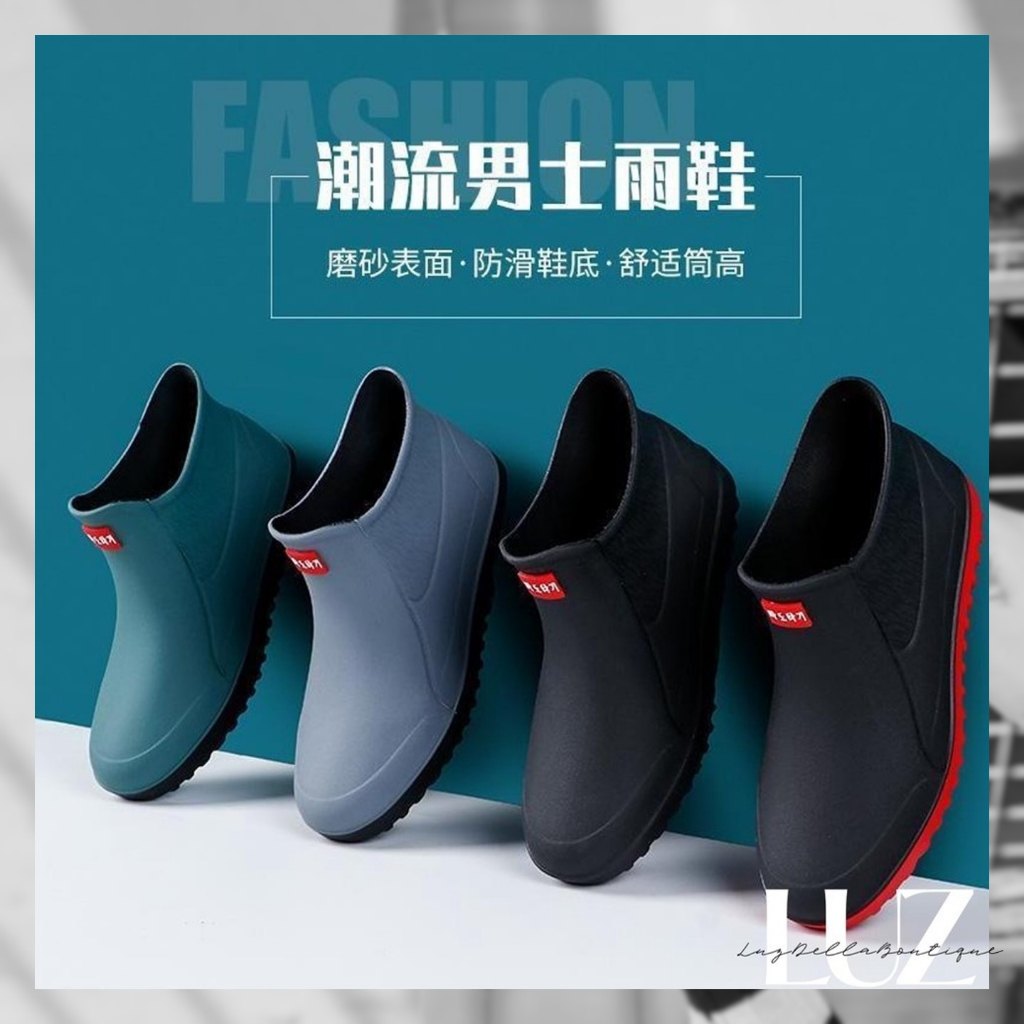
如果你正在猶豫:可以先用「防滑體感+覆蓋高度」做取捨
你可以把短筒雨鞋當作日常雨天的穩定選項:重點放在防滑與鞋口高度是否符合你的路線。若你有類似需求,建議你再對照不同筒高的覆蓋範圍與鞋底抓地感,找到最適合自己的一雙。
📊 為什麼這類設計越來越常見
近年不少產品都朝向「降低變數」的方向設計,也就是讓使用者在不同環境下都能得到接近的結果。這也是為什麼某些功能會逐漸變成標準配置,而不是額外選項。
English Version
Short Rain Boots vs. Taller Rain Boots: How to Choose for Grip, Water Coverage, and Style
Short and tall rain boots feel different in real life. Coverage height, slip resistance, and how easy they are to style all matter. This comparison uses a Korean-style short rubber rain boot as the reference and gives you a practical way to decide based on your route and walking needs.
Quick decision: match the boot height to your route
Short rain boots usually work best for daily commuting and easy styling. Taller boots may be better when water splashes higher or your route often includes deeper puddles. The key is not just appearance—it’s how high water typically reaches where you walk.
Comparison table: what changes between short and taller boots
Short boots focus on reducing splash entry through the boot opening height and often feel easier to style. Taller boots generally provide more coverage. However, slip resistance depends mainly on the sole’s traction and how clean/dry it is, not on boot height alone.
Principle: waterproofing and non-slip are two separate factors
Water resistance is about blocking water entry. Non-slip is about maintaining friction when a thin water film forms on the ground. That’s why you should evaluate the sole’s grip and your care routine, not only the boot’s height.
A practical self-check before choosing
If your usual route has low splash height, a short boot can be enough. If you frequently encounter higher splashes, you may need more coverage. For similar needs, compare both coverage height and real traction feel.