從刷毛到角度:小圓頭軟毛牙刷的正確刷法與保養節奏
很多人刷牙卡關在同一件事:刷得很認真,但總覺得某些地方就是刷不到。如果你手上用的是小圓頭軟毛牙刷,最有效的改變通常不是「更用力」,而是把動作變得更可控。
第一步:角度先到位(比你想像更重要)
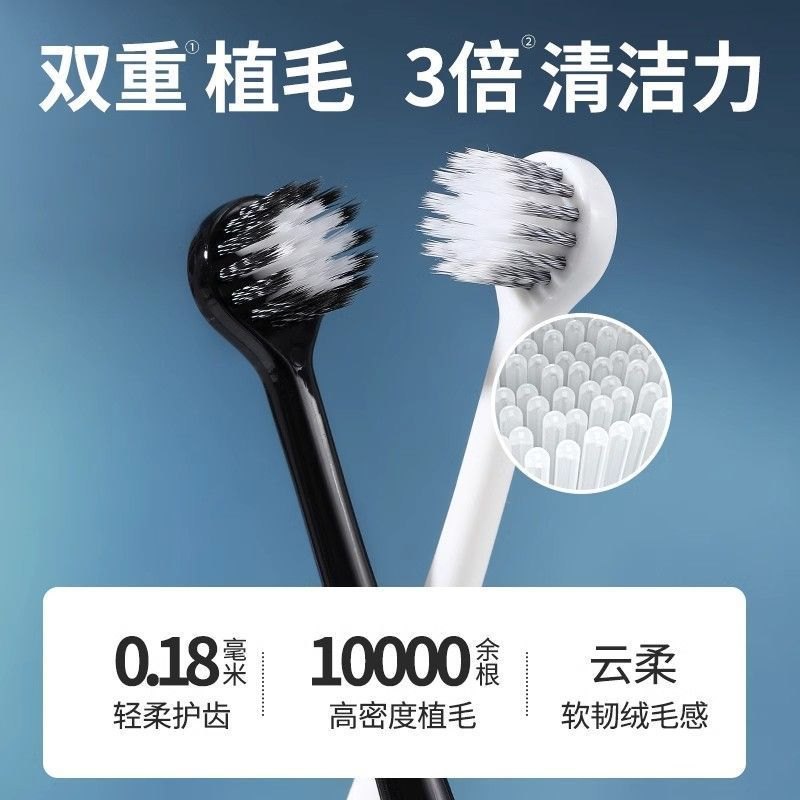
把刷頭想成一個「小圓形的導引器」。你要做的是讓刷毛靠近牙齦邊緣,而不是只在牙面上滑來滑去。當刷毛能接觸到邊緣,清潔才會更有方向。
第二步:力度用「溫柔但穩」
軟毛牙刷的特性是讓你可以用較溫和的摩擦去完成清潔。生活裡的判斷方式很簡單:如果你刷完牙齦常常覺得酸、或刷牙時會不自覺加大力道,通常代表你需要把力度放回來。
第三步:節奏改成「短停頓」
建議你把每顆牙的動作拆小:短停頓 + 小範圍移動。例如在臼齒外側停留幾秒,再換到下一個區域。這比連續大幅來回更容易讓刷毛完成接觸。
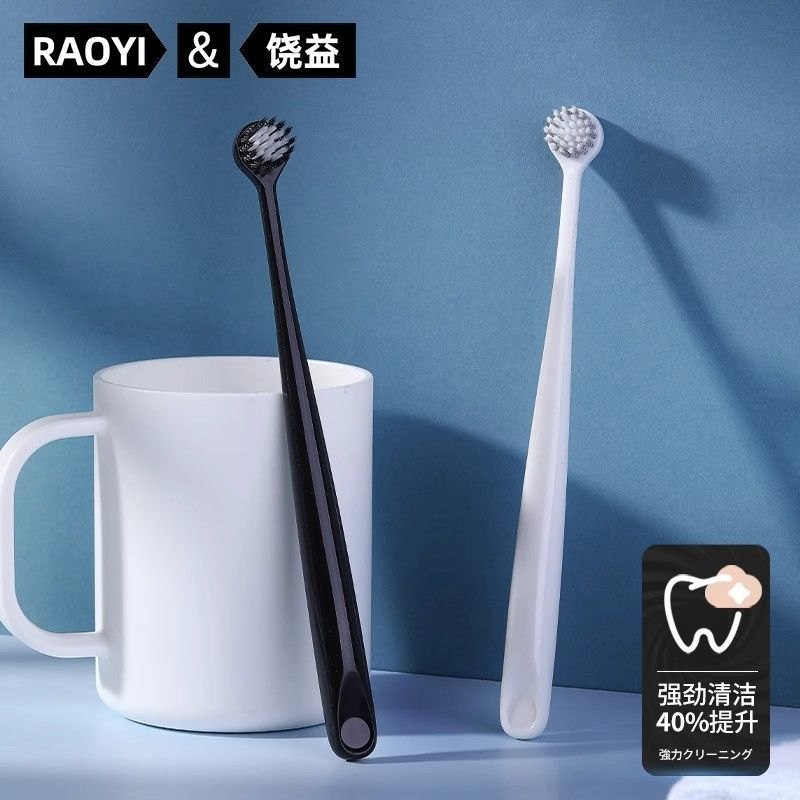
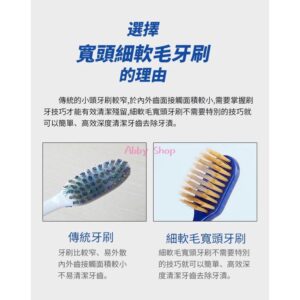
簡單來說,口腔後段空間小、牙齦邊緣曲線多。刷頭越大,越容易被空間限制卡住角度;刷頭越小越圓,就越能在有限空間裡調整方向。你可以把它想成「在狹窄巷子裡轉彎」:小圓頭比較好轉向,所以刷毛更容易沿著你要清潔的路徑走。
帶有依據感的保養節奏:什麼時候該換牙刷?
牙刷刷毛會隨使用逐漸變形。當你看到刷毛明顯分岔、傾斜,或刷起來明顯失去原本的貼合感,通常就代表清潔效率下降。這是日常觀察,不需要精密儀器;你只要用「刷毛外觀」做判斷,就能讓口腔清潔維持在比較穩定的狀態。
小圓頭軟毛牙刷的使用情境建議
- 牙縫較容易卡:用短停頓讓刷毛進入邊緣區域。
- 口腔後段不易刷到:利用小圓頭調整角度,減少大幅度甩動。
- 想要日常更舒服:軟毛搭配溫柔力度,讓你更願意持續維持習慣。
規格速覽(以商品描述為準)
| 面向 | 商品資訊 |
|---|---|
| 產品定位 | 成人家用護齒 |
| 刷頭 | 小圓頭、圓形牙刷、小頭細頭 |
| 刷毛 | 軟毛 |
| 適用對象 | 成人日常清潔 |
如果你想把刷牙習慣做得更穩
你可以先從「角度、力度、節奏」三件事調整。若你也在比較不同牙刷的刷頭大小與刷毛軟硬,建議把重點放在你刷起來是否更容易貼合牙齦邊緣,再去看商品描述與實際使用情境。
✅ 讓牙刷變成「好操作的工具」,刷牙就會更省力。
💡 原理小知識
許多日常用品其實背後都有基本的運作邏輯,例如透過密封、隔離或結構設計來提升效率。可以想像成把原本分散的影響因素集中管理,因此在實際使用上會更穩定。
English Version
To Bristles and Angles: Proper Brushing Technique for a Small Round Soft Toothbrush
You don’t necessarily need stronger cleaning—often you need a more controllable routine. This guide breaks brushing into angle, pressure, and rhythm, showing how a small round soft toothbrush can help you reach the gumline and gap areas. You’ll also learn a simple way to judge when it’s time to replace your toothbrush.
Step 1: Get the angle right first
Treat the small round head like a guide. Aim for bristles to contact near the gumline, not just slide across the tooth surface. When the bristles reach the edge, cleaning becomes more directional.
Step 2: Use gentle, steady pressure
Soft bristles are designed for a gentler friction level. If your gums feel sore after brushing or you notice yourself pressing harder, it’s a sign to reduce pressure.
Step 3: Use short pauses instead of constant motion
Try small movements with brief pauses per tooth. For molars, pause a moment on the outer side, then move to the next area. This often improves contact compared with continuous back-and-forth strokes.
Principle in plain language: why a small round head helps
Back teeth and gumlines have complex curves and limited space. A smaller, rounder head is easier to adjust in tight areas, so the bristles can follow the path you’re trying to clean.