坐姿矯正器 vs. 一般書桌墊:你該選哪一種?(用情境判斷)
⭐如果你正在猶豫:要不要買坐姿矯正器,或先用一般書桌墊/靠墊試試,先別急著下結論。因為兩者的「作用方式」不同:有些產品偏向增加柔軟舒適,有些則更像是把孩子的坐姿與視線距離引導回較穩定的區間。

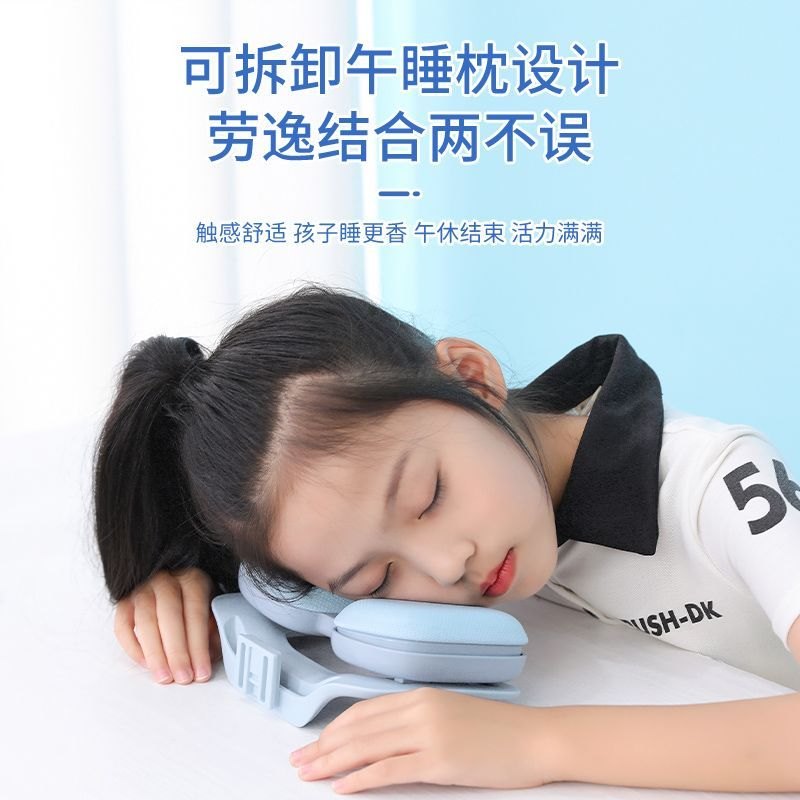
可以把孩子的前傾想成一種「找角度」的行為。當視線距離不舒服或身體支撐不足,孩子會用前傾來換取清晰。一般書桌墊多半是讓接觸更柔軟,但不一定能改變孩子的視線落點與身體位置;坐姿矯正器/護眼支架則更強調把學習區域的支撐與距離做出引導,讓孩子比較不需要用前傾來解決問題。
帶有依據感的常識提醒:長時間近距離用眼與姿勢不良常會讓視覺疲勞感更容易累積;因此,環境端的距離與支撐調整通常比單純「坐得更軟」更能處理根因。
快速比較表:你可以用三個問題選對
| 比較面向 | 坐姿矯正器/護眼支架 | 一般書桌墊/靠墊 |
|---|---|---|
| 核心目的 | 引導坐姿與視線距離更穩定 | 增加接觸舒適、減少摩擦或壓力感 |
| 對前傾的影響 | 更可能降低「貼近紙面」的誘因 | 不一定能改變視線落點 |
| 調整成本 | 主打免安裝,通常更好融入書桌 | 可能需要反覆試放,且占空間 |
| 適合情境 | 寫作業時會縮肩、前傾、眼睛靠太近 | 主要是覺得坐起來不舒服、需要軟墊支撐 |
用三個問題判斷:你家更需要哪一種?
- 孩子前傾時,臉是否會明顯靠近紙面?若是,優先考慮能引導距離的支架。
- 孩子手寫是否因為姿勢不穩而變得卡頓?若是,支架的放置位置更重要。
- 你是否希望快速融入現有書桌,不想大改配置?若是,免安裝類型通常更省事。
選購時最容易忽略的點(但影響最大)
很多人只看「看起來像支撐」,卻沒想過孩子的手臂動線與課本位置。即使是同樣的高度,放置角度不同也會讓孩子用不同方式前傾。你可以把第一次使用當成測試:讓孩子寫 1-2 分鐘,觀察視線距離與肩頸是否更穩。
如果你想更精準比較同類產品
每個家庭的書桌尺寸與孩子身高不同。你可以把這篇的比較框架拿去套用:先判斷問題是「舒適度」還是「距離與姿勢引導」,再去看產品的放置方式與使用情境。若你也在比較不同坐姿矯正器或護眼支架,可以進一步看看規格與實際使用方式,選到最符合你家動線的那一款。
FAQ
Q1:墊子不也能讓孩子坐得舒服嗎?
舒服很重要,但若孩子的主要問題是前傾導致視線距離變近,單靠軟墊未必能處理根因。更關鍵的是支撐與距離是否被引導到更穩定的位置。
Q2:免安裝是不是就比較不穩?
目前資料未提供具體結構細節。一般而言,免安裝的設計目標是降低使用門檻;穩不穩仍要回到實際擺放後的觀察:孩子寫作時是否順手、是否需要一直調整。
Q3:護眼支架是不是等於醫療?
目前資料未提供醫療用途說明。這類產品通常以學習姿勢與用眼環境支持為主;若有視力相關疑問,建議以專業醫療/視光建議為準。
📊 為什麼這類設計越來越常見
近年不少產品都朝向「降低變數」的方向設計,也就是讓使用者在不同環境下都能得到接近的結果。這也是為什麼某些功能會逐漸變成標準配置,而不是額外選項。
English Version
Posture corrector vs. a basic desk cushion: which one fits your situation?
Some families try desk cushions or small supports first. This comparison uses real homework scenarios to explain the difference: posture correctors/eye-support stands focus on guiding posture and viewing distance, while basic cushions mainly improve comfort. Use three questions—forward leaning, arm movement, and setup flexibility—to decide what your child actually needs.
Simple principle: guiding distance often matters more than adding softness
When kids lean forward, it’s often a “search for angle” behavior. Comfort cushions may feel better, but they don’t necessarily change where the eyes land. Posture correctors and eye-support stands are designed to help stabilize posture and viewing distance, reducing the need to compensate with forward leaning.
Side-by-side comparison table
Compare purpose (distance guidance vs comfort), impact on forward leaning, setup effort (no-install vs trial placement), and best-fit situations (hunching/eyes too close vs mainly discomfort).
Three questions to choose the right type
Ask: Does the child’s face move noticeably closer to the paper? Does writing feel awkward due to unstable posture? Do you want a quick setup that fits the existing desk? These answers usually point to the better category.
FAQ
Q: Can a cushion solve it? A: If the main issue is viewing distance and posture drift, a cushion alone may not address the root. Q: Is an eye-support stand medical? A: Current product info doesn’t indicate medical use; it’s generally about learning environment support.