坐姿矯正器怎麼調?從「佩戴角度」到「寫字節奏」的逐步整理
你可能也有同樣疑問:調整到什麼程度才算合適?孩子戴上去會不會不舒服?寫字時又要怎麼安排節奏,才不會一用就排斥?💡 下面用「一步一步能檢查」的方式整理。
先說清楚:本文不替代專業評估
目前資料未提供產品的醫療宣稱或健康指引。本文聚焦在日常姿勢輔助的使用方法與觀察方式;若孩子有視力或健康相關疑慮,仍建議依專業建議處理。
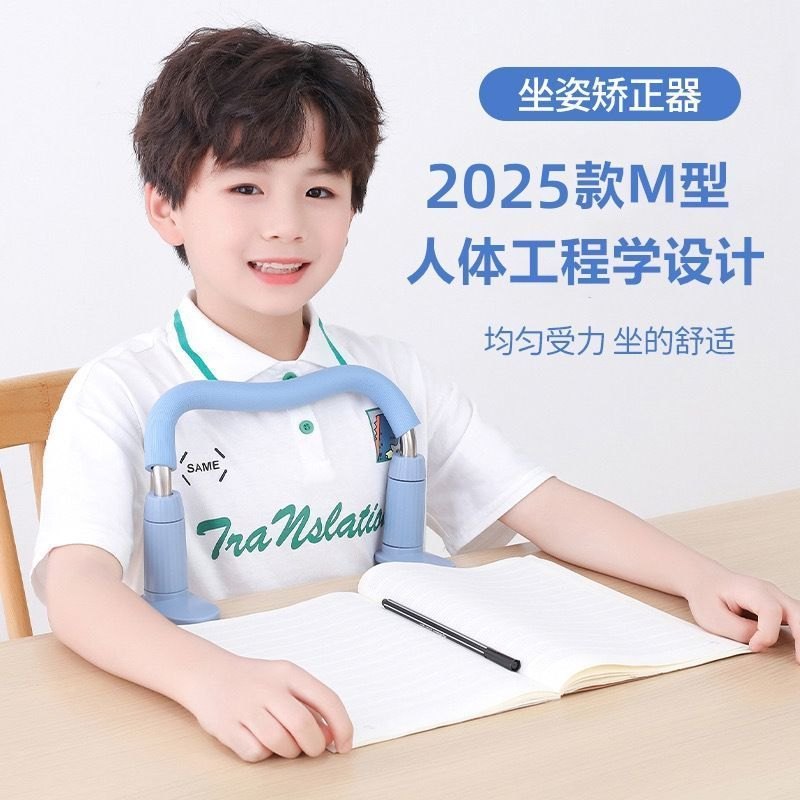
:佩戴後的角度與舒適度檢查
簡單來說,矯正器的效果來自於它提供的支撐位置與引導方向。若調整偏差,孩子可能仍會用低頭來找視覺距離;或是支撐點落在不舒服的位置,導致孩子想立刻取下來。可以想像成:同一個工具,調得準就像扶手;調不準就像卡住。
逐步調整流程(家長可照做的檢查點)
- 先確認佩戴舒適:讓孩子先站立或坐著幾分鐘,觀察是否有明顯壓迫感或不適。
- 再看頭部與背部的自然位置:請孩子用平常速度坐好、拿起筆。觀察是否更容易維持較直的背與較穩的頭部角度。
- 最後測「寫字動作」:寫幾行字後看手臂是否順暢、字是否因姿勢改變而變形或難寫。
帶有依據感的觀察:用「滑動」與「頻繁調整」判斷是否需要重調
一般常識上,若佩戴後孩子會不斷拉回位置,或在寫字過程中明顯滑動,代表支撐點可能不在理想位置。這時候與其硬撐,不如回到前一步重新調整。
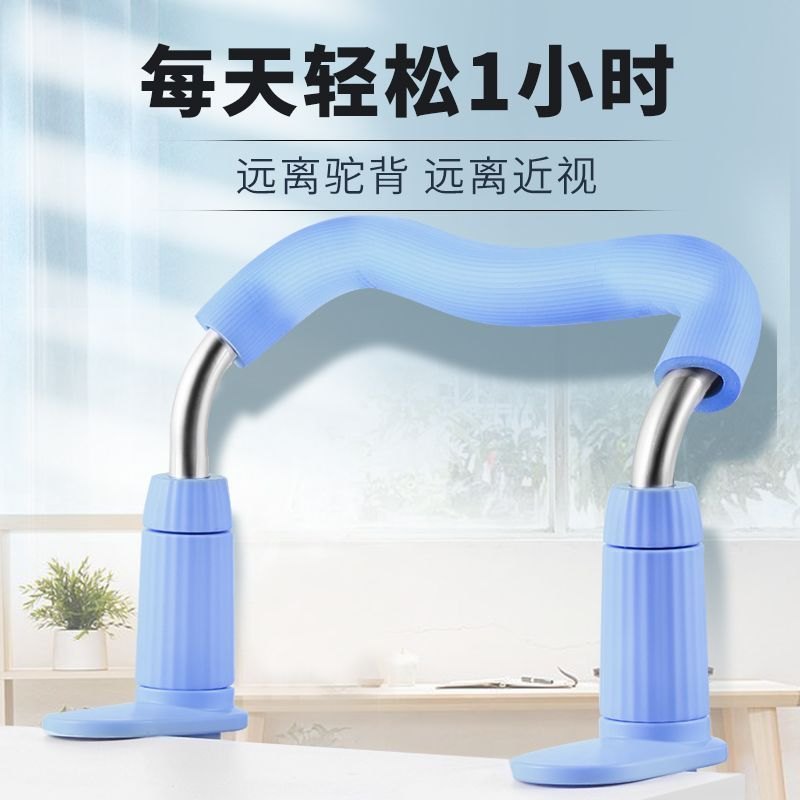
:寫字過程中是否需要頻繁調整的觀察
寫字節奏怎麼配合?比「戴多久」更關鍵
與其一次要求長時間,建議把使用拆成小段:例如先完成一小題或一段練習,再短暫休息。這樣孩子比較不會因疲勞而自然低頭,也更容易讓家長觀察哪個階段最容易駝背。
常見問題 FAQ
Q1:孩子戴上去覺得怪,怎麼辦?
可以先從短時間開始,並在寫字前做舒適度檢查。若出現明顯不適,先停止使用並重新調整佩戴位置。
Q2:需要每天都戴嗎?
目前資料未提供建議使用頻率。你可以先以作業或練字的特定時段使用,觀察孩子是否能在那段時間維持較穩定的姿勢。
Q3:調整後還是會低頭,代表沒用嗎?
不一定。低頭可能也與桌椅高度、書本擺放位置有關。你可以同時檢查書本是否太低、桌椅是否合身,再一起調整。
如果你有類似需求,可以進一步看看這類商品的規格與實際使用說明
不同款式的調節方式可能不同。建議你在選購時留意調整步驟是否清楚、佩戴是否容易上手,並把孩子最常低頭的作業情境拿來做測試。
💡 原理小知識
許多日常用品其實背後都有基本的運作邏輯,例如透過密封、隔離或結構設計來提升效率。可以想像成把原本分散的影響因素集中管理,因此在實際使用上會更穩定。
English Version
How to adjust a posture corrector? A step-by-step guide for fit and writing rhythm
Many families find that a posture corrector works best only when adjusted correctly. This guide walks you through practical checks—comfort, head/back alignment, and whether writing still feels natural—plus a simple writing rhythm to improve acceptance.
Why adjustment matters (simple mechanism)
A posture corrector relies on the support position and guidance direction. If it’s adjusted off-target, a child may still lower their head to see better, or feel uncomfortable and want to remove it. Think of it like a handrail—right placement helps, wrong placement gets in the way.
Step-by-step checks you can do at home
Start with comfort (a few minutes sitting/standing), then check natural head and back alignment, and finally test writing for a few lines to confirm arm and wrist movement remains natural.
Use “slipping” and “frequent readjustment” as signals
If the device slides or the child keeps pulling it back during writing, it often indicates the support point isn’t ideal. In that case, re-adjust rather than forcing longer use.
Writing rhythm: shorter sessions first
Instead of focusing only on total time, break homework into small segments with short breaks. This reduces fatigue-driven slumping and makes it easier to observe when posture tends to break down.