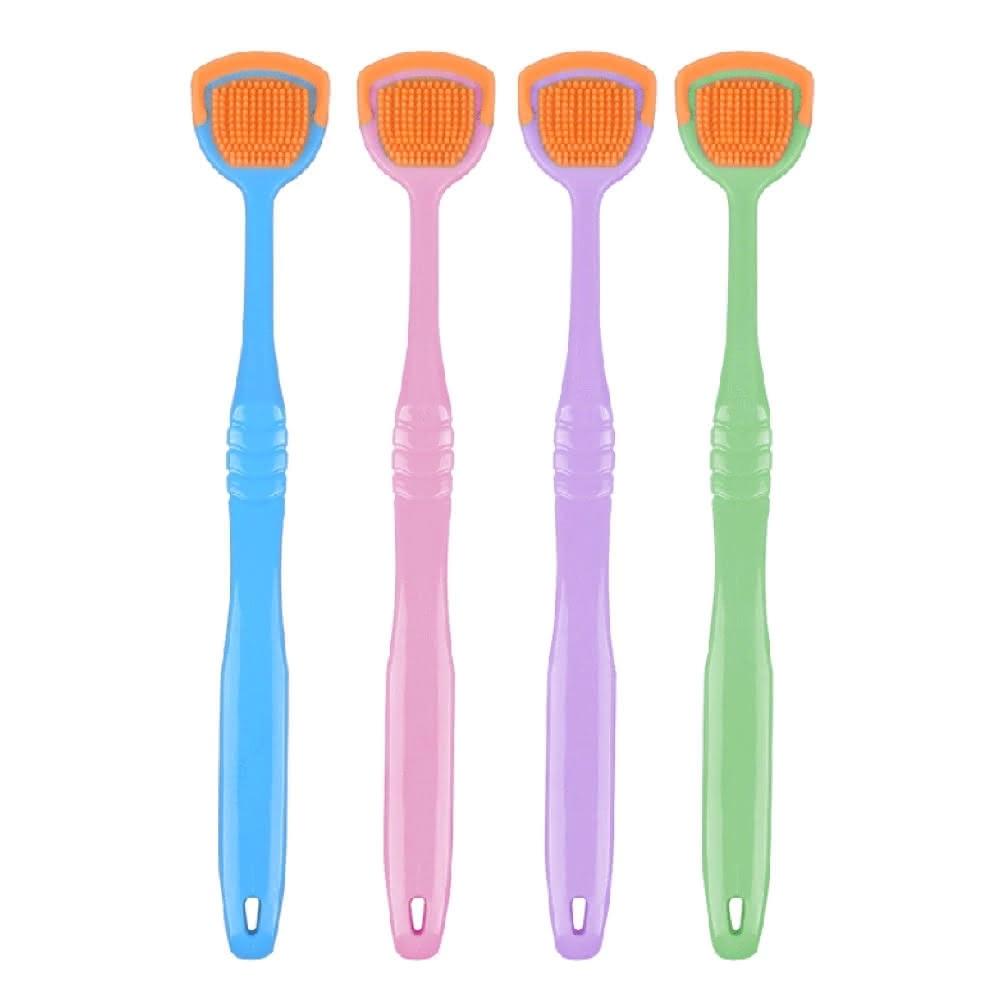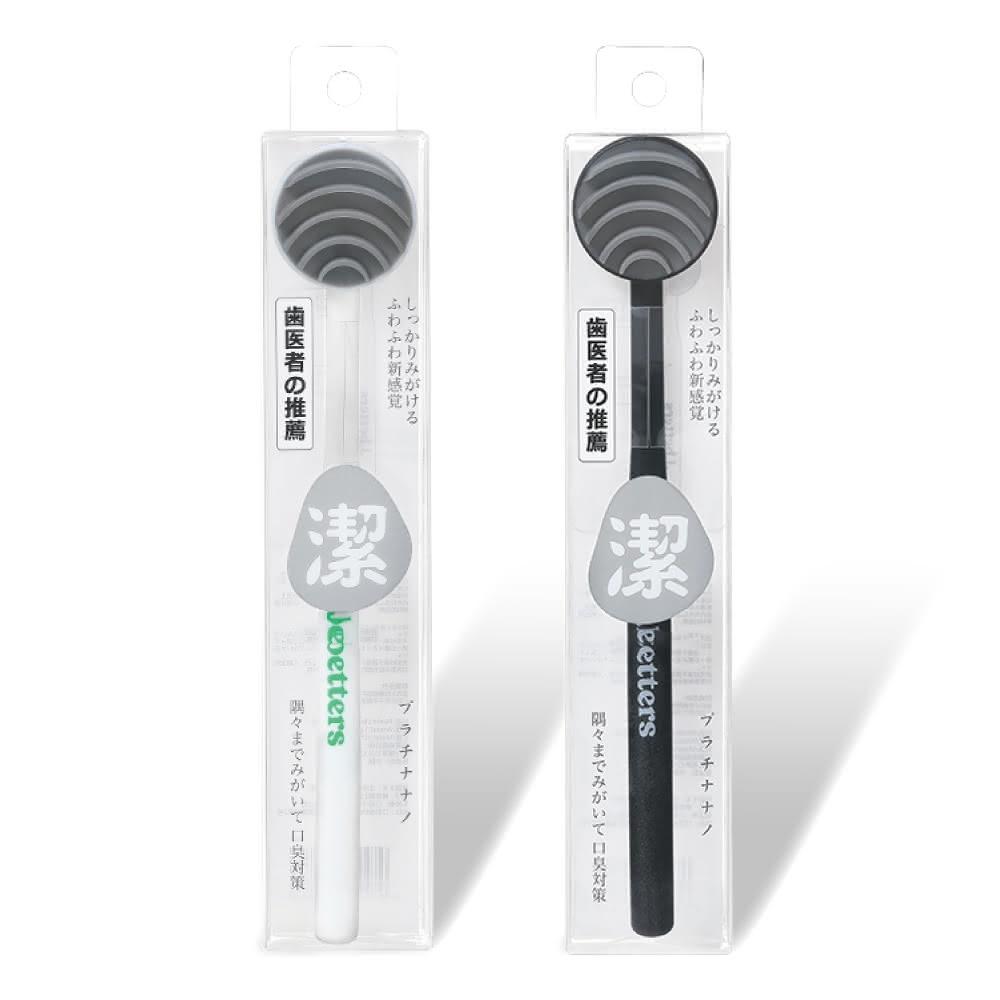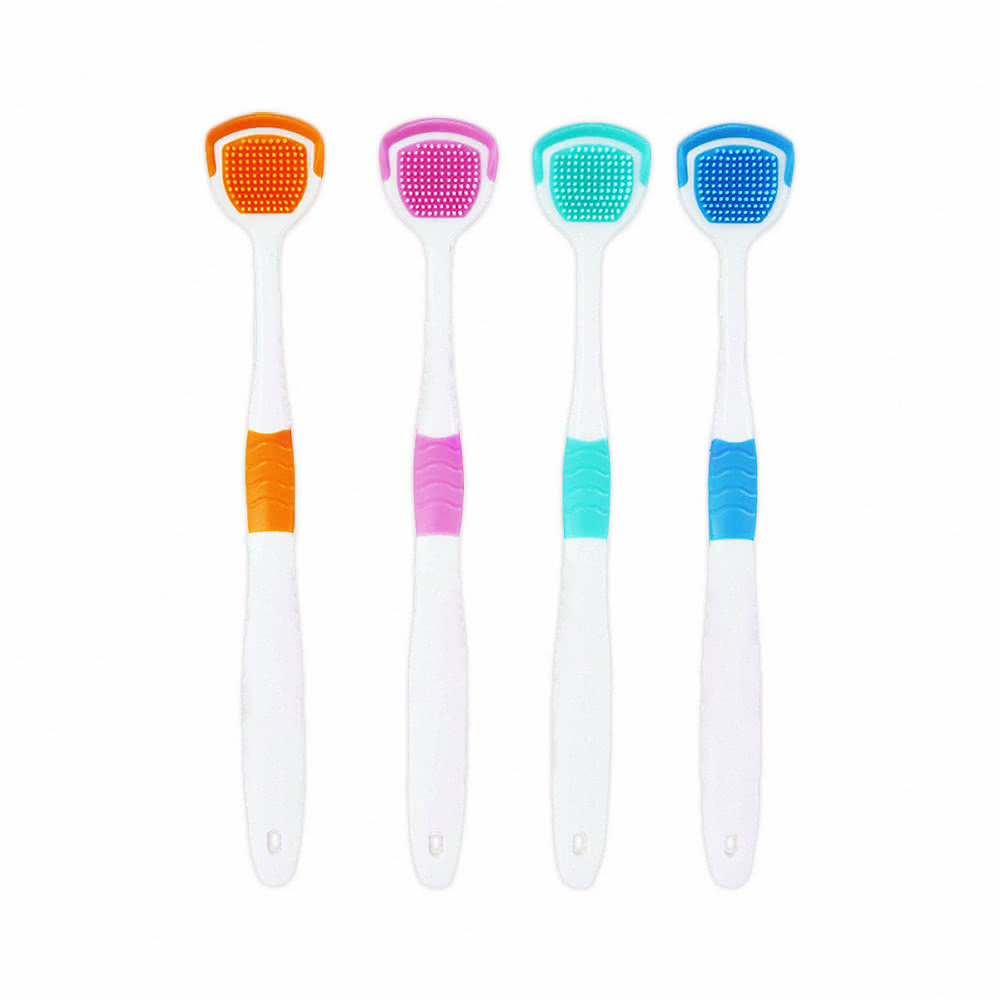
舌苔清潔痛點一次拆:乾嘔、刮不乾淨、清完更不舒服?雙效舌苔刷的解法 🧩
舌苔清潔最常見的三個痛點其實很具體:乾嘔、刮不乾淨、以及清完更不舒服。如果你也遇到其中一項,先別急著換工具或加大力道。多半是「手法與節奏」需要調整。
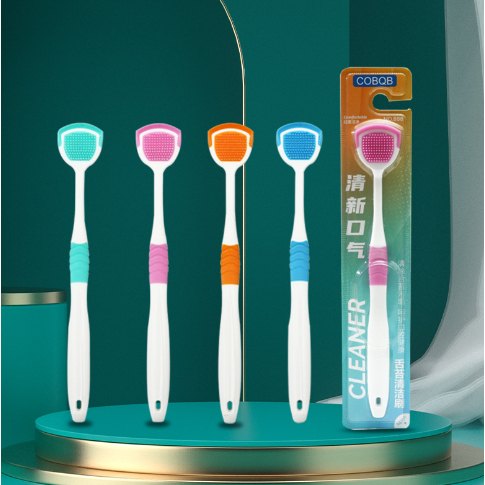
下面用雙效舌苔刷/刮舌器的使用邏輯,逐一對應解法,讓你能更快找到適合自己的方式。
乾嘔通常不是工具不行,而是你把清潔範圍推得太靠後或動作太快。你可以這樣調整:
- 從舌頭前段開始,先做短行程。
- 動作放慢,讓舌面有時間適應。
- 清潔只做「能做到的範圍」,不要一次追求全舌面。
帶有依據感的觀察方式:如果你每次都在同一位置開始乾嘔,代表那一段對你刺激較大。把範圍縮小,通常能快速改善體驗。
刮不乾淨常見原因是「只用單一方式反覆刮」或「節奏不夠」。雙效舌苔刷的解法是用分段思維:
- 先用較有效的一面做帶走步驟。
- 再用另一面做收尾,避免一直來回拖拉。
- 每次短行程重複幾次即可,不要一次刮很長。
這通常是摩擦刺激過大。你可以先做三件事:
- 放輕力道:讓工具「滑過」而不是「硬刮」。
- 縮短範圍:先清舌頭前段,等適應後再逐步擴大。
- 降低頻率:如果你每天都做,先改成較低頻率觀察舌面反應。
舌苔清潔的目標是把表面堆積物帶走。當摩擦力過大,舌面黏膜可能受到刺激,反而讓你覺得「更敏感、更明顯」。雙效設計的分段概念,能讓你用更合適的方式處理不同狀態,降低一直用同一種力道反覆刮的機率。
快速對照表:你的痛點對應哪個調整
| 痛點 | 優先調整 | 你可以怎麼判斷改善 |
|---|---|---|
| 乾嘔 | 縮小範圍+放慢速度 | 同一位置乾嘔感下降、可完成更多步驟 |
| 刮不乾淨 | 用雙效分段+短行程重複 | 清潔後舌面視覺更乾淨、但不需要加大力道 |
| 清完更不舒服 | 放輕力道+降低頻率 | 刺痛感減少、舌面恢復更快 |
如果你想把舌苔清潔做得更順,下一步可以怎麼做?
你可以先從「痛點對應調整」開始,而不是一口氣換很多工具。當你用雙效舌苔刷找到舒服的範圍與節奏後,清潔體驗通常會更穩定。若你也在找舌苔清潔棒類型的替代方案,可以先比較自己最在意的是乾嘔控制、還是收尾舒適度,再決定哪種更適合你。
(提醒:本文不提供醫療建議;若口腔出現持續疼痛、破皮或明顯異常,建議尋求專業人員協助。)
📌 為什麼這類產品會有效?
一般來說,這類產品的設計原理是透過改善日常使用過程中的某些關鍵因素,例如減少空氣接觸、降低水分流失或優化使用流程。簡單來說,就是讓原本容易被忽略的小細節變得可控。
English Version
Tongue Coating Troubleshooting: Gag Reflex, Not Clean Enough, or Feeling Worse After? Fixes with a Dual-Action Tongue Scraper
If tongue cleaning makes you gag, feels uncomfortable after, or never seems clean enough, the issue is often technique and rhythm—not the idea of cleaning itself. This guide maps three common pain points to practical adjustments using a dual-action tongue scraper so you can rebuild a comfortable routine.
Problem 1: gag reflex—how to make tongue cleaning doable
Gag reflex often happens when you reach too far back or move too quickly. Start at the front of the tongue, use short strokes, and slow down so your tongue can adapt.
Problem 2: “still not clean”—use dual-action as a two-stage routine
If it doesn’t feel clean enough, avoid repeating the same motion with the same force. Use the dual-action concept: lift buildup first, then finish gently with the other side.
Problem 3: feeling worse after cleaning—reduce friction and irritation
Discomfort usually indicates too much friction. Lighten pressure, shorten the range, and consider lowering frequency to see how your tongue responds.
Everyday mechanism: why scraping harder can backfire
Tongue cleaning aims to remove surface buildup. Over-scraping can irritate the mucosa, making the tongue feel more sensitive and look more noticeable. Gentle, segmented strokes are more likely to improve comfort while keeping results consistent.