第一次用AI智能翻譯藍芽耳機?從連線、觸控操作到翻譯顯示,一次把流程跑順
💡我把這類耳機的上手流程想成「先把路鋪好,再把內容接上」。只要連線穩、操作直覺、翻譯狀態看得到,你就會很快進入使用節奏。

Step 1:第一次配對,先做一件事——確保藍芽連線乾淨
第一次使用時,建議先在手機的藍芽清單確認是否已有舊裝置紀錄。你可以把舊的配對紀錄刪除或重新整理,再依耳機的配對流程連線。這樣做的原因很常見:藍芽有時會因為多裝置同時存在而切換不穩,導致你以為耳機壞了,其實只是連線狀態混亂。
Step 2:觸控與大屏顯示,讓你不用一直看手機
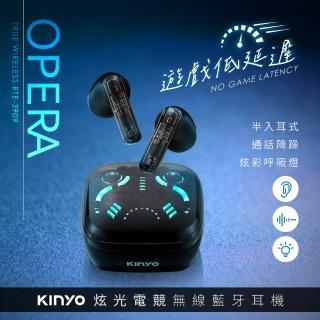
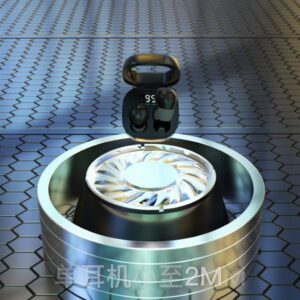
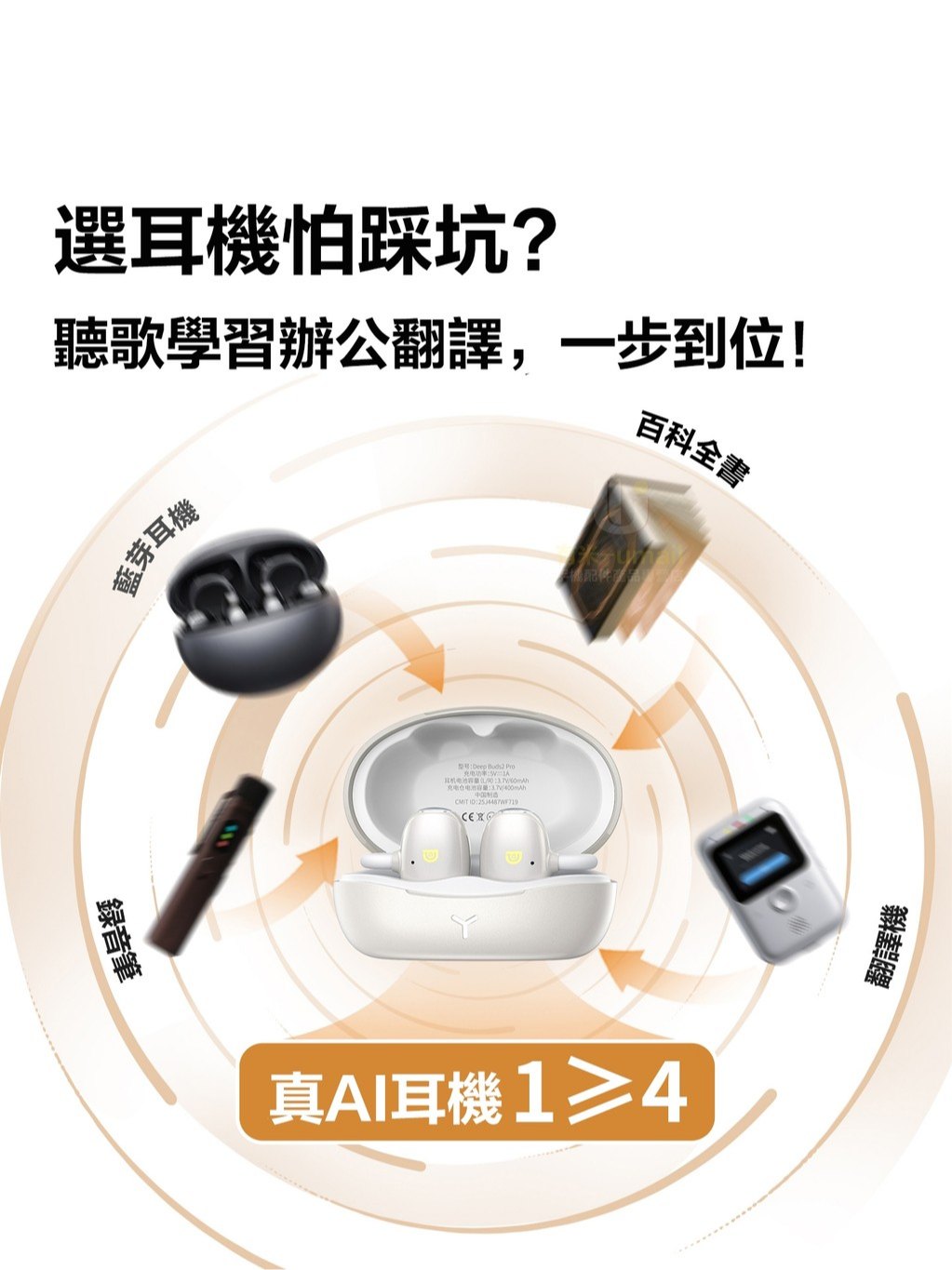
這款AI智能翻譯藍芽耳機的觸控與大屏顯示,重點在於「把狀態留在你眼前」。你可以把它當成耳機的儀表板:例如目前是否啟用翻譯、連線狀態、以及操作是否有回饋。
如果你常在通勤或運動時不方便掏手機,這種設計會特別省心。⭐
Step 3:翻譯怎麼用才順?先從「短句」開始
AI翻譯的體驗通常會跟語速、語音清晰度與環境噪音有關。新手建議先從短句或較清楚的語音內容開始練習,讓你熟悉翻譯顯示的節奏。當你知道它大概需要多久完成轉換,你就能更自然地跟上對話。
簡單來說,低延遲讓你聽到的時間更接近現場;而翻譯需要把語音內容轉成可理解的結果。若聲音本身延遲,翻譯結果出現時你會覺得「對不上嘴型或上下文」。因此低延遲不只是讓你聽得舒服,也會讓翻譯更像即時反應。
Step 4:久戴舒適怎麼調?夾耳式也要找到「穩但不壓」
夾耳式免入耳的優點是減少耳道壓力,但仍建議你在第一次佩戴時花幾秒微調角度與位置。你可以用「走幾步+甩頭」測試穩定度:如果你覺得壓迫感明顯,通常代表位置需要再調整。
帶依據感的小提醒:長續航與使用習慣的關係
一般來說,使用翻譯功能、維持穩定藍芽連線、以及較高的顯示亮度,都可能影響續航表現。與其只看單次理論數字,不如把它當成「用越密集、耗電越快」的常識來管理:例如長時間外出前先確認電量,回家再充電,體驗會更穩定。
最後:把流程跑順,你就會知道自己要的到底是什麼
當你完成配對、熟悉觸控與大屏顯示、再用短句練習翻譯節奏,你會更快判斷這款AI智能翻譯藍芽耳機是否符合你的日常。若你也正在比較不同款式,可以進一步看看這類商品的規格與評價,挑到最貼近你使用情境的那一副。
💡 原理小知識
許多日常用品其實背後都有基本的運作邏輯,例如透過密封、隔離或結構設計來提升效率。可以想像成把原本分散的影響因素集中管理,因此在實際使用上會更穩定。
English Version
First Time with an AI Translation Bluetooth Earphone? Get the Setup Right: Pairing, Touch Controls, and Translation Display
Many people get stuck on the basics: how to pair, how to switch modes, and where to check the translation display. This guide walks you through a beginner-friendly workflow—from first connection to daily use—while explaining low-latency and translation display in everyday terms. Follow the steps once, then fine-tune for your own situations.
1) Clean pairing first: reduce confusion from old Bluetooth records
On the first setup, check whether your phone has old pairing records. Clearing or re-pairing can prevent unstable switching between multiple devices—often mistaken for a hardware issue.
2) Use the touch controls and large display like an “ear dashboard”
Touch + a large display help you confirm translation status and connection feedback without constantly checking your phone. This is especially helpful during commuting or workouts.
3) Start with short, clear audio to learn the translation rhythm
AI translation experience depends on speech clarity, speed, and background noise. Beginners can start with short sentences to get a feel for how quickly the display updates.
4) Principle: why low latency makes translation feel more “real-time”
Low latency keeps what you hear closer to the moment it’s spoken. Since translation needs time to process, audio delay can make the result feel out of sync. Together, they create a smoother understanding flow.