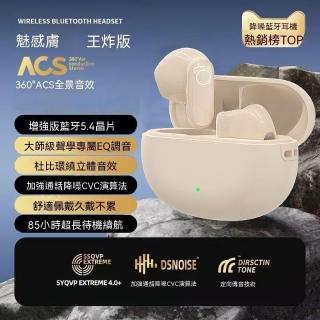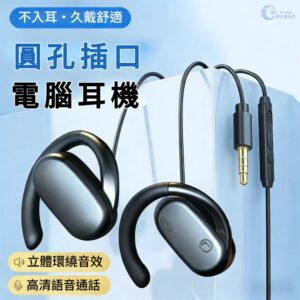
耳掛式開放式藍芽耳機怎麼戴才穩?柏林之音藍芽耳機5.4的佩戴與聽感調整教學
耳掛式耳機的優點是不用塞進耳道,但也因此更吃佩戴角度與耳掛位置。我常聽到朋友抱怨:剛戴時覺得不錯,走幾步或運動後就覺得鬆、或音量變小。其實多半不是耳機壞了,而是沒有把它調到「最貼合你耳型的位置」。💡
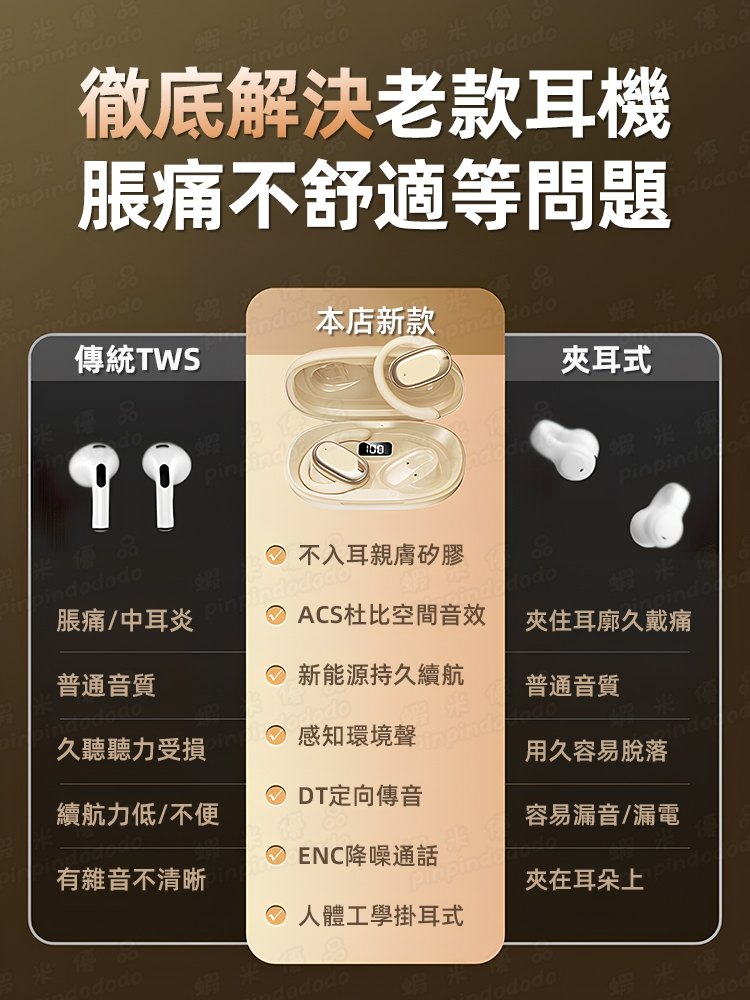
步驟1:先找「穩」的位置,再談「好聽」
你可以先用最簡單的方式判斷:戴上後輕輕點頭、轉頭、走兩分鐘。若感覺會滑動,代表耳掛沒有落在最適合的支撐點。耳掛式的支撐通常來自耳周的幾個接觸面,位置對了就會更穩。
生活小技巧:先把耳掛放到「自然貼合」的位置,再微調角度。不要一開始就追求音量最大,因為角度不對時,聲音可能會變薄或偏悶。
步驟2:用「聲音平衡」確認佩戴是否到位
當你佩戴到位時,雙耳聆聽通常會更平均。你可以選一首你熟悉的歌,注意人聲是否居中、低頻是否過度轟或過度薄。若你發現某一側明顯偏小,通常是那一側耳掛位置偏移。
依據常見使用者回饋,開放式耳機因為不封耳道,聲音會更依賴佩戴貼合度;因此「微調」往往比「硬撐」更有效。
步驟3:連線與通話設定,讓降噪更好發揮
降噪的效果會受到環境與通話/播放模式影響。你可以在使用前先確認:耳機是否已正確連到你要的裝置、麥克風是否選到耳機端。很多通話不清晰並不是降噪不行,而是麥克風跑到手機或其他裝置。
簡單來說:降噪像是「把背景聲壓下去的濾鏡」,但濾鏡要先套在正確的聲源上,麥克風位置與裝置選擇就很關鍵。
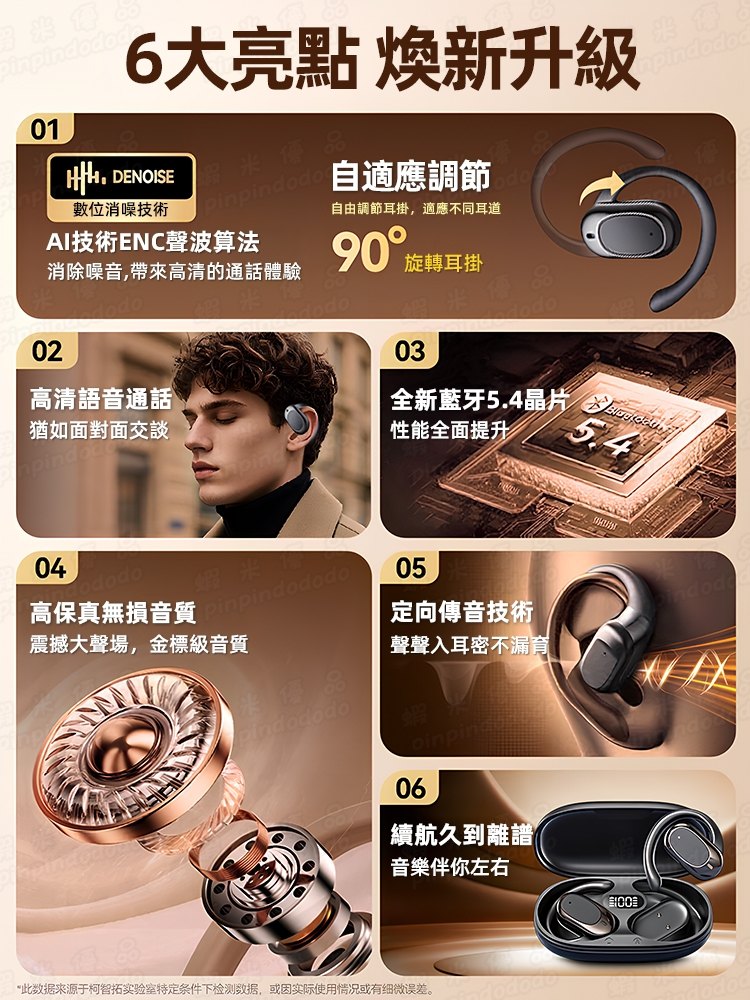
可以想像耳道像一個小共鳴腔。入耳式會更強地利用這個腔體;開放式則不會把腔體封起來,所以聲音更依賴耳周的導向與貼合。當耳掛角度剛好,聲音的方向性與反射更一致,聽感就會更穩定。
因此你會感覺到:同一副耳機,戴對位置後音質與舒適度都會一起提升。✅
常見問題(FAQ)
Q1:戴久會不舒服怎麼辦?
先檢查耳掛是否滑動。你可以把耳掛位置往更自然的支撐點微調,通常能改善壓點。若你在運動時出汗,建議乾燥後再重新調整一次。
Q2:為什麼同一首歌一側聽起來比較小?
多半是那一側耳掛位置偏移。試著重新戴上並輕微調整角度,再用熟悉曲目確認人聲與低頻是否更平均。
Q3:通話時對方覺得聲音遠?
先確認麥克風是否選到耳機端,並在安靜一點的位置測試。降噪通常是降低背景干擾,並非完全消除所有噪音。
如果你有類似「戴上後覺得不夠穩」或「通話不夠清楚」的困擾,可以把這套調整流程套用到柏林之音藍芽耳機5.4上,並參考實際使用者的回饋找出最適合你的佩戴點。
💡 原理小知識
許多日常用品其實背後都有基本的運作邏輯,例如透過密封、隔離或結構設計來提升效率。可以想像成把原本分散的影響因素集中管理,因此在實際使用上會更穩定。
English Version
How to Wear an Open-Ear Earhook Bluetooth Headset Securely: A Practical Guide for Berlin Sound Bluetooth 5.4
Many people feel their open-ear earhook headset is “almost good” but not stable enough or not comfortable after a while. Usually it’s not a defect—it’s the fit angle and earhook position. This guide walks you through a repeatable adjustment routine for Berlin Sound Bluetooth 5.4, including a simple explanation of why open-ear designs depend more on angle.
Step 1: Find the Stable Support Point First
After wearing the earhook, gently nod and turn your head for a couple of minutes. If it shifts, the earhook isn’t sitting on your best support point. Earhook stability comes from how it rests on your ear’s contours.
Step 2: Use Sound Balance to Confirm the Fit
Play a familiar track and check whether vocals feel centered and bass doesn’t become overly thin or boomy. If one side is noticeably quieter, that side’s position likely needs a slight angle adjustment.
Step 3: Make Sure the Connection and Mic Source Are Correct
For calls, noise reduction can only help if the microphone is actually using the headset. In many cases, unclear calls come from the phone selecting the wrong mic source.
Why Open-Ear Needs Angle: A Simple Explanation
You can think of the ear canal like a small resonance chamber. Open-ear designs don’t seal it, so sound relies more on ear周 contact and direction. When the angle is right, the sound path becomes more consistent—comfort and audio both improve.