魔鬼氈束帶使用教學:把鬆緊調到剛剛好 💡
你可能也遇過這種狀況:剛用的時候很牢,過一陣子卻覺得貼不太緊。通常不是產品突然變差,而是貼合面沾到灰塵、纖維或使用時沒有貼到完整接觸區。下面用生活步驟帶你把效果維持得更穩。
步驟1:先判斷需要的「鬆緊」而不是只看長度
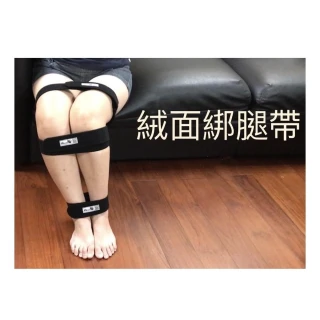
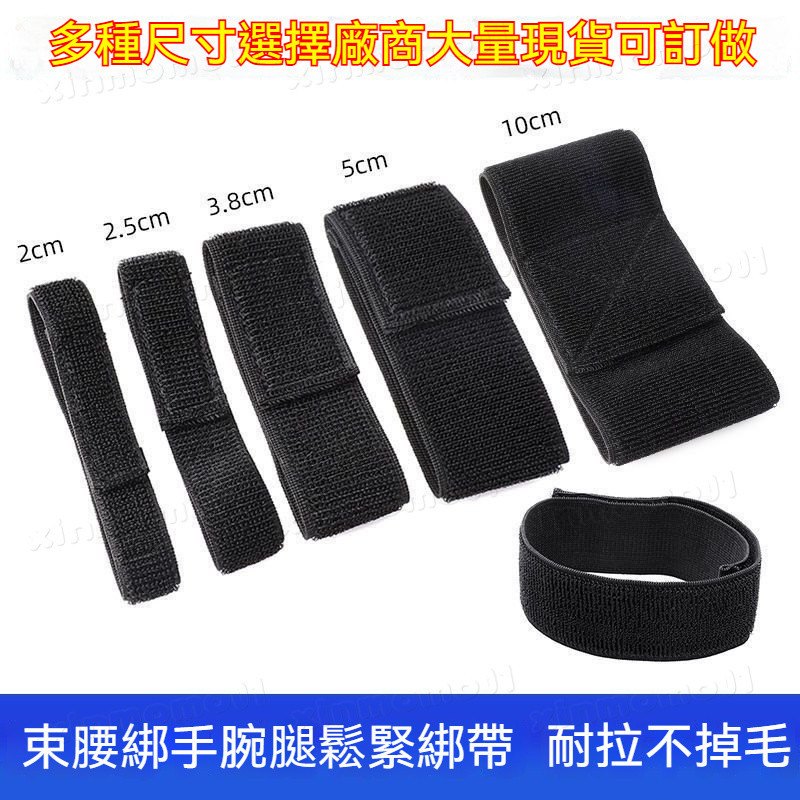
把束帶繞過物品後,先不要急著貼死。你可以先用手感判斷:固定後是否會滑動?是否太緊讓物品變形?彈力魔術貼的好處是可以在貼合時微調鬆緊度,讓固定同時保留一定舒適度。
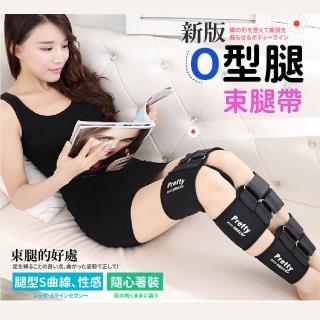
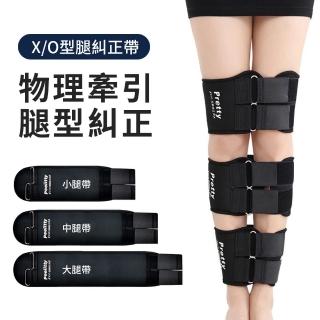
小提醒:如果你是用在衣物或束腿固定,過緊可能會讓活動不舒服;過鬆又容易位移。建議先從「不會滑動、但仍能自然活動」的狀態開始。
步驟2:貼合要「對齊接觸面」,不要只貼一小角
魔鬼氈的原理是靠纖維互相勾住。你可以想像成兩面刷毛的互扣:接觸越完整,摩擦力越穩。因此貼合時,盡量讓束帶兩面在同一位置重疊,而不是只讓一角勾住。
如果你發現固定不牢,先檢查是不是「貼合面沒有完全對上」,再考慮是否需要更合適的尺寸。
步驟3:使用後保養,讓重複使用更有感(帶有依據感的整理)
貼合面沾到灰塵、毛絮或細碎纖維時,纖維間的互扣會被干擾,導致黏性下降。這也是為什麼很多人用久了會覺得「不是壞掉,是髒了」。你可以用乾淨的乾布輕擦或用手輕撥毛絮,保持貼合面乾淨,通常能延長可重複使用的體感。
另外,避免把束帶直接壓在粗糙表面摩擦太久,因為摩擦會讓纖維結構受損。簡單來說:少髒、少磨、貼合到位,就是維持效果的三要點。
步驟4:收納時避免長期受力彎折
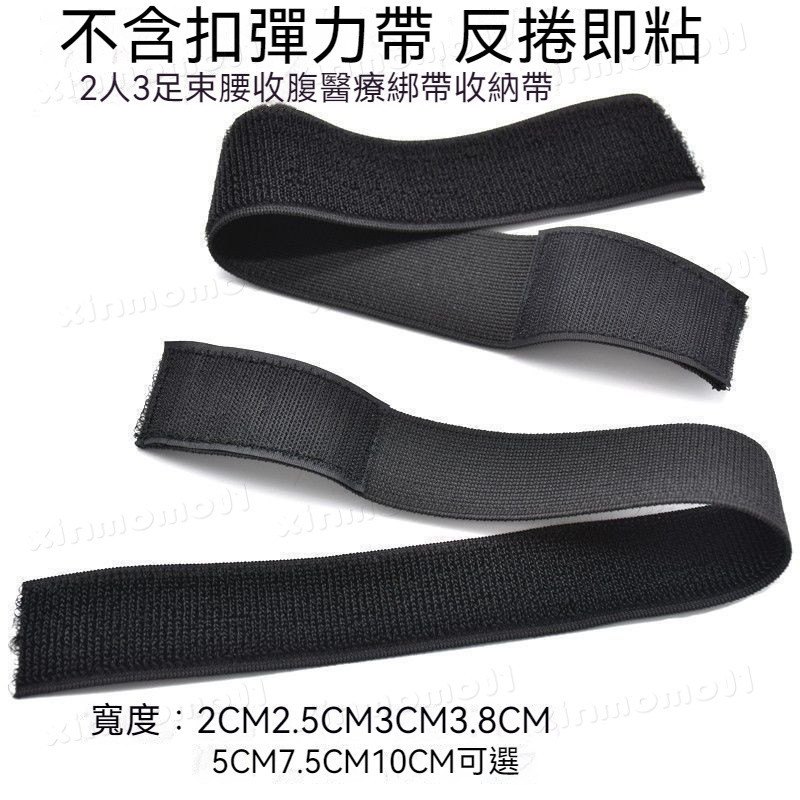
如果你把束帶長期捆在同一個物品上,且物品本身會持續受力(例如緊繃的線材),束帶可能會逐漸失去彈性。建議你在收納時保持自然鬆緊,或定期鬆開檢查貼合狀況。
常見問題 FAQ
Q1:束帶貼不牢是尺寸不對,還是黏性變差?
通常先看貼合面是否完整對齊、是否有毛絮灰塵。若貼合方式正確仍容易滑動,再考慮是否需要更合適的寬度或長度。
Q2:可以用在束腿帶或衣物固定嗎?
可以,但建議先從舒適度出發調鬆緊。彈力材質能幫助你固定同時保留活動空間。
Q3:要怎麼讓它更耐用?
保持貼合面清潔、避免粗糙摩擦、並避免長期過度受力。這些做法通常比頻繁更換更能省下麻煩。
如果你有類似需求,可以先選一個最常打結的線材或最常亂跑的小物,照著「對齊接觸面+調整鬆緊+使用後清潔」的流程做一次。你會很快感受到固定穩定度的差別。✅
💡 原理小知識
許多日常用品其實背後都有基本的運作邏輯,例如透過密封、隔離或結構設計來提升效率。可以想像成把原本分散的影響因素集中管理,因此在實際使用上會更穩定。
English Version
How to Use Hook-and-Loop Cable Ties: Adjust Tightness, Keep Adhesion, and Extend Reusability
If your hook-and-loop ties feel less sticky over time, it’s often due to contact-area misalignment or debris on the surface. This tutorial walks you through practical steps to adjust tightness, ensure full contact, and maintain reusability with simple cleaning habits.
Step 1: Choose tightness based on comfort and stability
After wrapping the tie around your item, don’t lock it immediately. Check whether it slips or deforms the item. For fabric or leg fixing, aim for “secure but comfortable” so movement stays natural.
Step 2: Align the contact area for stronger grip
The holding power comes from interlocking fibers. Think of it like two textured surfaces that need full contact. If only a small corner is attached, the friction may be insufficient—so press and align the overlap area.
Step 3: Simple maintenance to protect reusability
Dust, lint, and tiny fibers can interfere with the interlocking mechanism. A quick wipe with a clean dry cloth or gently removing lint helps restore performance. Avoid rough friction that can damage the fiber structure.
Step 4: Avoid long-term over-stretching
If the tie is kept under constant tension for a long time, elasticity can gradually reduce. Loosen and check periodically, especially when the tied item is under continuous load.