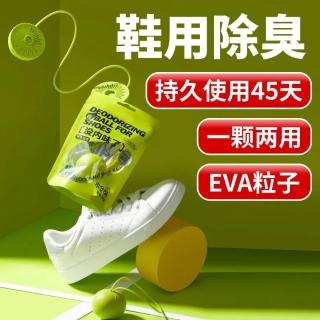
鞋臭反覆發作怎麼辦?除臭鞋墊貼+乾燥流程,從根源降低悶臭
如果你是那種「洗完還是臭、晾了還是臭」的人,通常不是你不夠努力,而是流程少了關鍵一步。📌 鞋臭反覆發作常見原因是鞋內潮濕反覆存在,讓細菌與異味更容易持續產生。這時候除臭鞋墊貼可以當作日常的穩定器,搭配乾燥流程一起做,體感更容易改善。

- 鞋子表面看起來乾,但內部仍悶:晾在通風處不代表鞋內已完全乾。
- 只靠洗鞋,忽略鞋墊與接觸區:鞋墊吸附與貼合區域更容易成為味道來源。
- 同一雙鞋輪替不足:鞋子需要時間回到乾爽狀態,輪替能降低潮濕累積。
解法總覽:用「乾燥先行+貼片管理」建立穩定循環
這套流程不需要很複雜:先把鞋內潮濕降下來,再用除臭鞋墊貼做日常抑味。你可以把它想成「先把地基弄乾,再做防潮處理」。
異味通常與潮濕環境和細菌代謝有關。當鞋內持續潮濕,味道來源就像一直在「生產」。乾燥流程的作用是降低水分,貼片的作用是把管理集中在腳掌接觸區,讓味道比較不容易被持續生成。簡單來說:你不是在追著味道跑,而是在降低它出現的條件。
一步一步做:反覆鞋臭的落地流程
步驟A:穿完先做「通風乾燥」
把鞋子打開鞋舌、放在通風處。若你常運動或汗量較多,可以考慮輪替鞋款,讓每雙鞋都有時間回到乾爽狀態。
步驟B:鞋子乾爽後再貼除臭鞋墊貼
選擇檸檬除臭貼這類清香取向時,你會更容易接受日常氣味。貼在腳掌最常出汗的位置,並確保貼合平整,讓管理更集中。
步驟C:觀察「回來的速度」決定更換節奏
帶依據感的判斷方式是:不是等到臭到受不了才換,而是當你開始覺得味道回升,就把貼片視為需要更新的訊號。不同人汗量與鞋材不同,節奏也會不同。
搭配小技巧:讓效果更穩的日常細節
- 襪子也要乾爽:襪子若仍潮濕,鞋內水分會跟著上升。
- 鞋墊輪替或清潔:鞋墊若長期吸附味道,貼片的管理會更吃力。
- 材質差異要納入:皮鞋或較不透氣材質更容易悶,貼片更需要配合乾燥。
FAQ:你最常問的幾個問題
Q1:我已經晾很久了,為什麼還會臭?
可能是鞋內仍悶、或味道主要卡在鞋墊接觸區。你可以試著把焦點放在「鞋墊貼合管理」與「乾爽再貼」的流程。
Q2:貼了之後味道變淡,但過幾天又回來?
這通常代表貼片的管理需要更新節奏,或鞋內潮濕仍存在。你可以先調整乾燥與輪替,再觀察回升時間。
Q3:檸檬清香會不會只是遮味?
清香通常能提升穿著體感,但要真正降低反覆發作,仍要依賴「降低異味來源生成」的概念。把貼片當作日常管理,再搭配乾燥流程,通常更接近你要的穩定效果。
如果你想把方案做得更適合自己
如果你有類似需求,可以進一步看看這類商品的規格與評價,並從「你鞋臭最常出現的時間點」調整流程:是穿後立刻?還是放一晚才明顯?對症下手,反覆發作通常更容易被壓下來。
📌 為什麼這類產品會有效?
一般來說,這類產品的設計原理是透過改善日常使用過程中的某些關鍵因素,例如減少空氣接觸、降低水分流失或優化使用流程。簡單來說,就是讓原本容易被忽略的小細節變得可控。
English Version
My Shoe Smell Keeps Coming Back—How Deodorizing Shoe Inserts and a Drying Routine Help
Recurring shoe odor usually means moisture isn’t fully controlled and odor sources keep building up. This article focuses on a practical routine: dry your shoes first, use deodorizing shoe inserts to manage the insole contact area, and adjust replacement based on how quickly odor returns.
Why shoe odor keeps coming back
Recurring odor often comes from trapped moisture and ongoing bacterial activity inside the shoe. Washing alone may not remove the odor source in the insole contact area. If you keep wearing the same pair without enough drying time, the cycle repeats.
The core solution: drying first, then insert management
Build a stable routine: ventilate and dry after wearing, then apply deodorizing shoe inserts when the shoe is dry. This combination reduces the conditions that allow odor to form and targets the area where odor is most likely generated.
Simple mechanism in everyday language
In simple terms, odor is easier to “produce” when moisture stays. Drying lowers water content, and the insert helps manage odor-causing activity on the insole surface. You’re not chasing the smell—you’re reducing the chance it will keep forming.
FAQ and practical adjustments
If odor returns after a few days, consider adjusting replacement timing and improving drying/rotation. If shoes still smell even after long airing, the insole contact area may be the main source—so focus on proper placement and a consistent routine. If you have similar needs, you can review product specs and user feedback to match your situation.