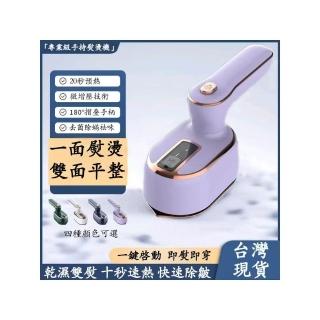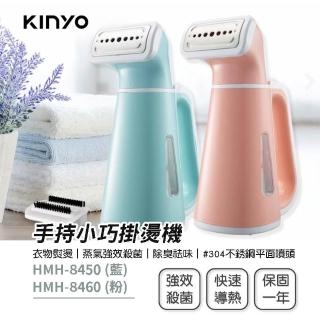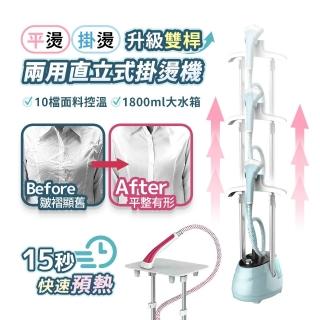
折疊手持掛燙機 vs. 傳統熨斗:迷你旅行熨斗到底差在哪?
很多人猶豫要不要換成迷你掛燙機,常見原因是「怕效果不夠」。其實兩者不是誰比較強,而是適用情境不同。把它想成:蒸汽掛燙更像是把皺褶鬆開再整理;傳統熨斗更像是用熱面直接壓出平整。
快速比較表:你會在意的差異一次看懂
| 比較面向 | 折疊手持掛燙機(迷你旅行熨斗) | 傳統熨斗 |
|---|---|---|
| 空間需求 | 較小,適合小宿舍/旅行收納 | 通常需要較大操作與擺放空間 |
| 操作方式 | 以蒸汽放鬆纖維、局部整理 | 以熱面直接壓平、整片熨燙 |
| 上手門檻 | 新手可用分段方式快速改善 | 需要掌握壓力與熨燙節奏 |
| 皺褶類型 | 對輕薄到中等皺褶常見有效 | 對需要更強壓平的布料可能更直覺 |
| 時間成本 | 適合「快速補救」與日常整理 | 適合「完整熨燙」的深度整理 |
| 衣料風險 | 距離與停留時間影響水氣與效果 | 壓力與溫度不當可能造成光澤或壓痕 |
帶有依據感的說法是:蒸汽的作用主要在於讓纖維暫時軟化並重新排列;熱壓則更依賴表面接觸與壓力把平整「壓出來」。因此你常遇到的皺褶型態,會決定哪種方式更合拍。
簡單來說,掛燙機的蒸汽像是「先把布料鬆開」,再用整理動作讓它回到你想要的方向;傳統熨斗則是「直接用熱面壓定」。如果你的衣服是因為收納擠壓而產生的摺痕,蒸汽通常更好處理;若是需要非常平整、且布料本身較挺,熱壓的手感可能更直觀。
- 常出差/常換宿舍:迷你旅行熨斗更符合「好收、好拿、好補救」。
- 工作需要固定版型:可能需要更完整的熨燙流程,傳統熨斗更能處理大面積。
- 衣櫃空間有限:折疊手持掛燙機通常更容易融入日常。
FAQ
Q1:掛燙機能取代熨斗嗎?
多數日常皺褶可以替代,但若你追求非常服貼的版型或厚重材質,仍可能需要傳統熨斗搭配。
Q2:迷你掛燙機會不會效果不穩?
效果通常跟蒸汽輸出與操作距離有關。掌握移動節奏、分段處理,穩定度會更好。
Q3:哪一種更適合新手?
若你希望快速改善外觀、並且不想花太多時間鋪設操作空間,迷你掛燙機往往更友善。
如果你有類似需求,可以進一步看看這類折疊手持掛燙機的規格與評價,並對照你衣櫃裡最常穿的材質,選出更符合生活節奏的那一種。
📊 為什麼這類設計越來越常見
近年不少產品都朝向「降低變數」的方向設計,也就是讓使用者在不同環境下都能得到接近的結果。這也是為什麼某些功能會逐漸變成標準配置,而不是額外選項。
English Version
Foldable Handheld Steamer vs. Traditional Iron: What’s the Real Difference for a Mini Travel Iron?
Both tools can make clothes look neat, but they work differently. A foldable handheld steamer focuses on relaxing fibers with steam, while a traditional iron relies on heat pressing. This comparison table and real-life scenarios will help you decide whether a mini travel steamer fits your routine—or whether you still need a traditional iron. ⭐
Side-by-side comparison
Mini foldable steamers generally require less space and are great for quick, localized wrinkle care. Traditional irons are better suited for full-surface pressing and more intensive, structured ironing.
The principle behind the difference
Steam softens fibers so they can rearrange, while heat pressing uses direct contact and pressure to lock in flatness. That’s why the type of wrinkles you deal with most often influences which tool feels more effective.
Choose based on your lifestyle
Frequent travel or limited storage usually favors a mini steamer. If your work requires very crisp, structured results across larger areas, a traditional iron may still be the better fit.
FAQ for common doubts
Steamer can often handle everyday wrinkles, but thick fabrics or very strict flatness goals may still benefit from an iron. Consistent distance and steady movement help improve reliability.