肩頸熱敷常見踩雷點:為什麼你覺得「有熱但不舒服」?電熱護肩的修正方法 ⚠️
你可能遇過這種狀況:開了電熱護肩後確實有熱,但幾分鐘後不是覺得燙,就是覺得位置不對、熱感跑掉。更糟的是,熱敷結束後反而覺得更僵。這通常不是你不夠努力,而是流程或設定踩到常見雷點。
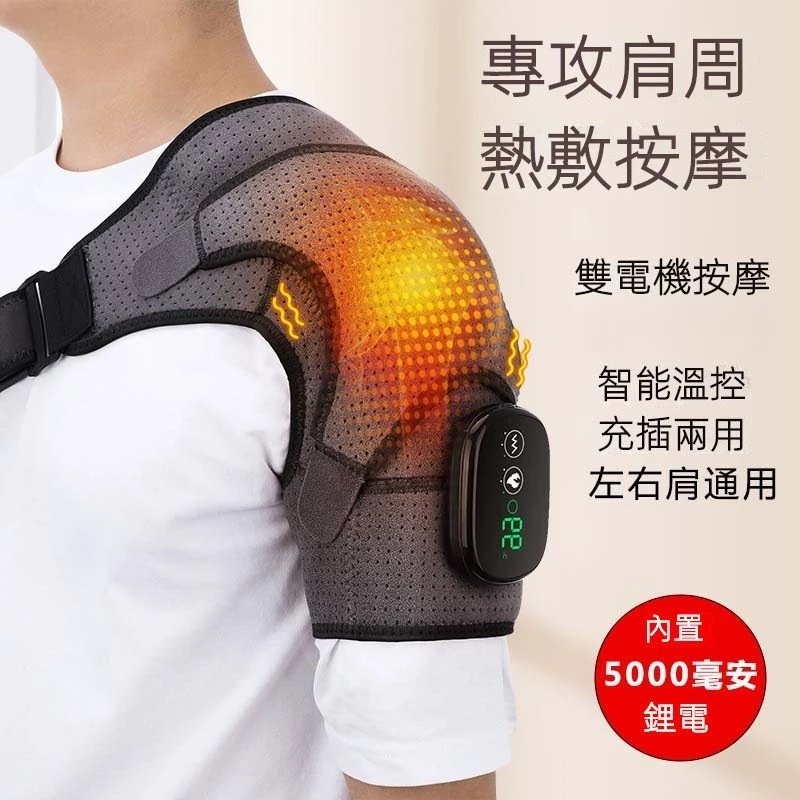
踩雷 1:貼合不良,熱量沒對到卡點
如果熱敷區落在你覺得「還好」的位置,卡住的地方就得不到足夠溫熱。修正方法很簡單:先用手指找最緊的點,再把護肩調整到那一帶能穩定接觸。
踩雷 2:一開始就開太高,身體還沒適應
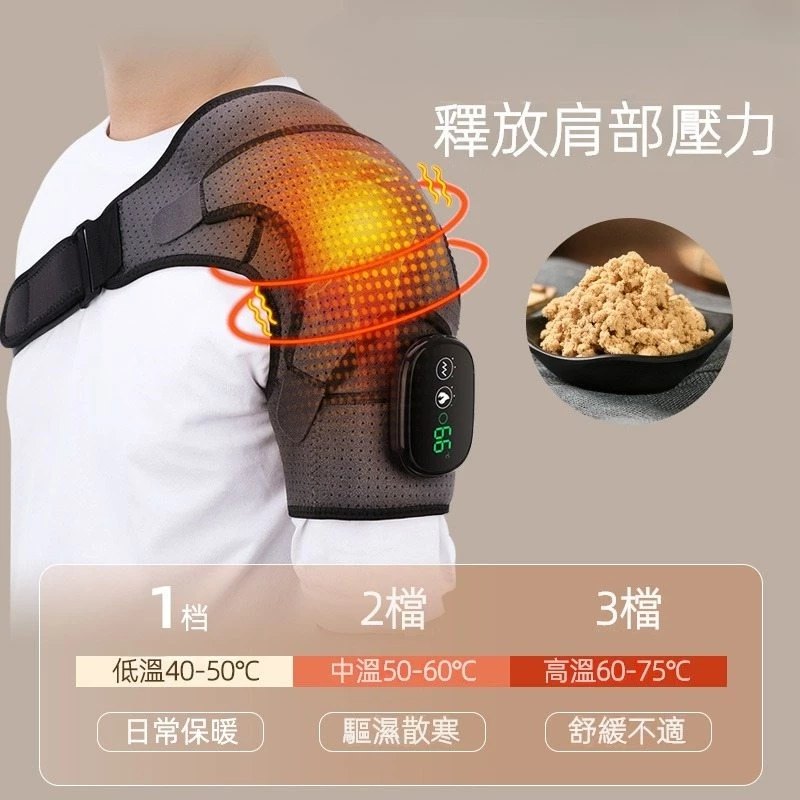
很多人想快點見效,結果熱感來得太快,皮膚先不舒服。修正方式:從低模式開始,等幾分鐘確認是「溫熱」而不是「刺燙」,再決定要不要調整。
踩雷 3:時間抓太長,舒適感反而變成負擔
熱敷不是越久越好。若你每次都用到覺得不耐煩,代表時間可能超過你的舒適區。修正方法:第一次先縮短,找到你覺得舒服的區間後再微調。
踩雷 4:熱敷後沒有「轉換」,僵硬感延續
熱敷讓你感到溫熱,但如果你立刻回到同樣的姿勢,身體可能不會把放鬆感延續。修正方法:熱敷結束後做輕微肩頸活動與深呼吸,讓身體把「鬆」的訊號帶回日常。
簡單來說,熱敷的效果跟「熱量分布」與「皮膚/神經的舒適區」有關。貼合不良會讓熱量分散;起始溫度過高會讓身體先進入不舒服的警戒狀態;時間過長則可能讓你覺得疲累。當你把這些因素調整到舒服的區間,體感通常會更穩定。
帶有依據感的判斷方式:用三個問題自我校正
- 熱感有沒有落在我最卡的點?(對位)
- 我感覺是溫熱還是刺燙?(舒適區)
- 熱敷後我能不能更順地轉動?(轉換)
FAQ
Q1:我熱敷後反而更痛,該怎麼辦?
先停止使用並調整貼合與模式。若疼痛持續或加劇,建議尋求專業評估;目前資料未提供醫療建議。
Q2:我需要按摩功能才有效嗎?
不一定。商品名稱包含「肩部按摩器」,但實際功能以產品規格為準。對多數人而言,熱敷的貼合與溫度控制就已經是主要體感來源。
Q3:我該怎麼選擇更不容易踩雷的款式?
你可以優先看「貼合度與控制方式」是否好用。若你常覺得熱得太快,通常更需要可調的模式與更穩定的熱感設計。你也可以對照產品實際描述,再搭配自己的舒適區測試。
📌 為什麼這類產品會有效?
一般來說,這類產品的設計原理是透過改善日常使用過程中的某些關鍵因素,例如減少空氣接觸、降低水分流失或優化使用流程。簡單來說,就是讓原本容易被忽略的小細節變得可控。
English Version
Common Mistakes in Shoulder/Neck Heat Therapy: Why It Feels Hot but Not Comfortable (and How to Fix It)
Many people don’t dislike heat therapy—they dislike the outcome: it feels too hot, the heat doesn’t land on the tight spot, or the neck feels stiffer afterward. This article lists the most common “wrong setup” reasons for electric heated shoulder wraps and gives practical at-home fixes: improve fit, start low, shorten sessions, and do a quick post-heat transition.
Mistake #1: poor fit means the heat misses the tight spot
If the heating area lands where you feel “okay” instead of where you’re truly tight, you won’t get the comfort you expect. Use your fingers to locate the tightest point, then adjust the wrap so it stays in contact.
Mistake #2: turning it up too high too quickly
Fast heat can turn into discomfort. Start with a lower mode, wait a few minutes, and confirm the sensation is warm rather than sharp or burning.
Mistake #3: too long a session can become a burden
Heat therapy isn’t “more is better.” If you always feel impatient by the end, your session length may be beyond your comfort zone. Try shorter sessions first, then adjust gradually.
Mistake #4: no transition after heating
Warmth can relax you, but if you immediately return to the same posture, the stiffness may come back. After heating, do gentle shoulder/neck movement and slow breathing to carry the relaxed feeling forward.
Simple principle: why “hot but tighter” happens
Comfort depends on heat distribution and whether you stay within a comfortable temperature range. Poor contact disperses heat; overly high settings can trigger discomfort; long sessions can lead to fatigue. Fixing these usually makes the experience more stable.
FAQ
If pain increases after heating, stop and adjust fit and settings. The provided data does not include medical guidance—seek professional evaluation if symptoms persist or worsen.