耳掛式藍芽耳機 vs 入耳式:開放式不入耳到底差在哪?(運動防水觀點)
如果你正在猶豫「要不要換耳掛式不入耳」,可以先想像你每天的路線:你是走在需要注意車聲的路上,還是待在相對安靜的室內?耳掛式開放式通常更偏向保留環境聲與長時間舒適;入耳式則更容易做到聲音隔絕。兩者沒有誰一定比較好,只有誰更符合你的使用情境。
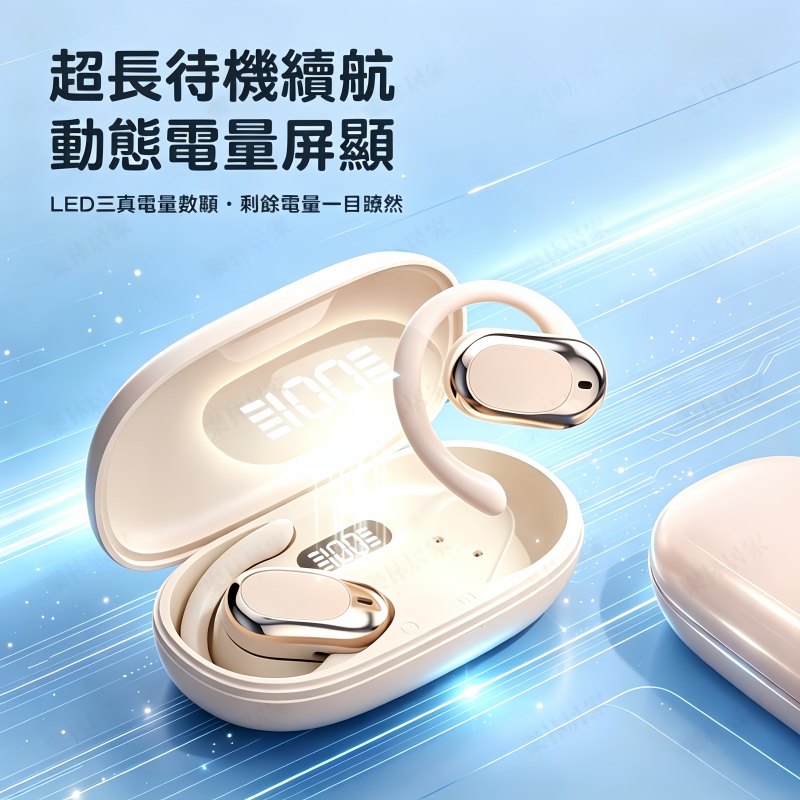
快速比較表:你可以用來做決策
| 面向 | 耳掛式(開放式不入耳) | 入耳式(密封) |
|---|---|---|
| 佩戴舒適 | 通常較不悶,長戴壓力較低(依佩戴貼合而定) | 可能更依賴耳塞尺寸與密封度,久戴有些人會覺得耳道壓力 |
| 環境聲 | 保留一定外界聲音,走路/運動更安心 | 隔絕感通常更強,安靜但也更容易忽略外界 |
| 運動防水與汗 | 仍需擦拭與乾燥;開放式不代表汗不會殘留 | 汗水與耳塞貼合更容易影響舒適與清潔頻率 |
| 降噪體感 | 降噪可能更偏向特定噪音;環境聲仍可能存在 | 密封本身就有隔絕效果,搭配降噪可能更明顯 |
| 重低音 | 低頻量感常受佩戴位置影響;開放式可能更自然但不一定最“封閉” | 密封通常更容易呈現低頻,但也可能因密封過度而覺得轟 |
可以把「隔絕」想成一個音量的放大器:入耳式密封能減少外界干擾,所以你會覺得聲音更集中。開放式則像把聲音放在更自然的空間裡,優點是舒適與環境感更平衡。若你常運動或需要注意周遭,開放式反而更符合「聽得清楚但不失去安全感」的需求。
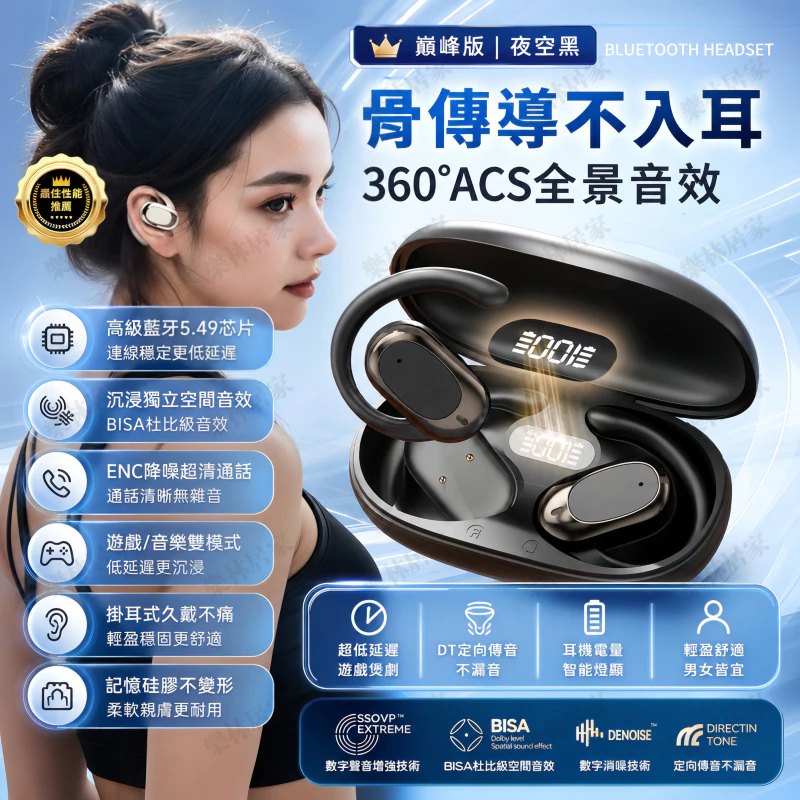
帶依據感的選擇方法:用兩個問題快速分流
你可以用下面兩題做決策(不需要猜品牌,只要對應你的生活):
- 你是否常在需要注意車聲/人聲的路線使用耳機?若是,開放式通常更符合你的安全與舒適需求。
- 你是否更在意「完全隔絕」而非「自然聆聽」?若是,入耳式可能更容易達到你想要的沉浸感。
FAQ:比較型常見疑問
Q1:耳掛式會不會低音不夠?
不一定。重低音體感常取決於調音與佩戴位置。你可以在同一首重低音曲目上做位置微調,觀察低頻是否更完整。
Q2:降噪一定是入耳式比較好嗎?
不一定。降噪效果與技術類型、適用噪音類型有關。由於目前資料未提供降噪規格細節,建議你以商品描述的適用情境為準。
Q3:運動防水要怎麼比?
先看防水標示與使用限制,再搭配你是否會大量流汗。即使防水足夠,運動後擦拭與乾燥仍能提升舒適與穩定度。
如果你正在猶豫:可以把你的使用場景列成清單
你可以把「每天戴多久、是否常戶外、是否需要聽到環境聲、對低音與降噪的優先順序」寫下來,再進一步看看這類耳掛式藍芽耳機的規格描述,選到更符合你生活節奏的類型。
📊 為什麼這類設計越來越常見
近年不少產品都朝向「降低變數」的方向設計,也就是讓使用者在不同環境下都能得到接近的結果。這也是為什麼某些功能會逐漸變成標準配置,而不是額外選項。
English Version
Ear-Hook vs In-Ear Bluetooth Headsets: What’s Really Different? (Sport Water-Resistance View)
Ear-hook open-ear and in-ear Bluetooth headsets differ less in “can you hear music” and more in how they handle comfort, ambient sound, and workout practicality. This comparison breaks down the trade-offs—open-ear advantages and limits, what to watch for with sport water resistance, and how bass and noise reduction can feel different depending on the fit.
1) Quick decision table: comfort, ambient sound, and workouts
Ear-hook open-ear designs often prioritize comfort and keeping some awareness of the environment, which can be helpful for walking or outdoor workouts. In-ear designs typically provide stronger isolation due to sealing, which can be great for immersion but may feel more pressurized over long sessions.
2) The simple principle: open-ear isn’t automatically worse
Isolation works like a natural “focus” effect—less outside interference makes sound feel more concentrated. Open-ear listening trades some isolation for a more natural spatial feel and often better long-wear comfort. If you need safety awareness while moving, open-ear can match your needs better.
3) Sport water-resistance still requires care
Water resistance helps with sweat and light exposure, but sweat and salt can still accumulate at contact points. Regular wiping and air-drying are practical habits that support comfort and consistent sound.
4) FAQ for the comparison mindset
Bass performance depends on tuning and fit, not only on open-ear vs in-ear. Noise reduction effectiveness varies by noise type and the product’s described capabilities. For water resistance, compare the exact rating and usage limitations from the listing.