耳勺棉籤 vs 一般棉花棒:雙頭螺旋設計差在哪?
很多人第一次換成雙頭棉籤時,會覺得「怎麼用起來更順」。原因通常不是神奇效果,而是設計對應了不同動作:耳勺端偏定位、螺旋端偏貼合。下面用幾個常見面向,幫你把差異看清楚。📌
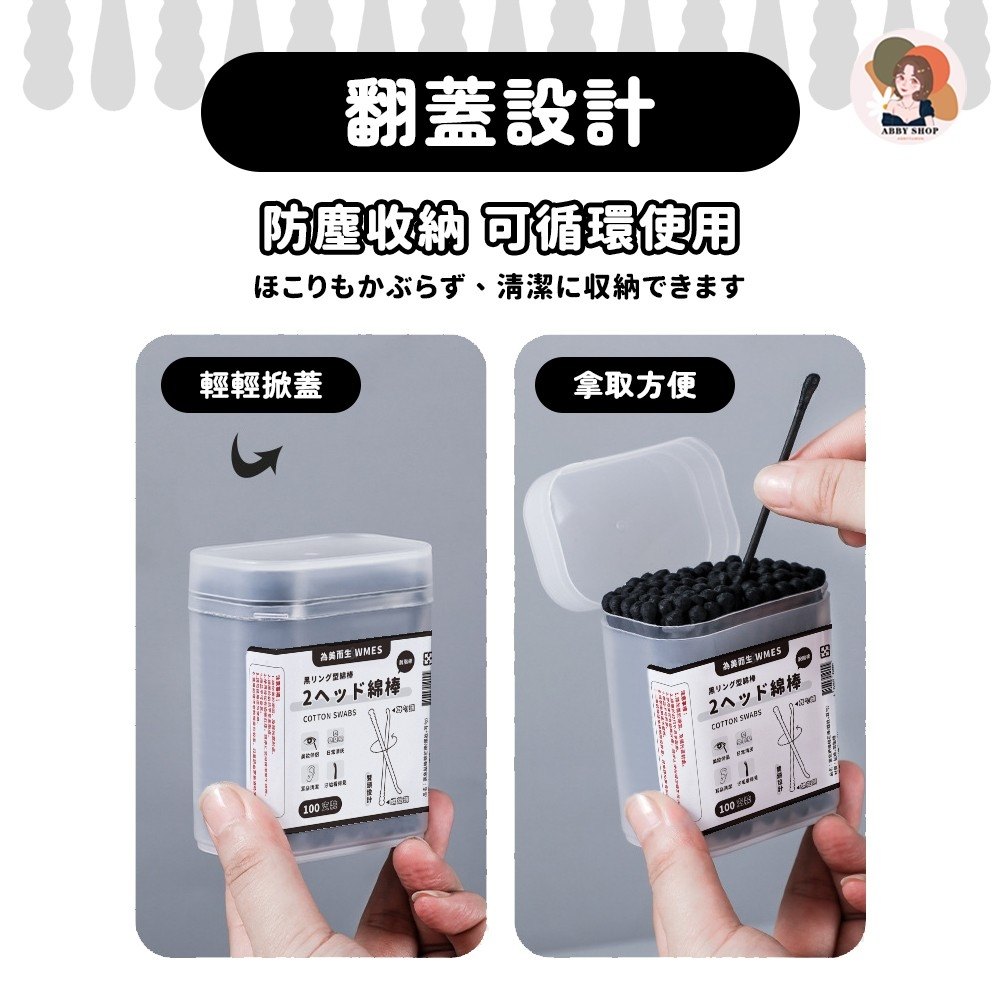
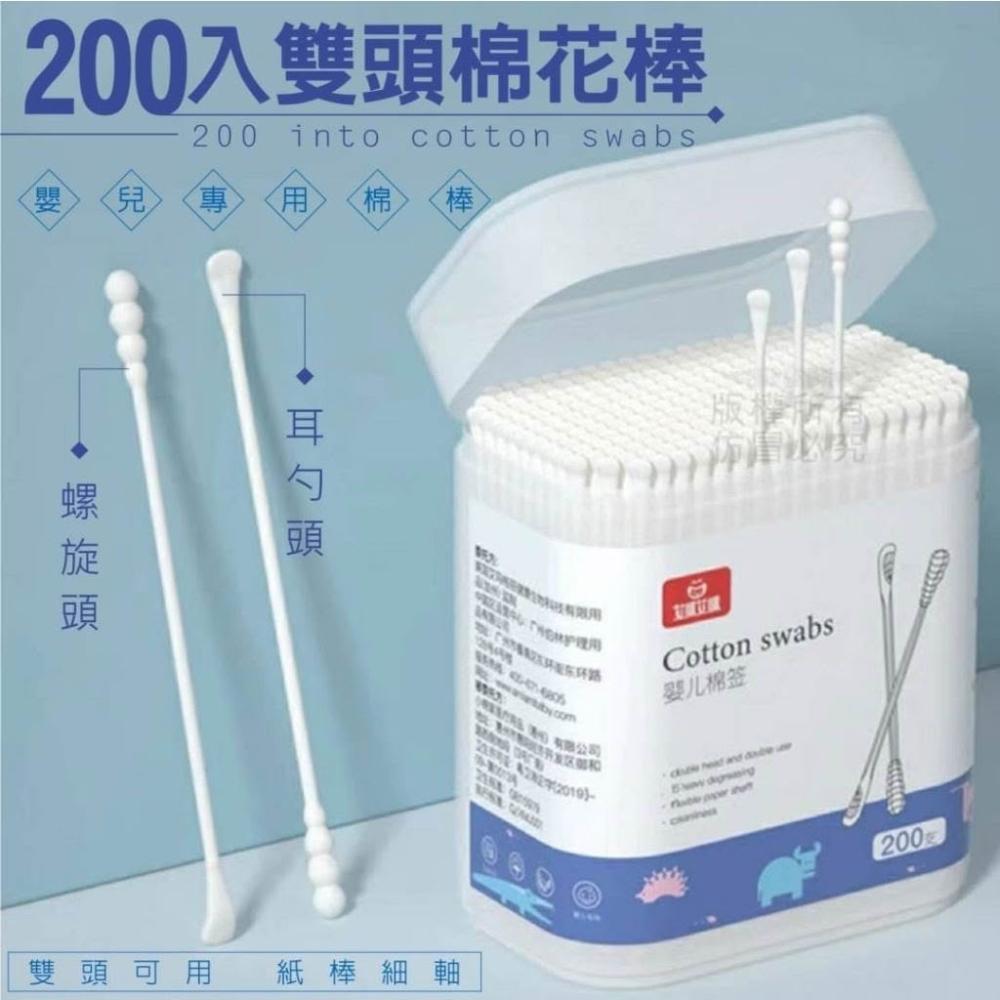
一般單頭棉花棒多半只能靠手感去調整角度;而耳勺端的造型更容易讓你「先對準再處理」。如果你常在盥洗時覺得角度難抓,雙頭設計通常會讓動作更一致。
螺旋棉頭的結構能增加接觸的穩定性。可以想像成「更會抓住輪廓」:當你輕輕貼合時,棉頭不容易只在單點滑動。這也是為什麼在邊角、弧度較明顯的區域,螺旋端常被用來做更細緻的輕擦。
雙頭棉籤把不同需求放在同一支工具裡:定位用耳勺端、貼合用螺旋端。一般棉花棒則可能需要你切換工具或改變操作方式,對於想要「流程更快、更省心」的人,雙頭設計會更友善。
雙頭耳勺螺旋 vs 一般棉花棒:一張表看懂
| 面向 | 耳勺螺旋兩用棉花棒 | 一般單頭棉花棒 |
| 角度對準 | 耳勺端更利於定位式輕觸 | 多靠手動調整角度 |
| 貼合感 | 螺旋端接觸更穩定、較貼輪廓 | 接觸多集中在棉頭單點 |
| 使用彈性 | 同一支完成定位+貼合 | 可能需要改用其他工具或調整方式 |
| 上手難度 | 依端點分工,上手更直覺 | 需要更多靠手感摸索 |
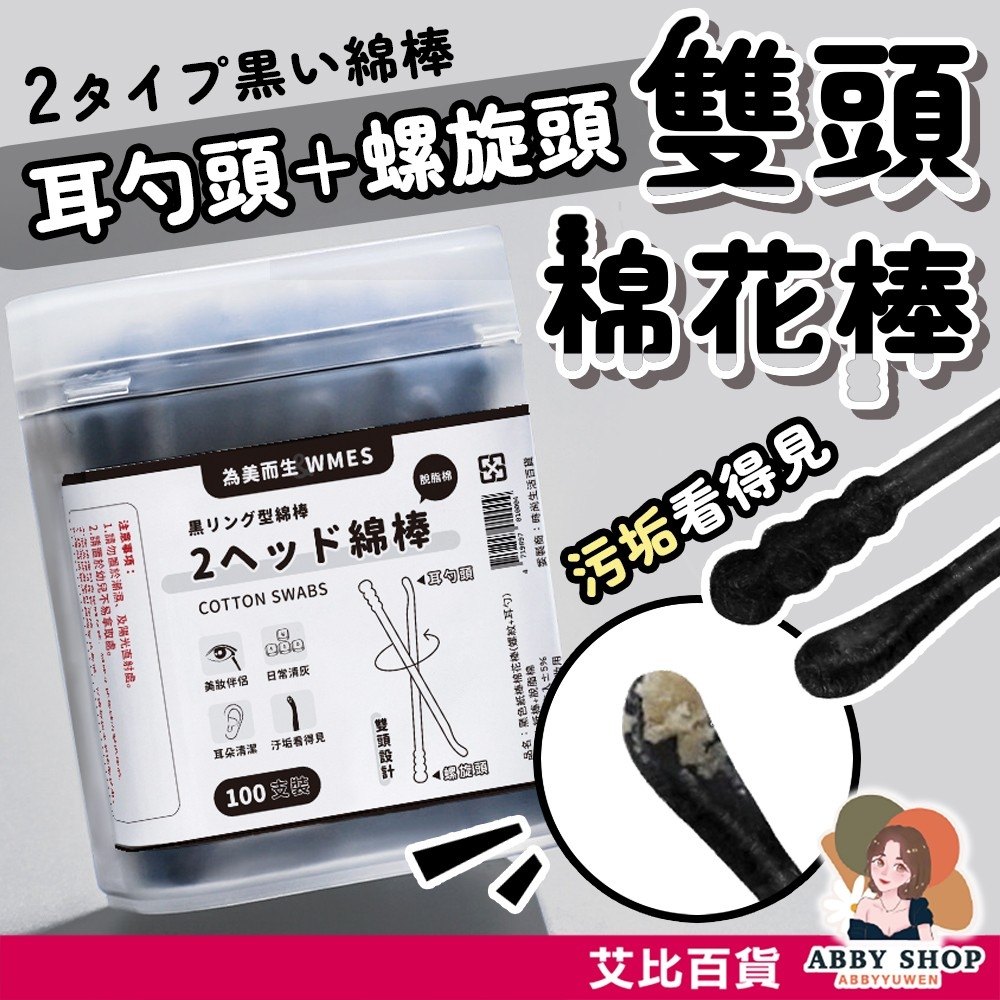
可以把棉花棒想成「工具的語言」。一般棉花棒只有一種語言(單一棉頭),你就得用手去翻譯;而雙頭設計等於提供兩種語言:耳勺端偏定位、螺旋端偏貼合。當你的動作與工具語言對上,體驗自然更一致。💡
FAQ
Q1:雙頭棉籤一定比一般棉花棒更乾淨嗎?
不一定。乾淨程度仍取決於使用方式與清潔需求。雙頭的優勢在於「更好控制角度與貼合」,讓你更容易做到你想要的清潔動作。
Q2:螺旋端會不會比較刺激?
刺激感通常與施力與摩擦有關。建議輕柔操作、避免過度摩擦;若有不適就停止並改用更溫和方式。
Q3:黑色棉籤有什麼差別嗎?
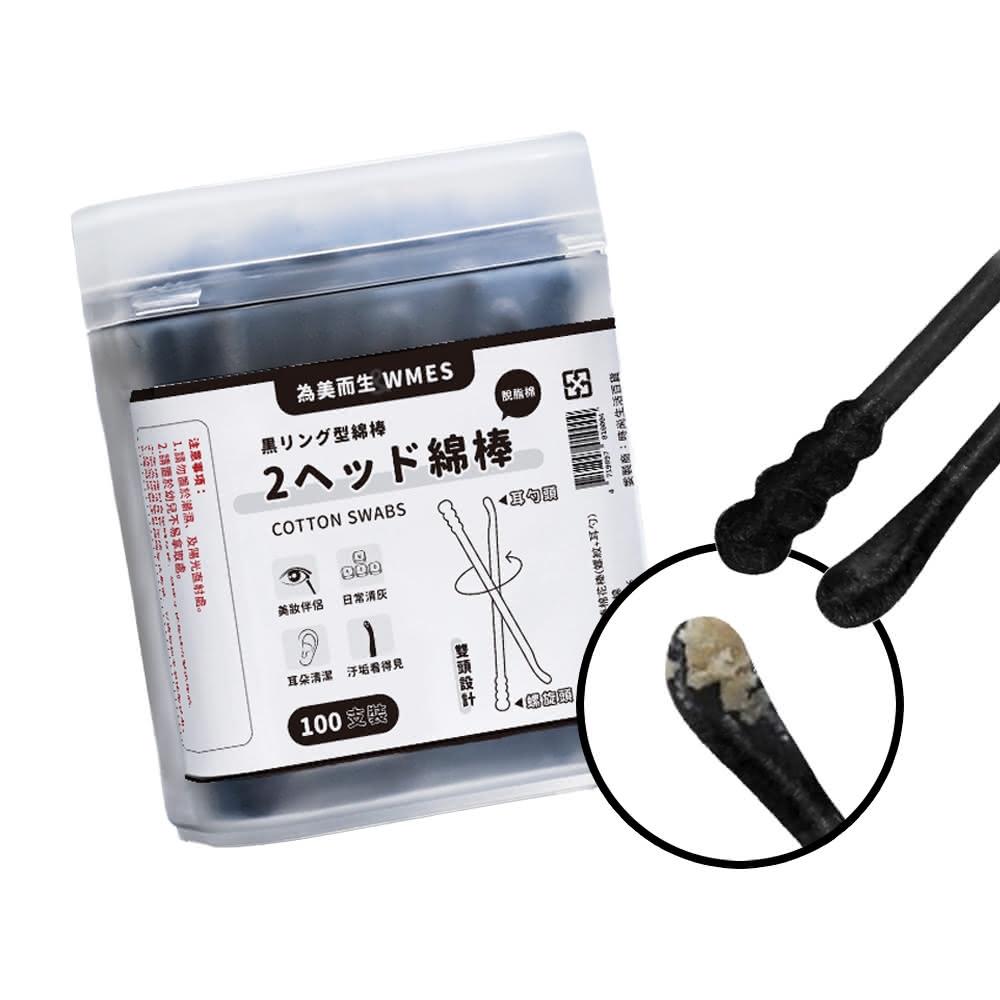
黑色外觀多半是視覺與辨識上的差異。實際使用體驗仍以棉頭觸感與貼合度為主。
怎麼選:給你一個生活判斷法
如果你常覺得「角度不好抓、需要反覆調整」,雙頭耳勺螺旋通常更符合你的需求;如果你只做非常單一的輕擦動作,一般棉花棒也可能足夠。你可以把這次比較當作選擇依據:選工具語言更貼近你日常動作的那一款。若你想延伸了解,也可以看看同類雙頭棉籤的規格與使用心得,找到最適合自己的手感。
📊 為什麼這類設計越來越常見
近年不少產品都朝向「降低變數」的方向設計,也就是讓使用者在不同環境下都能得到接近的結果。這也是為什麼某些功能會逐漸變成標準配置,而不是額外選項。
English Version
Ear Spoon Cotton Swab vs Regular Cotton Swab: What’s Different About the Spiral Double-Head Design?
If you’ve felt that regular cotton swabs are hard to angle or don’t conform well, the double-head ear spoon + spiral design may fit your routine better. This comparison breaks down where it tends to perform better, where it doesn’t, and how to choose based on your daily use. ⭐
Angle control: why the ear spoon end can feel easier
The ear spoon end is designed for more targeted, positioning-style touches. Compared with a single cotton head, it can make it easier to align your motion with the tool.
Contact and contour: what the spiral end changes
The spiral tip tends to provide steadier contact. In plain terms, it helps the cotton head follow curves more consistently, which is often why people feel it’s better for light wiping in detailed areas.
Mechanism in everyday language: tool “language” matching your motion
A double-head swab offers two functions in one tool: positioning and contouring. When your movement matches the design, the experience becomes more consistent.
FAQ: does it always clean better?
Not necessarily. Cleanliness still depends on technique and your specific needs. The advantage is usually better control and better contact, not magic results.