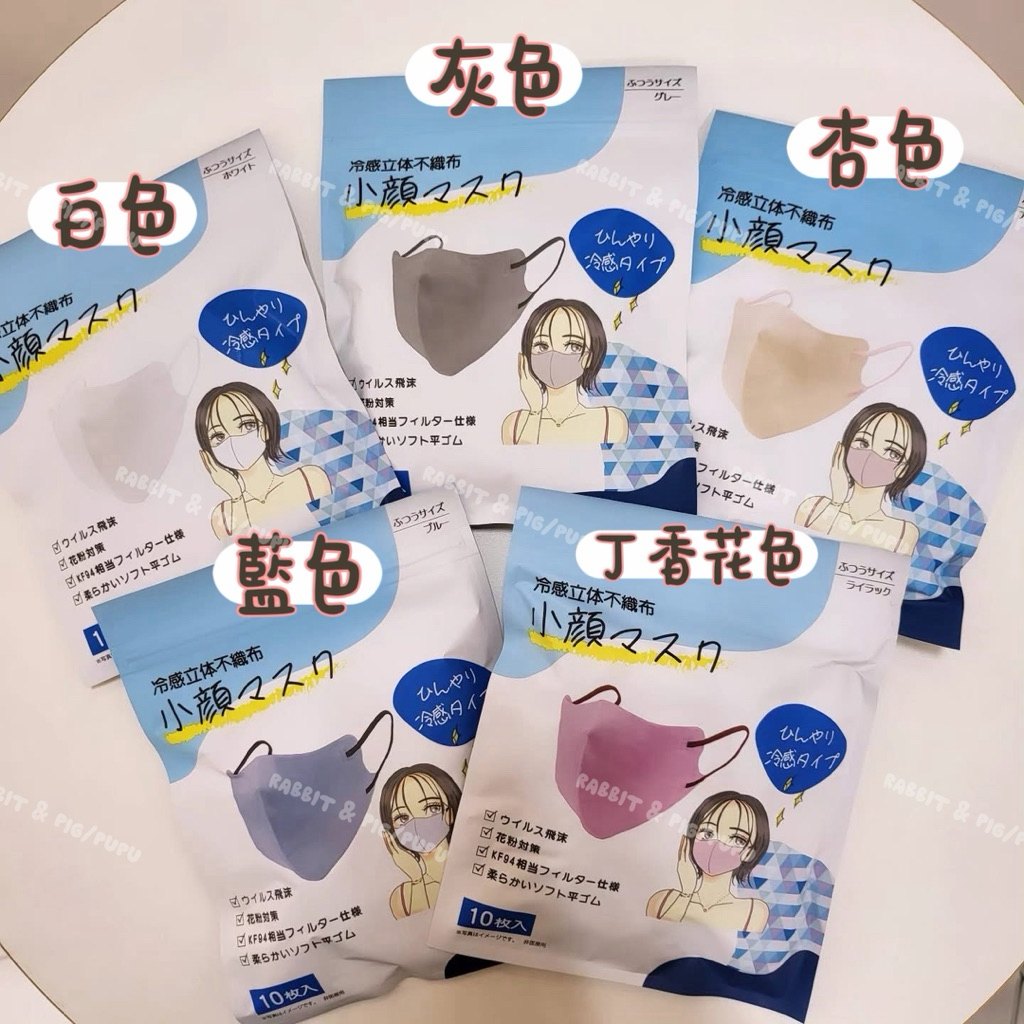
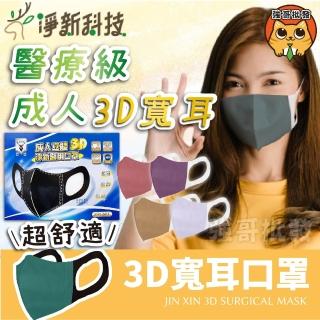
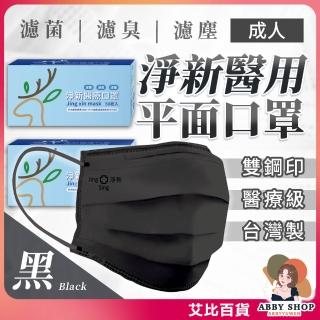
Japanese 3D Non-Woven “Small-Face” Mask vs Flat Non-Woven Masks: What’s the Real Difference?
Same non-woven material, but the experience can be totally different. This comparison focuses on fit, breath space, silhouette, and day-to-day convenience to help you decide whether the Japanese 3D non-woven small-face mask is the better match. ⭐
1) Fit & edge stability
A 3D cut tends to sit more smoothly along facial contours, reducing edge lifting and sliding compared with flat designs.
2) Breath space & reduced inward pressure
3D structure helps resist collapse, which can lower the “mask touching the nose/mouth” feeling during talking or commuting.
3) Visual silhouette (the small-face look)
When the mask maintains its shape and contour, the overall outline looks cleaner and more defined—often creating a subtle small-face effect.
4) FAQ to finalize your choice
If you already feel comfortable with a flat mask, you may not need to switch. But if you experience sagging, tightness, or uneven appearance, 3D is usually the practical upgrade.