Fish Oil for Beginners: 6 Key Label Checks (rTG, EPA+DHA, Certifications & Daily Serving)
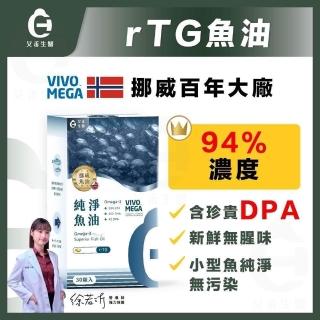
Not sure how to read fish oil labels? This beginner-friendly guide covers six key points—rTG form, EPA+DHA concentration, omega-3 content, purification, certifications, and daily serving—using the premium German rTG fish oil 2-pack as an example.
1) Start with the Form: What “rTG” Tells You
The form can reflect how the oil is processed and presented for utilization. rTG is often chosen for an absorption-focused expectation.
2) EPA + DHA Concentration: The “Effective” Part
EPA and DHA are the omega-3 components most people target. Look for concentration, not just generic “fish oil” wording.
3) Omega-3 Content, Purification, and Certifications
Omega-3 content, purification methods (e.g., supercritical purification), and third-party indicators like IFOS help you assess quality and consistency.
4) Daily Serving: Choose What You Can Stick With
A practical serving size (like daily 2 capsules) matters because consistency is what turns supplementation into a habit.