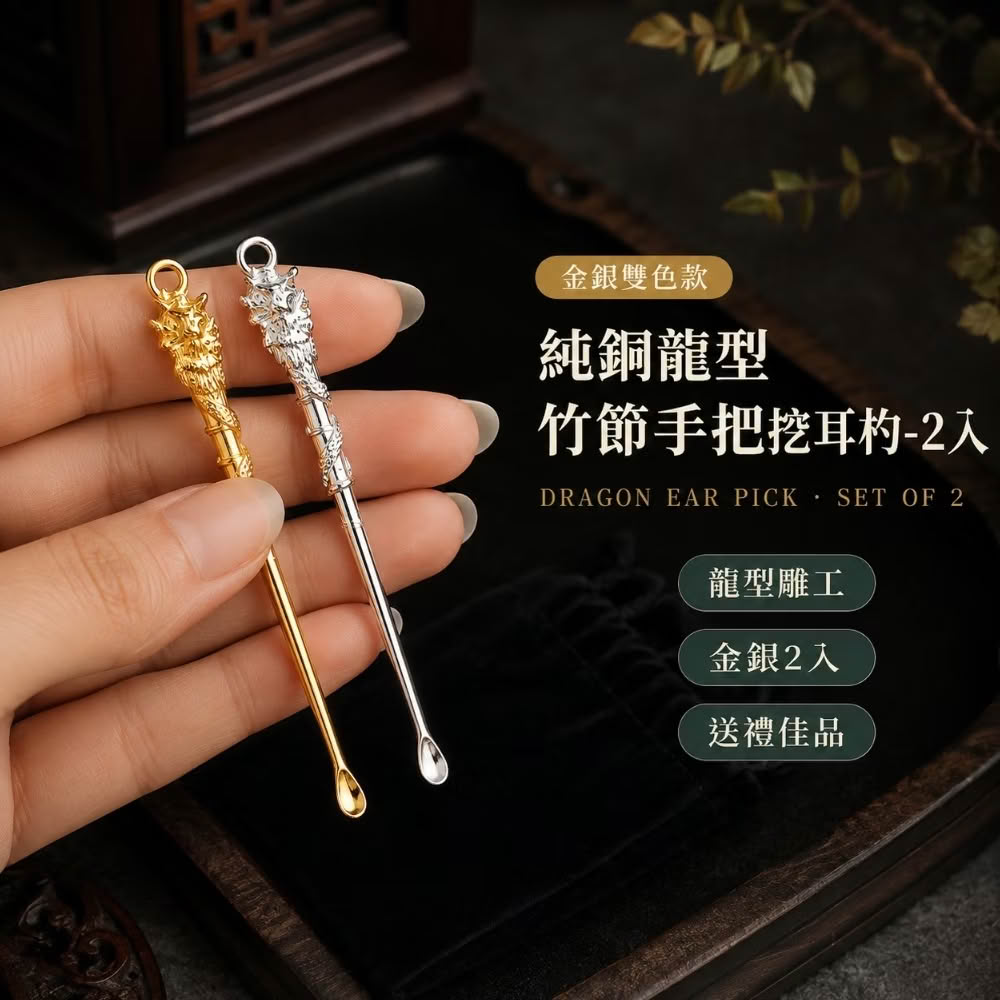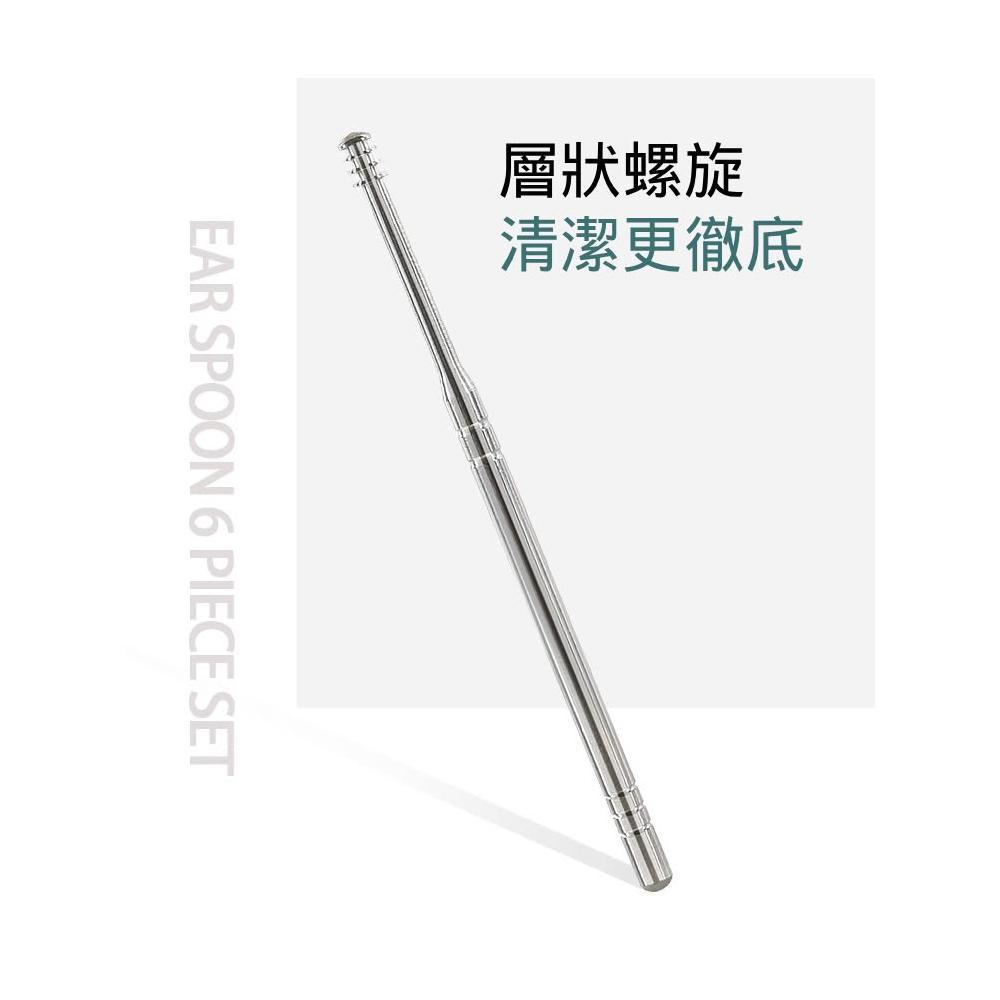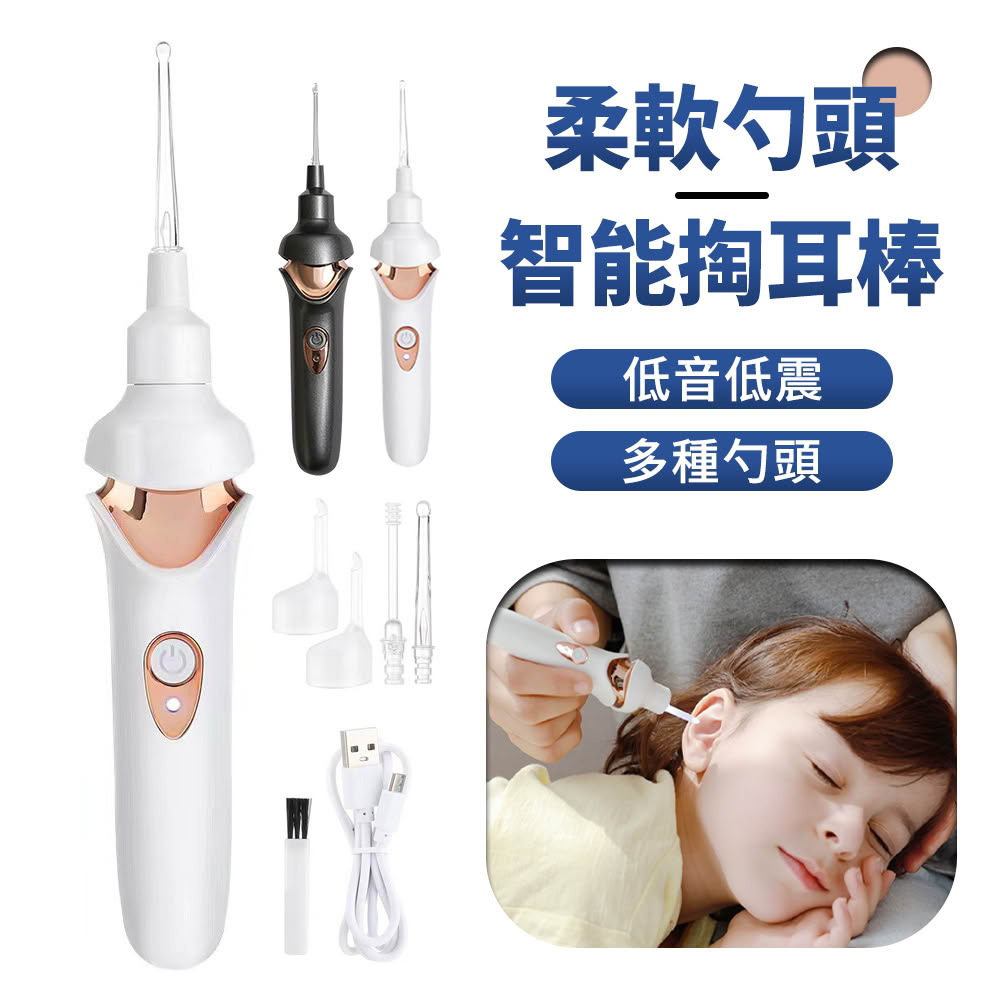
採耳工具套裝怎麼比?鵝毛棒、雞毛、挖打配件的差異與適用情境
你可能會發現:同一套採耳工具裡的配件看起來都能「用來掏」,但實際上它們的適用情境並不一樣。與其把所有配件都當成同一種工具,不如用「要處理的東西長什麼樣」來選。
下面我用生活情境做比較,讓你更容易選對。📌
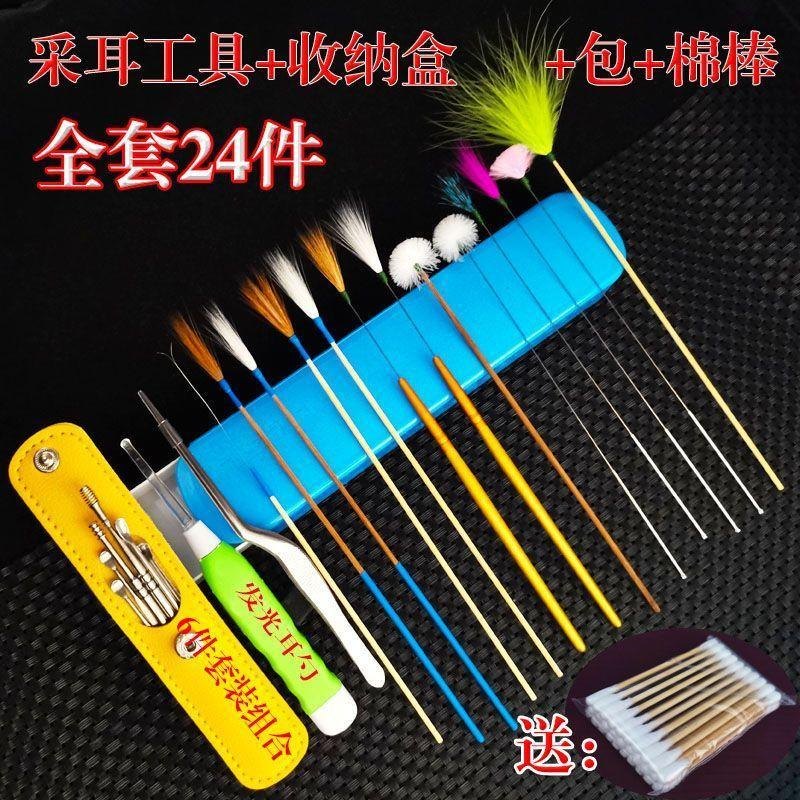
毛類配件更常用在外耳周圍的輕柔整理。
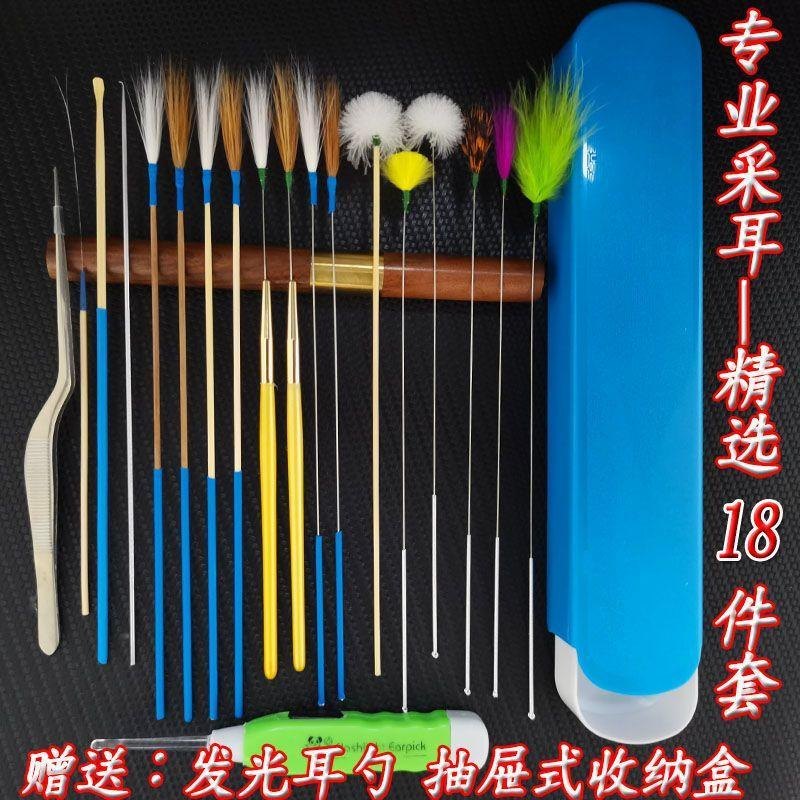
挖打/掏耳配件通常需要更保守的使用方式。
快速比較表:你該先用哪個?
| 配件類型 | 常見用途感受 | 適用情境(偏保守) |
|---|---|---|
| 鵝毛棒 | 輕柔拂動、帶走鬆散纖維 | 外耳周圍整理、日常清爽感 |
| 雞毛 | 較偏拂拭、細碎雜物處理 | 耳道口附近的輕微整理(不要追深) |
| 挖打/掏耳配件 | 需要更精細與更保守的輕觸 | 僅在你覺得有需要時、耳道口附近短距離處理 |
| 馬尾/鶴毛類 | 柔性拂動、搭配毛類整理流程 | 想要更溫和的日常整理步驟 |
註:目前資料未提供每個配件的材質硬度與尺寸細節,上表以「常見使用感受與適用方向」做整理,實際仍以商品說明為準。
簡單來說,耳朵周圍的雜物型態不同:毛絮類更像鬆散纖維,適合用柔和方式帶走;而需要更精細處理的狀況,通常更依賴短距離、低刺激的操作。當你用毛類去處理所有狀況,或用挖打配件去做拂拭,摩擦與不適的機率都會提高。
帶有依據感的選擇方式:用「反應」判斷你該停在哪
你不需要猜哪個配件最厲害,而是觀察身體反應。一般來說,覺得順、沒有刺痛或明顯不適時才繼續;一旦出現不舒服,就把動作停在更外側的位置,或直接結束這次清潔。
這種做法符合多數日常清潔的共同邏輯:越接近敏感區域,越要用低刺激、短時間的方式。
FAQ
Q1:我該先用鵝毛棒還是雞毛?
如果你只是想做日常整理,通常先從毛類配件開始更直覺。你可以依手感選一個最順手的先做輕拂,再視需要換配件。
Q2:挖打配件是不是一定要用?
不一定。很多時候外耳周圍的整理就足夠。若你沒有明確需要,建議把使用範圍控制在更保守的步驟。
Q3:如果我用完覺得不舒服怎麼辦?
停止使用並讓耳朵休息。若不適持續或有異常狀況,應尋求專業協助。
把比較變成選擇:你可以從這張表開始
當你下次拿起採耳工具套裝,不用再「每個都試一次」。你可以先用毛類配件完成外耳周圍整理,再依反應決定是否需要更精細的短距離處理。想確認你手上套裝的實際配件組合與細節,可以再回到商品頁查看完整規格。
📊 為什麼這類設計越來越常見
近年不少產品都朝向「降低變數」的方向設計,也就是讓使用者在不同環境下都能得到接近的結果。這也是為什麼某些功能會逐漸變成標準配置,而不是額外選項。
English Version
How to compare an ear pick tool set: goose-feather sticks, chicken-feather tools, and other tips
Within one ear pick tool set, different accessories are meant for different tasks. This comparison matches common home scenarios to the right accessory direction, with a quick table and practical stop rules.
1) Compare by task, not by “which one looks stronger”
Instead of treating every accessory the same, match the tool to the debris type and the target area. Feather-like tools are typically for gentle tidying around the outer ear and entrance area.
2) Quick reference table
Use a simple table to decide: goose-feather/chicken-feather and similar hair-like accessories for light sweeping; other tips for very limited, careful touches near the entrance only when needed.
3) Simple principle: why tool separation improves comfort
Different debris responds differently. Gentle sweeping reduces friction for loose fibers, while deeper or overly forceful actions can increase irritation. Tool “division of labor” helps keep the routine comfortable.
4) Decision rule: stop based on your body’s response
If you feel pain or clear discomfort, stop and keep the next attempt more conservative. This aligns with everyday hygiene logic: the closer you get to sensitive areas, the more you should reduce intensity and time.