底線老是打結、縫到一半就亂:縫紉機梭芯線的痛點解決流程(紫色多色小卷)✅
我最有感的挫折是:明明上面線看起來都正常,卻在縫到一半突然出現底線打結,整段作品只能拆掉重來。這種情況如果反覆發生,通常代表「供線與張力」在某個步驟不穩。
先別急著怪自己。你可以用三步驟排查:
① 線頭是否拉直、是否有小圈纏繞
② 梭芯是否裝到正確方向(供線路徑是否順)
③ 是否有在縫製過程中讓線頭被拉扯到阻力增加
帶有依據感的提醒:底線打結常見的根因是「供線阻力」造成張力波動。線材本身就算品質不錯,若線頭狀態不佳,仍可能在機器拉扯時形成結。
跳線與忽鬆忽緊通常跟張力與供線一致性有關。你可以先做廢布試縫,觀察底面是否出現線圈過大或過小。若你發現某個區段特別容易亂,往往代表那段供線路徑或線頭狀態在該處變得不順。
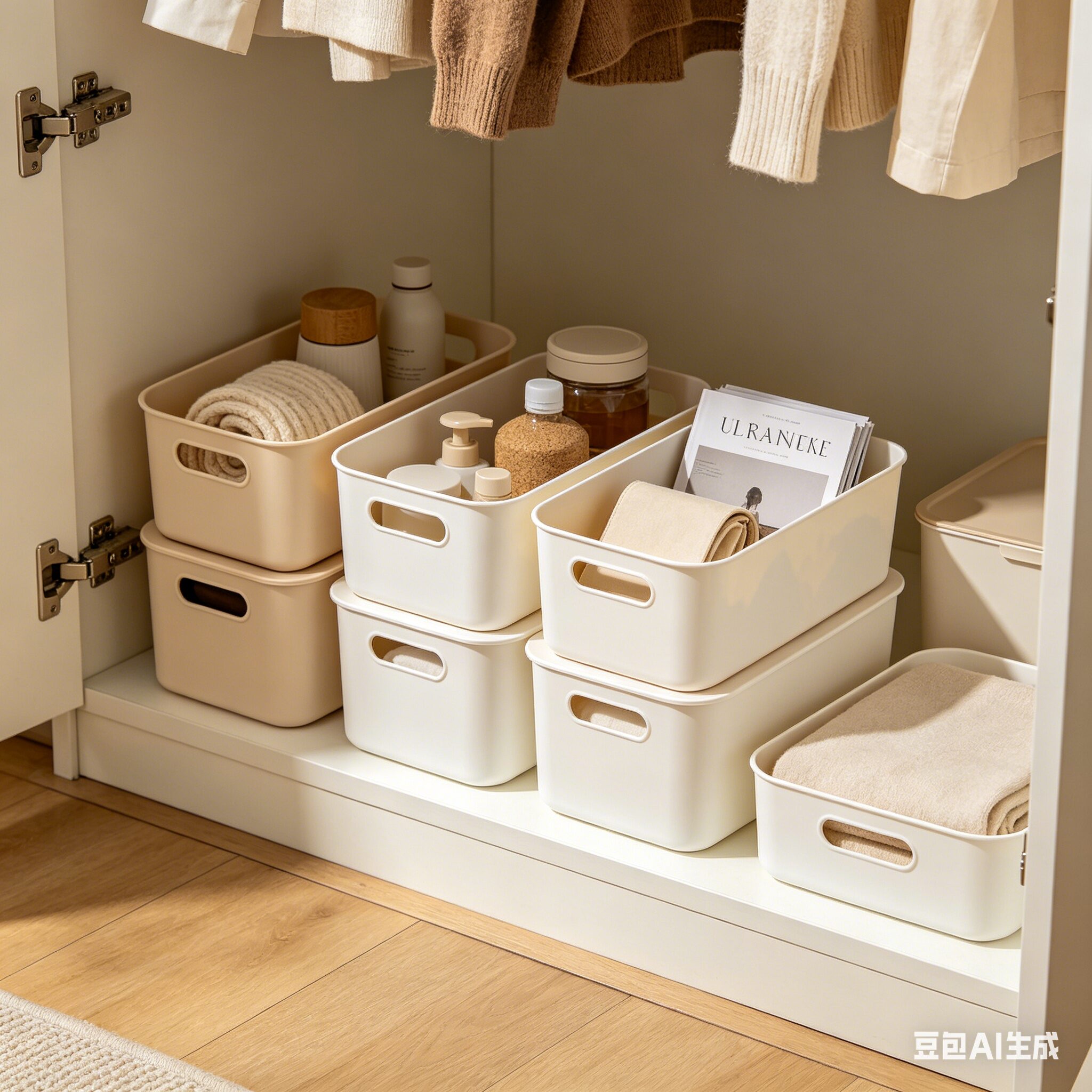
多色彩色小卷很方便,但也容易在換線時混到線頭。解法是:一次只取一卷、把用不到的先收起來;裝梭芯前先確認線頭沒有勾到其他線。
可以把梭芯線想成「會被機器持續拉動的細繩」。當線頭打結或纏繞,機器在拉動時就會遇到額外阻力,張力就會突然改變。張力一變,縫跡就容易出現局部亂線或打結。
所以你會看到很多縫紉經驗分享都強調:先把線頭拉直、確認供線方向,再開始縫。這不是玄學,是因為它直接影響供線阻力。
一套可以照做的「底線救援流程」
- 先停下來,不要硬縫到結更大。
- 把梭芯取出,檢查線頭是否有小圈或纏繞。
- 確認梭芯裝入方向與供線路徑順暢。
- 在廢布試縫 2~3 公分,觀察底面是否正常。
- 若仍不穩,才考慮調整張力或更換線材。
FAQ:你可能會問的 4 個問題
Q1:底線打結一定要換線嗎?
不一定。很多時候是線頭狀態或供線方向不一致。先做裝線檢查與試縫,通常能先排除大部分原因。
Q2:多色小卷會不會讓我更容易混用?
如果沒有分區收納,就容易。建議用同一套收納盒分色,並在取用時只拿一卷。
Q3:老式梭芯也適用這種底線處理方式嗎?
原理相同:供線阻力與張力波動仍是關鍵。老式梭芯更需要你確認裝線方向與線頭狀態。
Q4:手縫線能當作底線替代嗎?
不建議。手縫線與梭芯線的用途不同,供線方式也不同。要用平車時,還是以梭芯線用途為主更穩。
如果你有類似需求,可以進一步看看這類縫紉機梭芯線的規格與評價
當你已經把裝線流程與收納做對,仍遇到底線不穩,就值得再檢視線材與適用性。把「你家機型的梭芯類型」與「你常做的布料」對上去,通常更容易找到真正合適的解法。
📌 為什麼這類產品會有效?
一般來說,這類產品的設計原理是透過改善日常使用過程中的某些關鍵因素,例如減少空氣接觸、降低水分流失或優化使用流程。簡單來說,就是讓原本容易被忽略的小細節變得可控。
English Version
Fixing Bobbin Thread Problems: Tangling, Skipped Stitches, and Uneven Bottom Seams (Purple Multi-Color Spools) ✅
If your bobbin thread keeps tangling or the machine gets messy halfway through, it’s usually not your sewing skill—it’s often feeding and tension inconsistency. This article breaks down common causes, offers a practical troubleshooting workflow, and explains the principle behind why thread end handling matters.
Problem 1: Bobbin tangles like a zipper that suddenly jams
Start with a quick check: is the thread end straight or looped, is the bobbin installed in the correct direction, and did the thread get pulled in a way that increases resistance during sewing. Many tangling issues come from feeding resistance that causes tension to fluctuate.
Problem 2: Skipped stitches or uneven tension
Do a short test stitch on scrap fabric and observe the bottom. If one section is consistently worse, it often indicates a local feeding path issue or thread end behavior rather than a random defect.
Problem 3: Switching colors makes it worse (multi-color spool handling)
Multi-color spools are convenient, but mixing thread ends can happen. Take only one spool at a time, secure the thread end, and keep unused spools away to prevent accidental tangling.
The simple principle: why thread-end handling changes everything
Think of bobbin thread as a thin rope being pulled continuously. If the thread end is tangled, the machine meets extra resistance, and tension changes suddenly. That’s why straightening the thread end and confirming the feed path often improves stitch stability.
🛒 你可能會需要
Amazon 推薦