
English Version
How to Choose a Pediatric Amblyopia Patch? A Practical Guide for Strabismus and Occlusion Needs
Want more consistent wear for amblyopia therapy? This guide helps you choose a pediatric amblyopia patch by focusing on occlusion needs, fit stability, comfort, and daily usability—plus a quick FAQ and checklist.
Why the right occlusion patch matters for amblyopia therapy
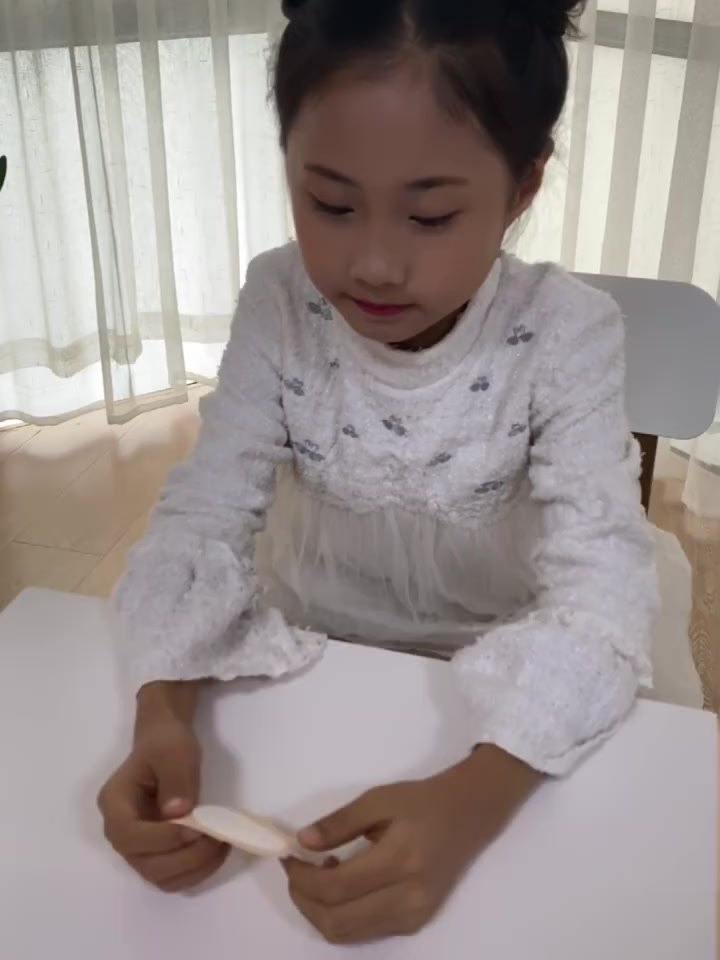
Many families don’t struggle with “whether to do it,” but with “how to keep the child wearing it.” A pediatric amblyopia patch should maintain reliable occlusion during daily movement, feel comfortable on the skin, and be easy to apply and remove—so the therapy can be practiced consistently.
Recommendation checklist: what to look for when shopping
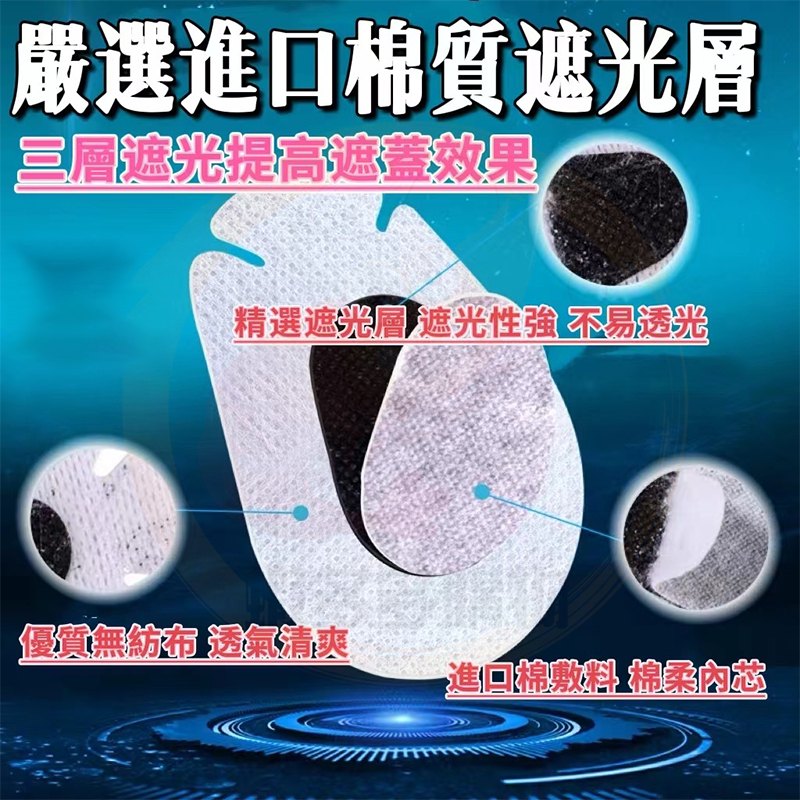
Start with the therapy goal (occluding the target eye), then evaluate: (1) sufficient coverage to reduce edge leakage, (2) stable adhesion/positioning during play, (3) skin-friendly comfort to reduce irritation, and (4) convenient handling for quick changes.
Match patch features to real-life scenarios
For active children, prioritize stability and edge control. For kids who resist wearing, comfort and gentle removal are key. Use the checklist table to decide what matters most for your child’s daily routine.
FAQ: common questions about pediatric amblyopia patches
If the patch slips, edges leak, the child becomes increasingly resistant, or skin reactions worsen, consult an eye care professional about adjusting the occlusion approach. Strabismus and amblyopia both rely on consistent occlusion—your clinician’s plan guides the wear schedule, while product selection focuses on fit and comfort.











![[不二創立]好蘋果酵CC 消化蘋果醋:外食族也能輕鬆補給的日常好選擇](https://easylifehub.net/wp-content/uploads/2026/04/01_ddd5e5cc2cd0-300x300.jpg)